




What's Happening?
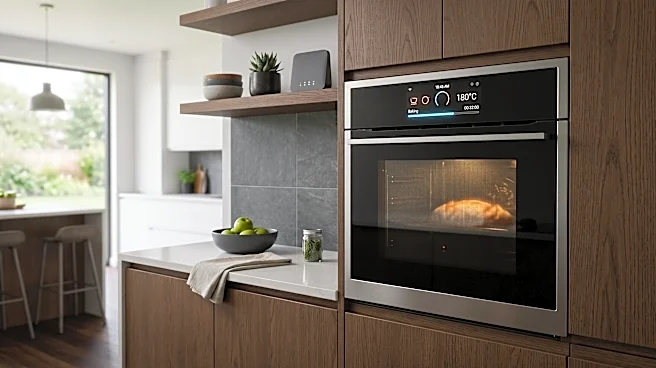
LG Electronics is implementing a strategy to integrate high-efficiency technology into a wider array of its home appliances, moving beyond just flagship models. This initiative aims to make energy-saving features more accessible across products such as
washing machines, dryers, refrigerators, and dishwashers. The company's decision comes as households increasingly seek methods to manage and reduce electricity costs. By democratizing access to energy-efficient features, LG Electronics is positioning efficiency as a key competitive factor in the appliance market. This move could significantly impact consumer choices, offering more options for those looking to lower their energy consumption without necessarily investing in premium-priced models. The expansion of this technology reflects a growing market demand for sustainable and cost-effective home solutions.
Why It's Important?
This expansion of high-efficiency technology by LG Electronics is important because it addresses a critical consumer need for reduced electricity costs and environmental sustainability. By making energy-saving features available in a broader range of appliances, LG is making energy efficiency more attainable for a larger segment of the population. This could lead to significant aggregate energy savings across U.S. households, contributing to lower utility bills for consumers and a reduced carbon footprint nationally. The move also intensifies competition within the appliance industry, potentially prompting other manufacturers to follow suit and integrate similar technologies into their standard offerings. This shift could accelerate the adoption of energy-efficient appliances, influencing manufacturing standards and consumer expectations for home electronics. Furthermore, it supports broader national goals for energy conservation and reduced reliance on traditional energy sources.
What's Next?
The expansion of LG's high-efficiency technology is likely to spur increased competition in the home appliance market, potentially leading other manufacturers to broaden their own energy-efficient offerings. Consumers can anticipate a wider selection of affordable, energy-saving appliances, making it easier to upgrade their homes for better efficiency. This trend could also influence policy discussions around energy efficiency standards for household goods, potentially leading to updated regulations or incentives for manufacturers and consumers. Over time, this could result in a significant reduction in residential energy consumption across the U.S., impacting utility providers and the overall energy grid. The focus on accessible efficiency may also drive innovation in smart home technologies that further optimize energy use.
Beyond the Headlines
The broader availability of energy-efficient appliances from manufacturers like LG Electronics has implications beyond immediate cost savings. It represents a cultural shift towards greater environmental consciousness and practical sustainability in everyday life. By making energy efficiency a standard rather than a luxury, it normalizes the expectation that household products should contribute to resource conservation. This could foster a more sustainable consumer culture, where purchasing decisions are increasingly influenced by a product's environmental impact and long-term operational costs. Furthermore, it highlights the role of corporate responsibility in driving societal change, demonstrating how large companies can leverage their market position to promote eco-friendly practices and contribute to national energy independence goals.