







What's Happening?
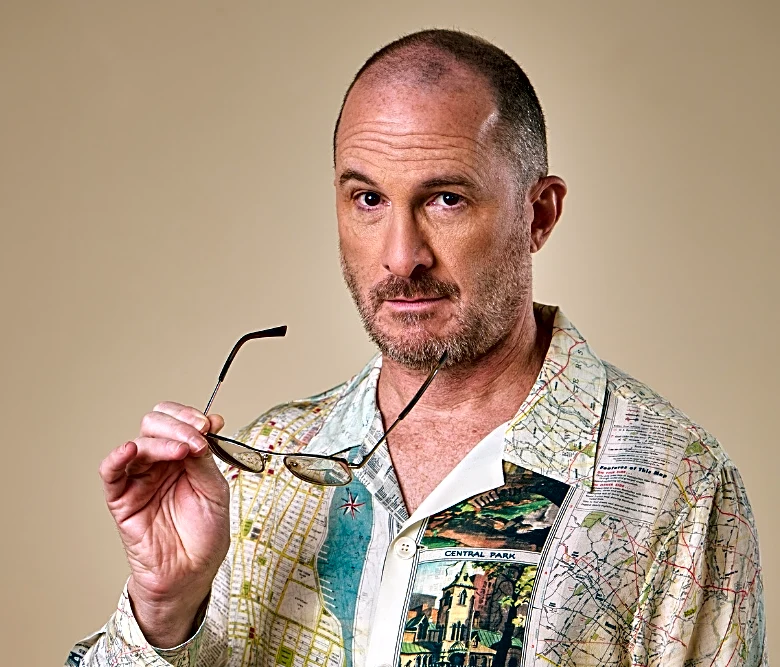
Filmmaker Rian Johnson and cinematographer Steve Yedlin, known for their work on films like 'Knives Out' and 'Glass Onion,' have released a new iPhone camera app called Chromagraph Camera. The app, developed in collaboration with color science coder Eric
Cameron, aims to provide filmmakers with advanced image processing capabilities on their mobile devices. Currently, the app is designed for still photography and allows users to bypass the iPhone's native image processing, instead applying the same color science used in Johnson and Yedlin's feature films. This enables users to capture raw sensor data and fine-tune images within the app using tools for color, exposure, grain, and halation before exporting them. Johnson stated that the app was initially created for his personal use due to his frequent phone photography, and they decided to make it publicly available. The app is currently exclusive to iPhone due to hardware consistency across Apple devices, which simplifies development for their small team.
Why It's Important?
The launch of the Chromagraph Camera app is significant for the filmmaking community, particularly for independent creators and those utilizing mobile technology in their productions. By offering feature-film-level color science and raw data capture, the app addresses a common frustration among filmmakers regarding the aggressive sharpening and tone mapping often applied by default in smartphone cameras. This tool provides greater control over the visual aesthetic of mobile-captured images, allowing for a more cinematic look that can emulate traditional film. It democratizes access to professional-grade image processing, potentially lowering barriers for aspiring filmmakers and enabling more sophisticated pre-visualization and location scouting. The app's ability to apply proprietary color transform algorithms directly to RAW data means that mobile photography can now more closely align with the visual standards of professional cinema, impacting how visual references and preliminary shoots are conducted in the industry.
What's Next?
While the Chromagraph Camera app currently focuses on still photography, there is potential for future development to include video capabilities, though this would likely be limited to newer, professional-model iPhones. The app's initial release as a stills-only tool suggests a phased approach to its evolution. Filmmakers and enthusiasts are encouraged to adopt the app early to familiarize themselves with its functionalities and provide feedback, which could influence future updates and feature expansions. The success and adoption rate of Chromagraph Camera could also inspire other professional filmmakers and cinematographers to develop similar tools, further enhancing the capabilities of mobile filmmaking. The app's impact on pre-production workflows, particularly in location scouting and visual reference gathering, is expected to grow as more professionals integrate it into their creative processes.
Beyond the Headlines
The introduction of Chromagraph Camera highlights a broader trend in the film industry: the increasing integration of mobile technology into professional workflows. This app blurs the lines between consumer-grade mobile photography and professional cinematography, challenging traditional notions of what constitutes a 'professional' camera. It underscores the growing importance of color science and image processing in achieving a desired visual style, even at the initial capture stage. Ethically, it raises questions about accessibility and the democratization of filmmaking tools, potentially empowering a wider range of voices to create high-quality visual content. Culturally, it reflects a shift towards more agile and adaptable production methods, where high-end visual fidelity can be achieved with readily available technology. This development could also influence film education, with greater emphasis placed on understanding and manipulating digital image pipelines from the ground up.