







What's Happening?
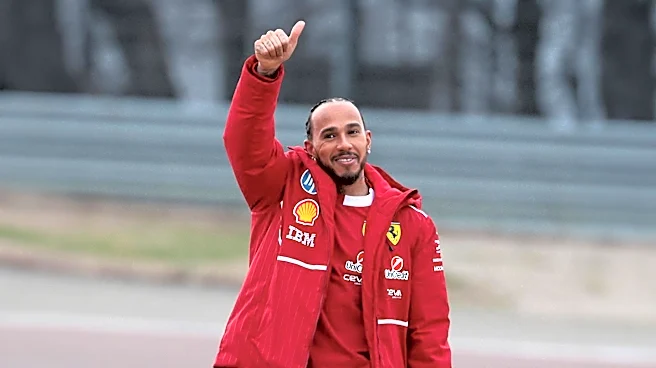
Lewis Hamilton has voiced suspicions regarding the qualifying pace of Ferrari's rivals, suggesting they might be holding back during practice sessions before unleashing their full potential in qualifying. This observation came after the United States
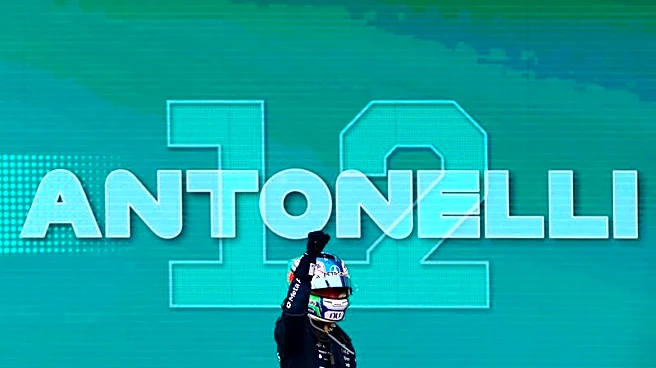
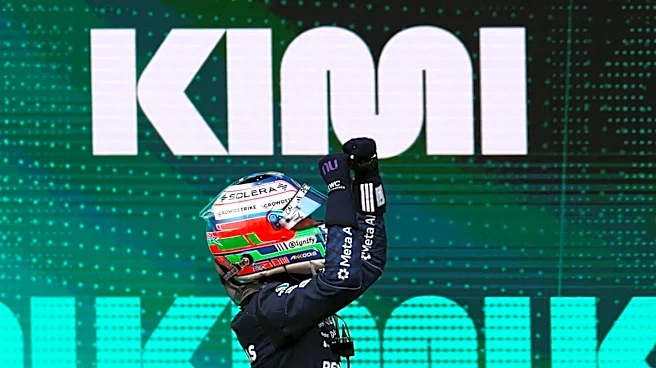
Grand Prix, where Ferrari topped all three practice sessions but saw Charles Leclerc and Hamilton qualify fourth and fifth, respectively, in Q3. Hamilton noted a significant jump in speed from competitors like Kimi Antonelli, whose top speed increased by 4 km/h between FP3 and Q3. He expressed frustration that Ferrari's car, which felt competitive in practice, seemed to lose ground in Q3, attributing it partly to a power deficit compared to Mercedes and Red Bull.
Why It's Important?
Hamilton's comments highlight a recurring strategic debate in Formula 1: the practice of 'sandbagging' or intentionally underperforming in practice to conceal true pace. If rivals are indeed holding back, it creates a distorted picture of competitive balance, potentially influencing team strategies, driver confidence, and fan expectations. For Ferrari, this perceived discrepancy between practice and qualifying performance could indicate underlying issues with their car's one-lap pace or their approach to maximizing performance at critical moments. Understanding and addressing this gap is crucial for Ferrari to consistently challenge for pole positions and race wins, impacting their championship aspirations and overall standing in the sport.
What's Next?
The suspicions raised by Hamilton and echoed by former Haas F1 team principal Guenther Steiner will likely prompt closer scrutiny of practice and qualifying data across all teams. Ferrari will need to analyze whether their rivals are genuinely sandbagging or if there are specific areas where their car's performance drops off in qualifying compared to practice. This could lead to adjustments in their car setup, engine modes, or strategic approach for future race weekends. The ongoing debate will also influence how teams manage expectations and communicate their performance to the public, as the perception of holding back can be a psychological tool in the highly competitive world of Formula 1.
Beyond the Headlines
This situation touches upon the psychological warfare inherent in elite sports. Teams and drivers constantly try to gain a mental edge, and managing perceptions of performance is part of that. The idea of 'showing your hand too early' in practice versus surprising rivals in qualifying or the race reflects a deeper strategic game. It also raises questions about the transparency and fairness of competition if teams are deliberately obscuring their true capabilities. For fans, it adds another layer of intrigue, as they try to decipher genuine performance from strategic maneuvering, making every session a potential chess match beyond just raw speed.