




What's Happening?
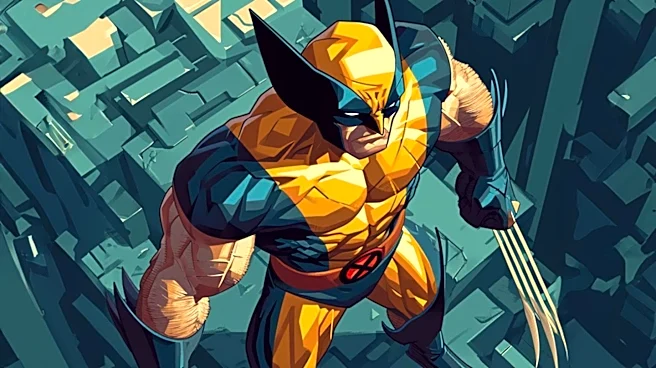
Insomniac, the developer behind the upcoming game Marvel's Wolverine, has publicly denied using generative AI in its development. This denial comes after fans on social media circulated screenshots of a peculiar restroom sign within the game, leading
to speculation that it was an AI-generated asset. James Stevenson, the community director for Insomniac, addressed the rumors on X/Twitter, stating that the unusual appearance of the sign was due to a 'UV map bug' and not generative AI. He further clarified that there are no AI-generated assets in Marvel's Wolverine. This incident highlights ongoing discussions and concerns within the gaming community regarding the integration of AI in game development, particularly concerning asset creation. The developer has indicated that a fix for the bug is in progress.
Why It's Important?
This incident is important as it reflects the growing scrutiny and skepticism from the public and gaming community regarding the use of generative AI in creative industries. The rapid advancement of AI technology has led to both excitement and apprehension, particularly concerning its potential impact on artistic integrity, job displacement, and intellectual property. Insomniac's swift denial underscores the sensitivity surrounding this topic and the potential for negative public perception if a company is perceived to be using AI in ways that compromise quality or ethical standards. For the U.S. gaming industry, transparency about development practices, especially concerning AI, is becoming increasingly crucial for maintaining consumer trust and managing expectations. The community's quick identification of a perceived AI-generated asset, even if incorrect, demonstrates a heightened awareness and a demand for clarity from developers.
What's Next?
Insomniac has stated that a fix for the 'UV map bug' affecting the restroom sign in Marvel's Wolverine is forthcoming. This will likely involve a patch or update to the game before or shortly after its release. The company will likely continue to monitor public sentiment and engage in transparent communication regarding its development processes, especially concerning any future integration of AI technologies. Other game developers in the U.S. and globally may take note of this incident, potentially leading to more proactive communication strategies about their use of AI to preempt similar speculation. The broader conversation about AI in game development is expected to continue, with ongoing debates about its ethical implications, creative applications, and impact on the industry's workforce.
Beyond the Headlines
Beyond the immediate technical explanation, this event touches upon deeper implications regarding the evolving relationship between technology, art, and public perception. The quick assumption by fans that the 'weird' sign was AI-generated suggests a growing public awareness, and perhaps a distrust, of AI's current capabilities in creative fields. It also highlights the challenge for developers to maintain authenticity and artistic control in an era where AI tools are becoming more sophisticated and accessible. The incident could contribute to a broader industry trend where developers feel compelled to explicitly state their AI policies or even avoid certain AI applications to preserve their brand image and creative integrity. This situation serves as a micro-example of the larger societal discourse around AI's role in creative endeavors and the ongoing negotiation of its boundaries.