





What's Happening?
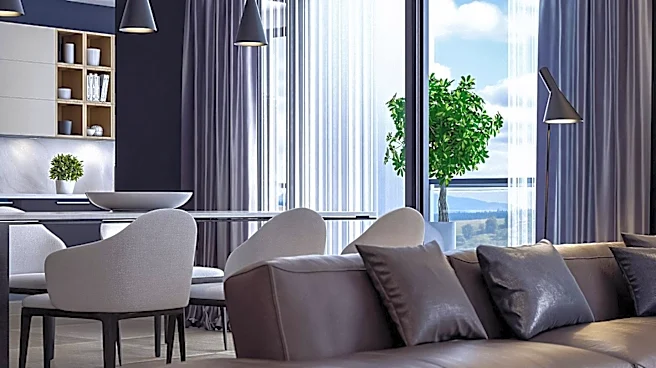
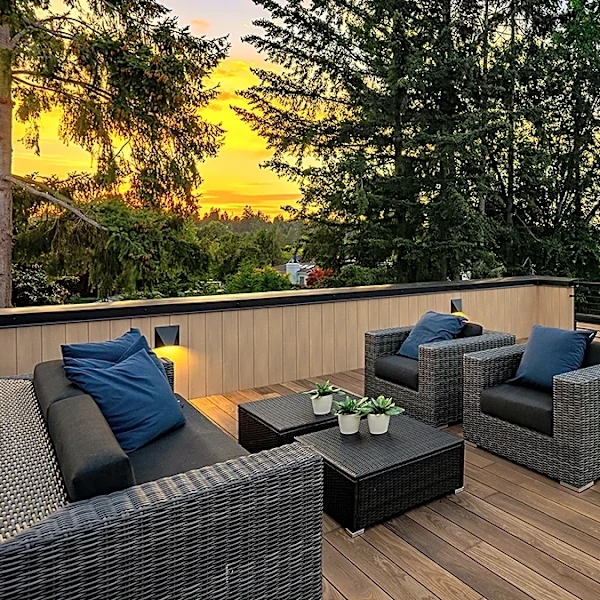
MAA Optimist Park in Charlotte, North Carolina, is providing luxury apartment and townhome options for individuals seeking an urban retreat. The development offers a range of living spaces, from studios to three-bedroom units, with rents starting at $1,323
and going up to $4,338. These residences are designed to offer an ideal setting for modern urban living. The leasing information details various fees, including an $85 application fee per applicant, a $250 processing fee upon approval, and a security deposit of $150. Monthly recurring fees include a community fee of $18, package management at $23, valet trash service for $16, and a utility admin fee of $3.75. Optional fees cover pet fees ranging from $400 to $550 and pet rent from $20 to $40 per month. Additionally, residents can opt for parking starting at $50 per month and storage space from $10 per month. Office rental space is also available, priced between $250 and $400 per month. The property also offers a 'sMAArt Savings' program as an alternative to the security deposit, allowing residents to pay a one-time, non-refundable fee for half the cost of the normal deposit, though this program may vary by community.
Why It's Important?
The introduction of luxury urban retreats like MAA Optimist Park in Charlotte, NC, signifies a growing trend in the U.S. real estate market towards high-end, amenity-rich living spaces designed to cater to a discerning urban demographic. This development reflects a broader economic shift where urban centers are increasingly becoming hubs for both work and leisure, driving demand for sophisticated residential options. The pricing structure, ranging from $1,323 to $4,338, indicates a premium market segment, suggesting that a significant portion of the population is willing to invest in convenience, modern design, and comprehensive services. The inclusion of various fees, both mandatory and optional, highlights the complex financial landscape of luxury rentals, which can impact affordability and accessibility for different income brackets. The 'sMAArt Savings' program, while offering an alternative to traditional security deposits, also points to innovative financial models being adopted by developers to attract tenants, potentially lowering initial move-in costs but possibly introducing other long-term financial commitments. This trend could influence urban planning and development strategies in other U.S. cities, as developers seek to replicate successful models of integrated urban living.
What's Next?
The continued success and expansion of developments like MAA Optimist Park could lead to further investment in luxury urban living projects across other growing U.S. cities. Developers may increasingly focus on incorporating a wider array of amenities and services to meet evolving consumer demands, such as enhanced smart home technologies, co-working spaces, and personalized concierge services. The 'sMAArt Savings' program, if proven effective in attracting tenants, might become a more widespread practice in the rental market, potentially altering how security deposits are managed and perceived. Local governments and urban planners might also observe the impact of such developments on city infrastructure, public services, and the overall housing market, potentially leading to policy adjustments related to zoning, affordable housing initiatives, and urban revitalization efforts. The competitive landscape among luxury urban retreats is likely to intensify, prompting continuous innovation in design, services, and pricing strategies to attract and retain residents. Future developments may also explore more sustainable and eco-friendly building practices to appeal to environmentally conscious consumers.
Beyond the Headlines
The rise of urban retreats like MAA Optimist Park reflects a deeper societal shift towards prioritizing convenience, community, and a curated lifestyle within urban environments. This trend goes beyond mere housing, indicating a desire for integrated living experiences where work, leisure, and social activities are seamlessly intertwined. The emphasis on luxury and extensive amenities suggests a growing segment of the population seeking to optimize their daily lives by minimizing commutes and maximizing access to services. However, this also raises questions about urban gentrification and the increasing divide between luxury and affordable housing options in major U.S. cities. The focus on 'remote living' in some urban retreat concepts highlights the lasting impact of the pandemic on work culture, with more individuals seeking residences that can comfortably accommodate both professional and personal needs. This evolution in urban living could reshape social dynamics, local economies, and the very fabric of city life, fostering communities that are highly connected within their immediate environment but potentially more insulated from broader urban challenges.