






What's Happening?
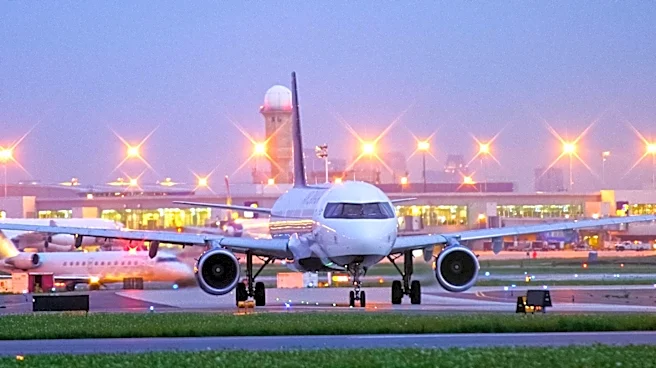
Latham & Watkins represented American Airlines in its approximately $100 million investment in Brazilian airline Azul. This transaction is part of a series of Latin American deals where various law firms are advising on significant mergers and acquisitions.
Other notable deals include Willkie advising America International Group on its acquisition of Everest Compañía de Seguros Generales Chile S.A., Skadden advising Bermuda-based GP Investments on an investment in US-based Zevia PBC, and Simpson Thacher representing iFood.com in its agreement to acquire Caju Holding do Brasil Ltda. Additionally, White & Case advised Clip on its acquisition of Pulpos, and DLA Piper advised Telecentro on its acquisition of iPlan. Skadden also advised Alicorp in the closing of its purchase of Flora Food Group’s Latin America business. These activities highlight a dynamic period for cross-border investments and acquisitions involving U.S. and Latin American entities.
Why It's Important?
This investment by American Airlines into Azul signifies a strategic move to strengthen its presence and competitive position in the Latin American aviation market. Such cross-border investments can lead to enhanced route networks, increased market share, and improved operational efficiencies for the involved airlines. For American Airlines, this could mean better access to the growing Brazilian market and potentially more seamless travel options for passengers. The broader trend of U.S. firms investing in Latin American companies, as evidenced by the other deals mentioned, indicates a growing confidence in the economic potential of the region. This can foster economic growth, create jobs, and facilitate technological transfer, benefiting both the investing and recipient countries. However, it also introduces complexities related to regulatory compliance, market integration, and potential impacts on local competition.
What's Next?
The integration of American Airlines' investment with Azul will likely lead to operational adjustments and strategic collaborations between the two airlines. This could involve code-sharing agreements, loyalty program alignments, and coordinated flight schedules to maximize synergies. The success of this partnership could influence future investment decisions by other major U.S. airlines looking to expand their international footprint. Furthermore, the ongoing trend of U.S. companies engaging in M&A activities in Latin America suggests continued legal and financial advisory demand in the region. Future developments will likely focus on the realization of anticipated benefits from these investments and how they navigate the evolving economic and regulatory landscapes in both the U.S. and Latin American markets.
Beyond the Headlines
The increasing flow of U.S. capital into Latin American businesses, particularly in sectors like aviation, fintech, and telecommunications, reflects a broader geopolitical and economic realignment. This trend can be seen as an effort by U.S. companies to diversify their global portfolios and tap into emerging markets with significant growth potential. Beyond the immediate financial implications, these investments can foster deeper economic ties between the U.S. and Latin American nations, potentially influencing trade policies and diplomatic relations. However, such cross-border transactions also raise questions about market concentration, the impact on local businesses, and the equitable distribution of economic benefits. The role of international law firms like Latham & Watkins in facilitating these complex deals underscores the intricate legal frameworks governing global commerce and the need for specialized expertise in navigating diverse regulatory environments.