








What's Happening?
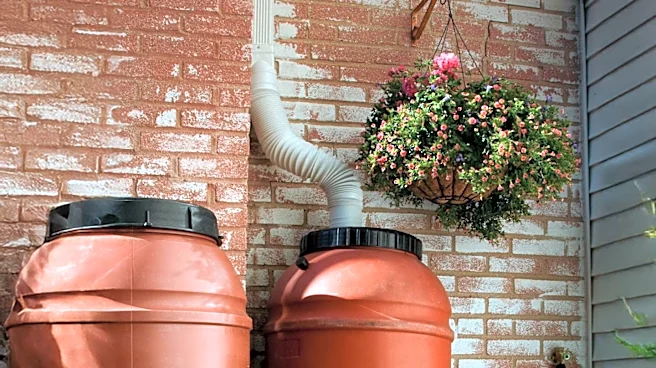
The Los Angeles Times is providing guidance to home gardeners on effectively capturing rainwater, particularly in anticipation of increased rainfall due to El Niño. Tahereh Sheerazie, lead gardener at Pasadena’s Arlington Garden, recommends observing
rain patterns to identify where water pools and flows in a garden. This observation period, ideally throughout a rainy season, is crucial before designing and constructing swales. Swales are slope-sided channels designed to soak up rainwater, manage runoff, and prevent erosion. Sheerazie emphasizes that swales can vary in form and size, and even a few small ones in a standard-sized, relatively flat yard can significantly slow down water. For home gardeners, she suggests digging swales at least a foot deep and a few feet wide in areas where water has historically pooled. The article highlights the importance of patience in this process, noting that while a rainy year might seem like a missed opportunity if infrastructure isn't in place, the long-term benefits of prepared infrastructure for future heavy rains are substantial. The goal is to maximize the use of water supplied by the earth, with Sheerazie also pointing out the fire suppression benefits of well-hydrated soil.
Why It's Important?
This guidance is important for U.S. homeowners, particularly in regions prone to drought or facing water management challenges, as it promotes sustainable landscaping practices. By encouraging the capture and retention of rainwater, the initiative helps conserve a vital natural resource, reducing reliance on municipal water supplies for irrigation. This can lead to lower water bills for homeowners and alleviate strain on local water infrastructure. Furthermore, effective rainwater management through swales can mitigate issues like soil erosion and runoff, which can damage property and contribute to water pollution. The mention of fire suppression benefits underscores a critical aspect for areas susceptible to wildfires, as well-hydrated soil can act as a natural barrier. The long-term perspective on building infrastructure for future rain events highlights a proactive approach to climate variability, preparing communities for both periods of heavy rainfall and subsequent dry spells. This shift towards permaculture principles in urban and suburban settings can foster more resilient and environmentally friendly landscapes.
What's Next?
Gardeners are advised to use the current rainy season to observe and document water flow and pooling in their yards, rather than immediately constructing swales. This observational phase will inform the strategic placement and design of swales. October is identified as an ideal month for swale building, suggesting that planning and preparation should occur now for construction in the coming years. The article also mentions upcoming plant-related activities and events in Southern California, including plant sales and workshops on natural native dyes and California orchids, which could complement swale implementation by providing suitable plant species. These events offer opportunities for community engagement and education on sustainable gardening practices. The broader implication is a continued emphasis on water conservation and ecological resilience in landscaping, with potential for more homeowners to adopt similar strategies in response to changing climate patterns and water availability concerns.
Beyond the Headlines
Beyond the immediate benefits of water conservation and erosion control, the adoption of swale systems and rainwater harvesting reflects a deeper cultural shift towards ecological stewardship and self-sufficiency in urban environments. This approach encourages a more intimate understanding of local ecosystems and natural processes, moving away from conventional landscaping that often relies on external inputs and ignores natural water cycles. The emphasis on observing and planning before acting fosters a mindful connection between individuals and their immediate environment. Ethically, it promotes responsible resource management and contributes to community resilience against environmental challenges. Legally, as water scarcity becomes more pronounced, such practices could influence future zoning laws or incentives for sustainable landscaping. Culturally, it could lead to a greater appreciation for native plant species and permaculture principles, transforming residential gardens into functional, biodiverse ecosystems that benefit both homeowners and the wider environment.