






What's Happening?
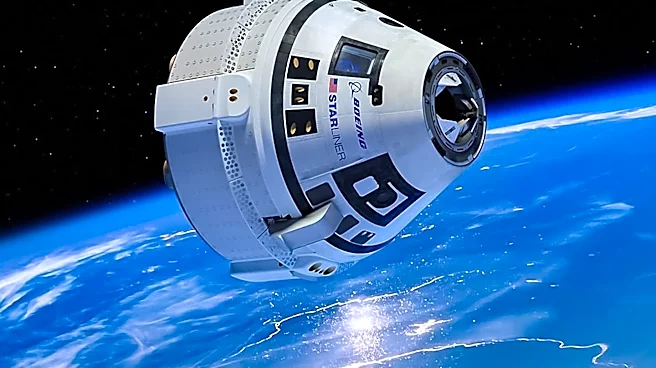
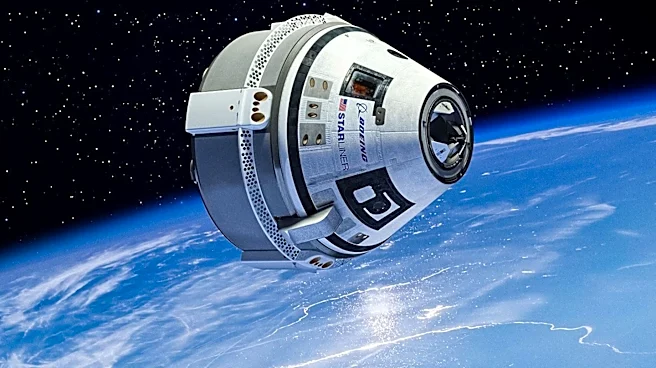
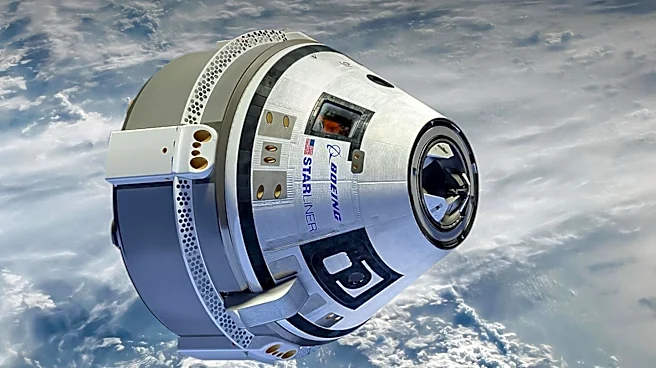
Boeing's efforts to certify its Starliner spacecraft for human spaceflight continue to face significant challenges, resulting in delays and increased costs. Since 2020, Boeing has encountered numerous technical issues during flight tests, including helium
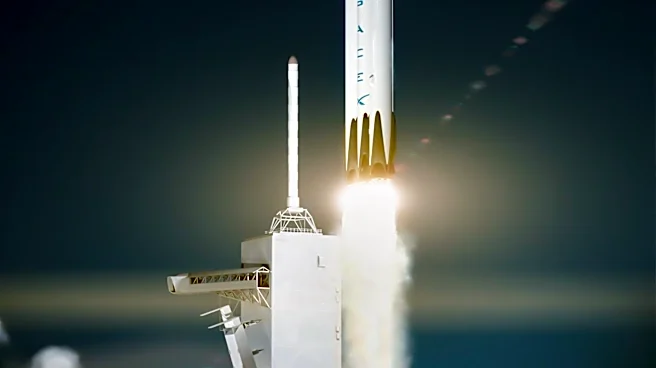
leaks, propulsion system failures, and parachute anomalies. These problems have delayed the certification process by an additional six years, impacting the timeline for providing sustained crew transportation to the International Space Station (ISS) through 2030. While SpaceX has successfully overcome its own technical hurdles and is currently providing continuous crew transportation to the ISS, Boeing's ongoing issues have raised concerns about the viability and safety of the Starliner program.
Why It's Important?
The delays and technical challenges faced by Boeing's Starliner program have significant implications for NASA's Commercial Crew Program and the broader U.S. space industry. The inability to certify the Starliner for human spaceflight affects NASA's plans for diversified crew transportation options to the ISS, potentially increasing reliance on SpaceX. This situation also highlights the financial and operational risks associated with developing new space technologies. The increased costs and extended timeline could impact Boeing's reputation and financial performance, as well as NASA's budget and strategic planning for future space missions.
What's Next?
Boeing and NASA will need to address the technical challenges identified in the Starliner program to achieve human-rating certification. This will likely involve further testing and modifications to the spacecraft's systems. The ongoing issues may prompt NASA to reassess its partnership with Boeing and explore alternative solutions for crew transportation. Additionally, the delays could influence future contract negotiations and funding allocations within NASA's Commercial Crew Program. Stakeholders, including government officials and industry partners, will be closely monitoring Boeing's progress and the potential impact on U.S. space exploration efforts.