

What's Happening?
Former WWE writer Vince Russo has voiced strong criticism regarding the upcoming John Cena Classic, labeling it as self-serving and overly complicated. The event, scheduled for December 14, 2026, at the ESPN Wide World of Sports Complex in Orlando, Florida,
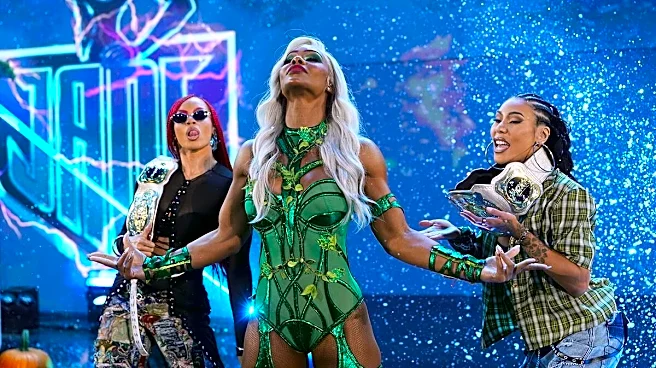
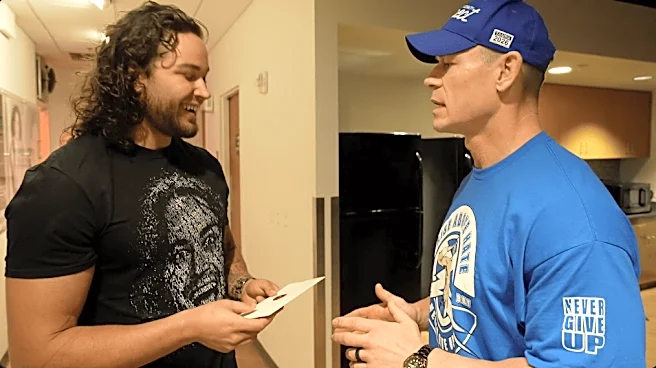
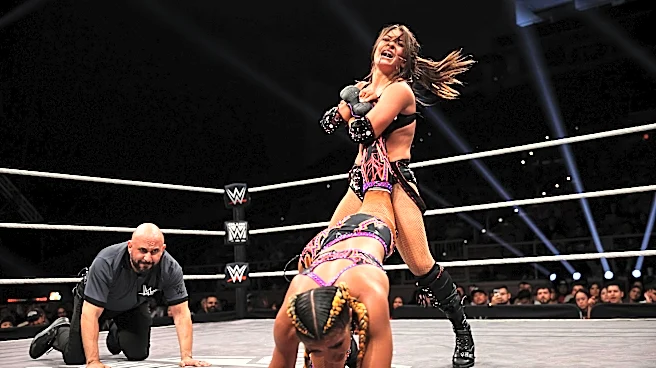
is set to be a special edition of Monday Night RAW on Netflix. John Cena has been personally selecting participants, including Cody Rhodes, Charlotte Flair, Liv Morgan, and several NXT stars. Russo, during an episode of 'Coach and Bro' with Jonathan Coachman, questioned why the event is centered around Cena's name rather than being a broader showcase for WWE talent. He expressed a lack of interest in the event, citing its unusual voting system where main roster wrestlers face NXT talent in exhibition matches, and Club WWE members vote for champions. A key point of confusion for Russo is that winning a match is not a prerequisite for being voted a champion, as performers can win based on their overall performance. This non-traditional format has led Russo to 'tap out' on trying to understand the event's rules and concept.
Why It's Important?
Vince Russo's public critique of the John Cena Classic holds significance within the professional wrestling industry, particularly for WWE. As a former creative writer, Russo's opinions often resonate with a segment of the fanbase and can influence perceptions of new WWE initiatives. His assessment that the event is 'self-serving' and confusing could undermine WWE's efforts to establish a new annual tradition around one of its biggest legends. If a seasoned industry insider struggles to grasp the concept, it raises questions about how the general audience will receive it. This could impact viewership numbers for the special Netflix event and potentially affect future endeavors to innovate WWE programming. The criticism also highlights a potential disconnect between WWE's creative vision and audience expectations, especially concerning how legendary figures like Cena are utilized in new roles. A negative reception could lead to financial implications if the event fails to attract the anticipated audience or sponsorship interest.
What's Next?
Following Vince Russo's strong critique, WWE may face pressure to provide clearer explanations regarding the format and objectives of the John Cena Classic. While Cena has defended the concept as a way to recognize exceptional performances rather than just match victories, the current confusion among industry figures like Russo suggests that WWE's communication strategy might need adjustment. It is possible that WWE will release more detailed promotional materials or statements to clarify the voting system and championship criteria before the December 14, 2026 event. The reactions from other wrestling pundits, fans, and participants in the coming months will also be crucial in shaping the narrative around the Classic. If the confusion persists, WWE might need to reconsider elements of the event's structure for future iterations, especially if initial viewership or fan engagement falls short of expectations. The success or failure of this unique event could influence how WWE approaches similar experimental concepts in the future.
Beyond the Headlines
The controversy surrounding the John Cena Classic extends beyond mere event logistics, touching upon broader themes within professional wrestling regarding innovation, legacy, and fan engagement. Cena's vision to reward performance over victory challenges traditional wrestling narratives, where match outcomes are paramount. This shift could be seen as an attempt to evolve the sport, emphasizing artistic expression and storytelling over pure competition. However, Russo's reaction highlights the potential pitfalls of such innovation, particularly when it deviates too far from established norms without clear communication. It also raises questions about how WWE balances honoring its legends with introducing fresh concepts. Is the event truly a tribute to Cena's legacy, or does it risk becoming a vanity project that alienates a segment of the audience? The outcome of this experiment could influence future creative directions in WWE, potentially leading to more performance-based evaluations or a return to more traditional competitive structures, depending on its reception. This also reflects the ongoing debate within wrestling about what constitutes 'good' wrestling and how it should be judged.