








What's Happening?
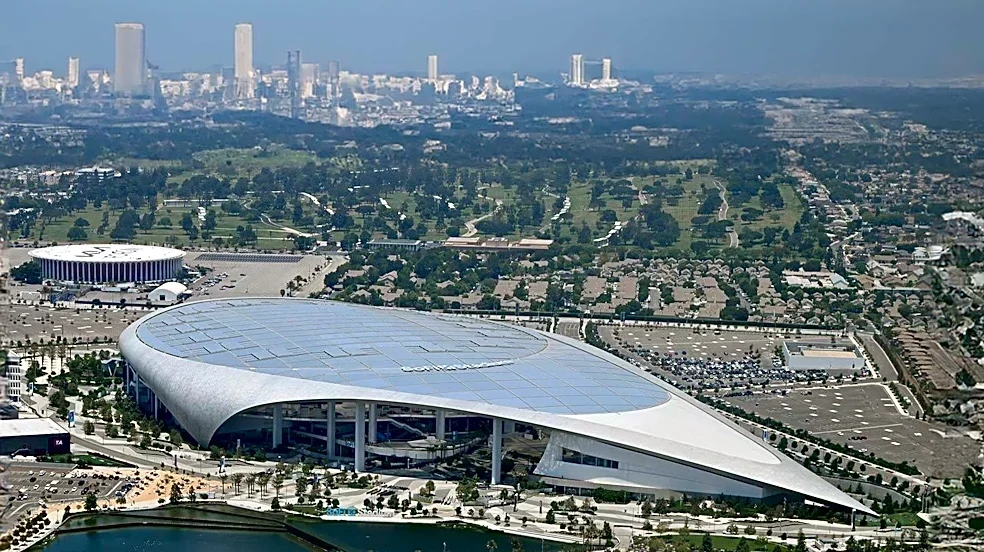
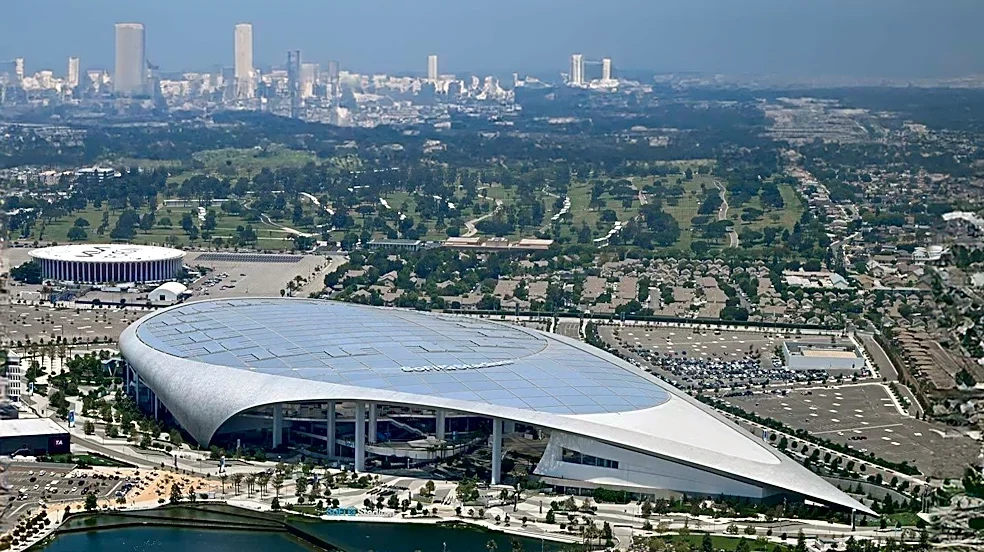
The 2028 Los Angeles Olympic Games will feature a significant departure from tradition for its swimming events, moving them to the second week of the competition and hosting them within SoFi Stadium. This innovative approach will transform the stadium
into a temporary, high-tech aquatic center capable of accommodating nearly 38,000 spectators, making it the largest swimming arena in Olympic history. The shift allows SoFi Stadium to first host portions of the Opening Ceremonies before its conversion. The swimming program will run for nine days, from July 22 to July 30, 2028, with preliminary heats in the mornings and medal finals in prime time. Additionally, the International Olympic Committee has expanded the swimming roster by adding six new sprint events: the 50m backstroke, 50m breaststroke, and 50m butterfly for both men and women, bringing the total gold medal events to 41.
Why It's Important?
This strategic relocation and expansion of the swimming events for LA28 carries significant implications for both the Olympic Games and the sport of swimming. By utilizing SoFi Stadium, organizers aim to maximize spectator engagement and create an unprecedented atmosphere for aquatic sports, potentially boosting the sport's global appeal and viewership. The increased capacity could also lead to higher ticket revenues, contributing to the overall financial success of the Games. The addition of new sprint events reflects an evolution in competitive swimming, catering to different athlete strengths and potentially increasing the number of medal opportunities for various nations. This move also sets a new precedent for future Olympic host cities, demonstrating how existing large-scale venues can be innovatively repurposed to host diverse sporting events, potentially reducing the need for new, permanent construction and promoting sustainability in Olympic infrastructure.
What's Next?
As the LA28 Olympics approach, organizers will focus on the complex logistical challenges of transforming SoFi Stadium into a world-class aquatic venue, including the installation of temporary pools, seating configurations, and necessary infrastructure for athletes and media. Ticket sales for these highly anticipated events are expected to be in high demand globally, with early booking being crucial for fans. Athletes and national swimming federations will begin to strategize and train specifically for the expanded event schedule, particularly the new 50m sprint races, which will require specialized preparation. The success of this innovative venue choice will be closely watched by future Olympic organizing committees, potentially influencing how they plan and execute large-scale events. Furthermore, the increased visibility and accessibility of swimming events could inspire a new generation of athletes and fans, fostering growth in the sport.
Beyond the Headlines
The decision to host Olympic swimming in SoFi Stadium represents a broader trend in major sporting events towards creating more immersive and spectacular experiences for audiences. This move transcends mere logistics, aiming to elevate swimming from a traditional indoor sport to a grand spectacle, akin to opening or closing ceremonies. It challenges conventional notions of sports venue design and utilization, potentially influencing urban planning and event management strategies for future mega-events. Ethically, it raises questions about balancing tradition with innovation and the environmental impact of temporary large-scale constructions, even if within existing structures. Culturally, it could redefine how audiences perceive and engage with swimming, transforming it into a more mainstream entertainment product. This bold step by LA28 could mark a significant shift in the Olympic movement's approach to venue planning and fan engagement, prioritizing spectacle and accessibility.