
What's Happening?
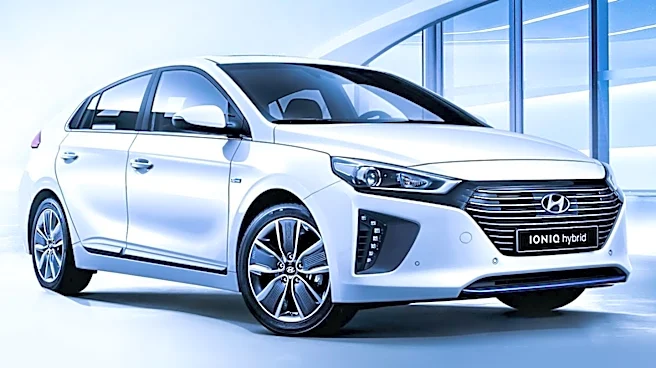
The European Union will implement a 200-day hybrid safeguard starting December 1, capping tariff-free imports of Chinese hybrid vehicles. This measure aims to address a surge in Chinese hybrid vehicle imports that
Brussels believes threatens European car manufacturers. Chinese hybrids will be limited to 350,000 units in the first year, equivalent to approximately 191,000 units over the initial 200-day period, with imports exceeding this quota facing tariffs. While the safeguard applies to all major exporters, including Japan, Turkey, the UK, and South Korea, the Chinese quota is significantly more restrictive, roughly half the volume expected over the next 12 months. The European Commission stated that the surge in imports is driven by growing global production overcapacity and increased trade-restrictive measures in other major markets. Chinese carmakers saw a 73.4% increase in EU sales in October, reaching a record 13.1% market share, while German brands experienced a 5.7% sales decline.
Why It's Important?
This EU action has significant implications for global automotive trade and could indirectly affect the U.S. market. By closing a route Chinese carmakers used to circumvent 2024 EV tariffs, the EU is pushing for local production as the primary way for these companies to grow within the bloc. This could lead to a reallocation of manufacturing and investment, potentially impacting supply chains and competitive dynamics for U.S. automotive companies operating internationally. The EU's move reflects a broader trend of protectionist measures in response to perceived unfair trade practices and overcapacity, which could influence U.S. trade policy discussions, particularly concerning the automotive sector and competition with China. U.S. manufacturers might face increased competition in other markets if Chinese exports are diverted, or they might find opportunities if Chinese companies seek alternative production locations.
What's Next?
The temporary safeguard will run for 200 days during an investigation into hybrid imports. The Chinese commerce ministry has urged the EU to adhere to previous agreements and stated it reserves all rights to defend its industries, suggesting potential retaliatory measures. This could escalate trade tensions between the EU and China, impacting various sectors beyond automotive. For Chinese carmakers, the immediate next step will be to assess the impact of the quotas and potentially accelerate plans for local production within the EU to maintain market access. This situation could also prompt other countries, including the U.S., to review their own trade policies regarding hybrid and electric vehicle imports, especially in light of global overcapacity and national industrial strategies. The outcome of the EU's investigation will be crucial in determining the long-term trade relationship and market access for hybrid vehicles.
Beyond the Headlines
The EU's hybrid cap highlights the complex interplay between trade policy, industrial strategy, and environmental goals. While the stated aim is to protect European carmakers, it also reflects a strategic effort to foster greater economic autonomy and reduce reliance on external supply chains, particularly from China. This move could accelerate the shift towards localized manufacturing and innovation within the EU, potentially creating new opportunities for European businesses but also raising concerns about market fragmentation and higher consumer costs. The broader implication is a potential reshaping of global automotive production and trade flows, with countries increasingly prioritizing domestic industries and supply chain resilience. This could lead to a more fragmented global economy, where trade is increasingly influenced by geopolitical considerations and national security interests, rather than purely economic efficiency.