



What's Happening?
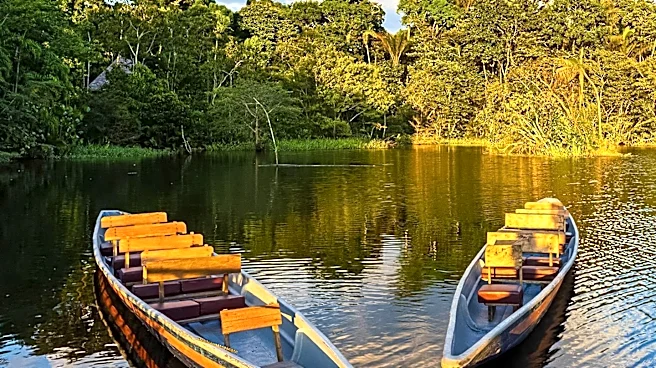
Peru's Amazon basin is a prime destination for river cruises, offering a range of experiences from adventurous to luxurious. These cruises, primarily departing from Iquitos, provide access to the heart of the rainforest, allowing travelers to explore
its vast biodiversity. The Amazon River, formed by the convergence of the Ucayali and Marañón rivers, flows through the Loreto department, presenting a continuous spectacle of landscapes. Cruises typically range from 3 to 7 nights and cater to various preferences, including budget-friendly options, comfortable journeys, and high-end luxury experiences. Activities often include jungle walks, wildlife observation, bird watching, piranha fishing, and visits to local communities. The Pacaya Samiria National Reserve is a frequently visited area, known for its pristine rainforest and abundant wildlife, including hundreds of bird species, primates, reptiles, and amphibians. Special interest cruises focusing on bird watching or photography are also available, with expert naturalist guides accompanying travelers to enhance their understanding of the ecosystem.
Why It's Important?
The growing popularity of Amazon River cruises in Peru highlights a significant trend in eco-tourism and adventure travel. This sector contributes to the local economy, particularly in regions like Iquitos, by supporting tourism infrastructure, local guides, and communities. The emphasis on responsible tourism practices, as detailed by cruise operators, underscores a broader industry shift towards sustainability and cultural respect. By offering immersive experiences that educate travelers about the Amazon's unique flora and fauna, these cruises foster a deeper appreciation for conservation efforts. The diverse range of cruise options, from rustic to luxurious, indicates a market catering to a wide demographic, making such experiences accessible to more people. This also positions Peru as a key player in the global eco-tourism market, attracting international visitors interested in natural wonders and environmental preservation.
What's Next?
The Amazon River cruise industry in Peru is likely to continue evolving with a focus on enhancing traveler experiences and promoting sustainable practices. Future developments may include the introduction of more specialized cruises, such as those dedicated to specific scientific research or cultural immersion programs. As environmental awareness grows, there could be an increased demand for cruises that prioritize ecological cabins, organic food, and comprehensive environmental education programs, as exemplified by the Zafiro cruise. Operators will likely continue to refine their itineraries to offer unique perspectives on the Amazon, potentially exploring more remote tributaries or incorporating new technologies for wildlife observation. The industry will also need to adapt to potential challenges posed by climate change, such as fluctuating river levels during dry and rainy seasons, by adjusting routes and activities to ensure safety and optimal wildlife viewing opportunities.
Beyond the Headlines
Beyond the immediate economic and tourism impacts, Amazon River cruises in Peru play a crucial role in fostering global environmental stewardship. By bringing travelers into direct contact with the Amazon rainforest, these experiences can cultivate a personal connection to one of the world's most vital ecosystems. This direct engagement can translate into increased support for conservation initiatives and a greater understanding of the delicate balance between human activity and natural habitats. The interaction with local communities, often a component of these cruises, also highlights the cultural significance of the Amazon and the importance of respecting indigenous traditions and livelihoods. The ethical considerations of tourism in such a sensitive environment, including minimizing ecological footprints and ensuring fair benefits for local populations, are paramount. These cruises serve as a powerful educational tool, illustrating the urgent need for rainforest preservation and sustainable development on a global scale.