







What's Happening?
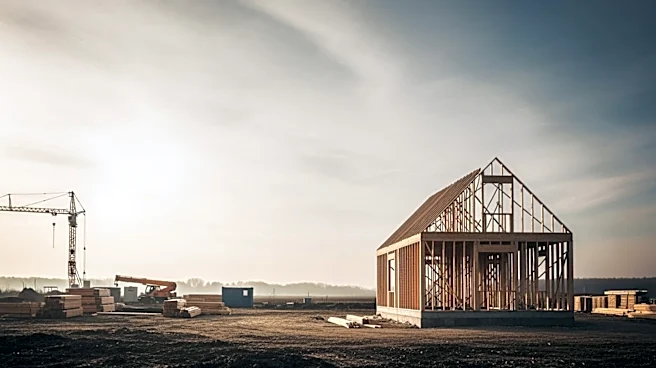
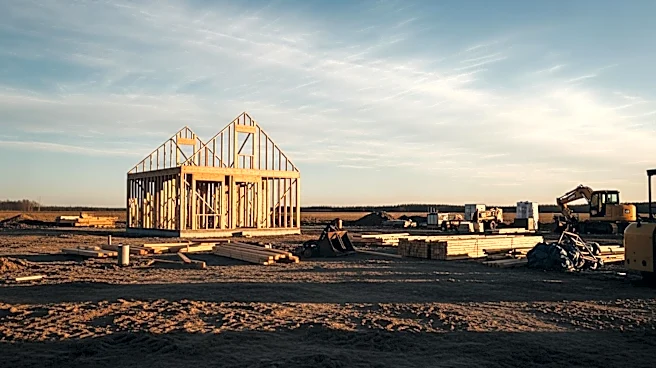
The U.S. housing market is experiencing a significant slowdown in construction, with new home and apartment starts reaching their lowest pace in six years as of May 2026. The Census Bureau's report indicates a 15.4% drop in housing starts from April,
with multi-family housing starts plummeting by 41.6%. This decline is attributed to rising borrowing costs and financial uncertainties affecting apartment projects, which rely heavily on construction loans. The slowdown exacerbates the existing housing shortage, with a national deficit of over four million homes. The situation is further complicated by a decrease in housing project completions, which fell by 8.1% from April.
Why It's Important?
The construction slowdown has significant implications for the U.S. housing market, particularly for renters and prospective homebuyers. With fewer new units entering the market, the supply-demand imbalance is likely to persist, keeping home prices and rental costs elevated. This situation poses challenges for affordability, especially as borrowing costs remain high. The construction industry's struggles also reflect broader economic uncertainties, impacting related sectors such as real estate and finance. Addressing these challenges requires coordinated efforts to stimulate construction activity and alleviate supply constraints.
What's Next?
To address the housing shortage, policymakers and industry stakeholders may need to explore measures to incentivize construction, such as easing financing conditions or providing subsidies for affordable housing projects. Additionally, innovations in construction technology, such as 3D printing, could offer solutions to accelerate building processes and reduce costs. Monitoring economic indicators and adjusting policies to support the housing market will be crucial in the coming months. The construction industry's response to these challenges will play a key role in shaping the future of the U.S. housing market.