







What's Happening?
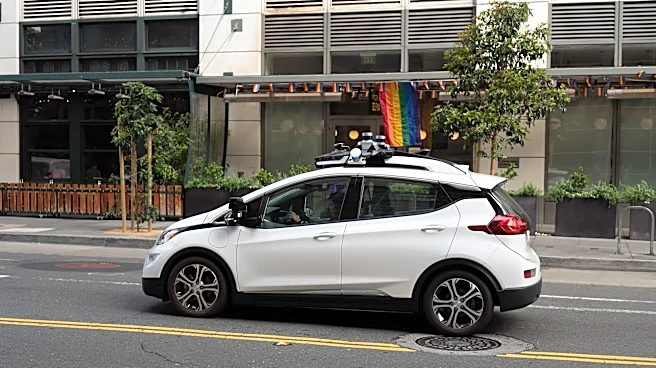
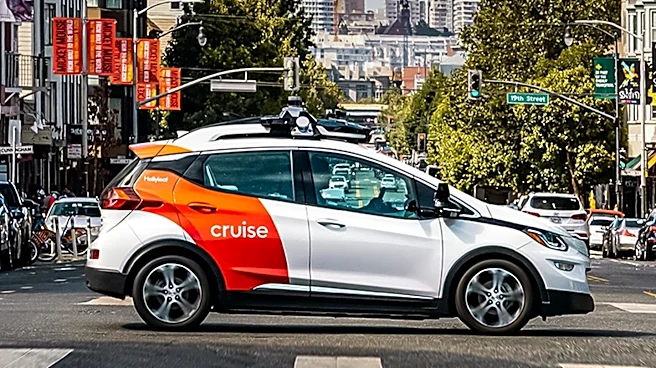
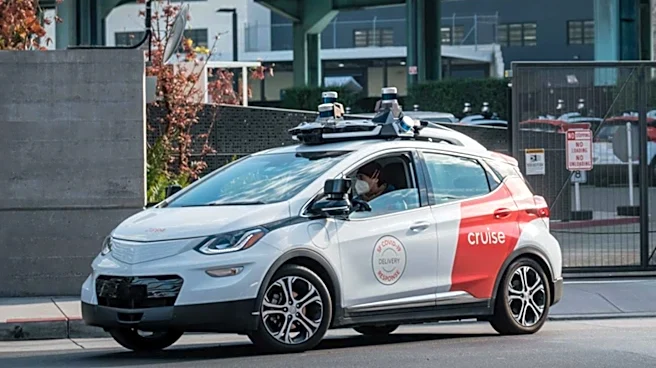
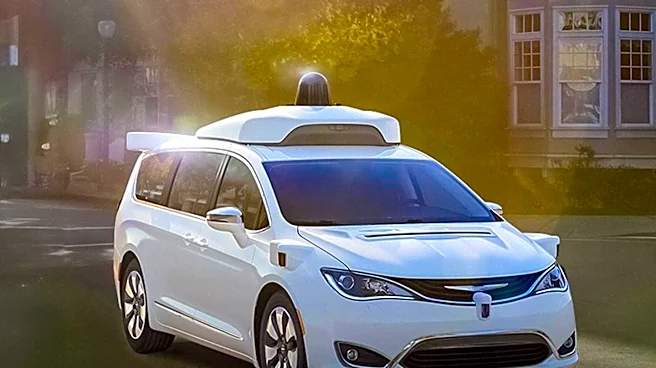
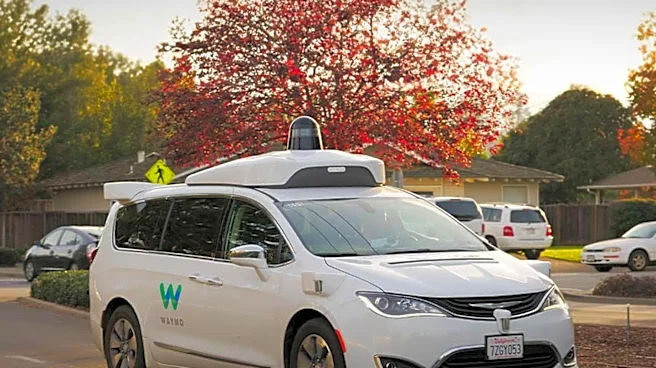
Waymo, a leading company in autonomous vehicle technology, has launched its robotaxi service in Nashville. This expansion allows residents and visitors in Nashville to hail a robotaxi using the Waymo app. The company emphasizes the safety and reliability
of its service, noting that its vehicles have been involved in significantly fewer serious or fatal crashes compared to human drivers. Waymo's entry into Nashville is part of its broader strategy to expand its services across the United States. The company is also testing operations at Nashville International Airport, aiming to serve travelers in the near future. Additionally, Waymo plans to integrate its service with the Lyft app later this year, providing more options for users to access its robotaxis.
Why It's Important?
The introduction of Waymo's robotaxi service in Nashville represents a significant step in the evolution of urban transportation. By offering a safe and reliable alternative to traditional taxis and ride-sharing services, Waymo is contributing to the diversification of mobility options in the city. This development is particularly beneficial for individuals with disabilities, such as the blind community, who gain increased independence and accessibility. The expansion of autonomous vehicle services like Waymo's could lead to reduced traffic congestion and lower emissions, aligning with broader environmental and urban planning goals. Furthermore, the integration with platforms like Lyft could enhance the reach and convenience of autonomous transportation, potentially influencing the future of ride-sharing and public transportation systems.
What's Next?
Waymo's expansion into Nashville is likely to be followed by further growth into other cities, as the company continues to test and refine its technology. The success of this launch could encourage other cities to consider adopting similar autonomous vehicle services, potentially leading to regulatory changes and infrastructure developments to accommodate such technologies. Stakeholders, including local governments and transportation authorities, may need to address challenges related to safety regulations, public acceptance, and integration with existing transportation networks. As Waymo continues to gather data and improve its service, the company may also explore partnerships with other ride-sharing platforms and transportation providers to broaden its market presence.
Beyond the Headlines
The deployment of Waymo's robotaxi service in Nashville highlights the ongoing transformation in the transportation sector driven by technological advancements. This shift raises important ethical and legal questions regarding liability in the event of accidents involving autonomous vehicles. Additionally, the widespread adoption of such technologies could impact employment in the traditional taxi and ride-sharing industries, necessitating workforce retraining and adaptation. The cultural acceptance of autonomous vehicles will also play a crucial role in their success, as public trust and perception are key factors in the adoption of new technologies. As cities adapt to these changes, they may need to reconsider urban planning and infrastructure to support the integration of autonomous vehicles into daily life.