





What's Happening?
The Competition and Markets Authority (CMA) has fined three major fragrance suppliers—Firmenich, Givaudan, and International Flavors & Fragrances (IFF)—a total of £85 million for breaking competition law. These companies, which supply fragrances for everyday
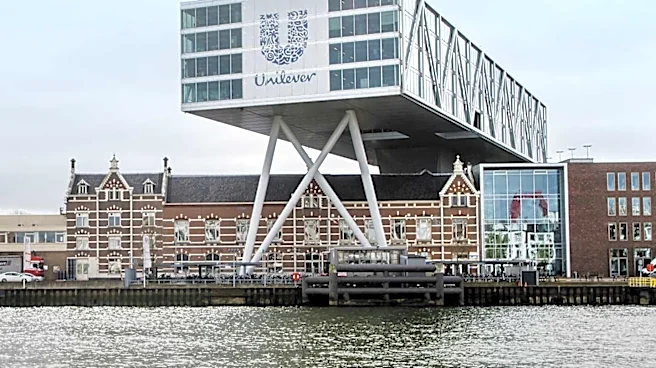
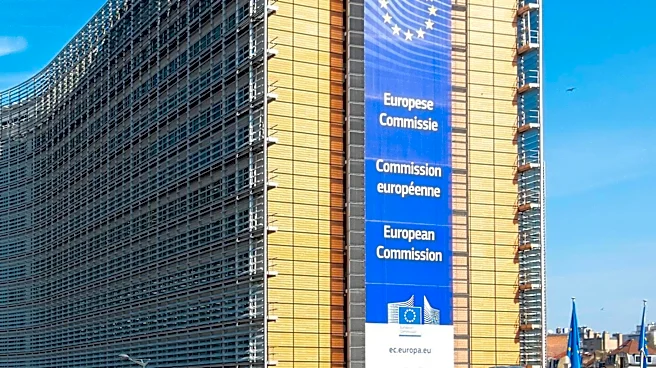
household products and perfumes in the UK, admitted to illegal collusion. Specifically, Firmenich, Givaudan, and IFF shared information to refuse commercial requests, including price decreases, from a major customer, Unilever. They also agreed not to hire each other’s employees working on Unilever’s account. Separately, Givaudan and IFF coordinated the level and timing of their general price increases by exchanging sensitive information. The CMA's investigation involved unannounced inspections, document gathering, and witness interviews, revealing that sensitive information was exchanged through WhatsApp messages, telephone calls, and in-person meetings. The European Commission (EC) conducted a parallel probe and issued its own decision for breaches of EU law, working in close cooperation with the CMA.
Why It's Important?
This enforcement action by the CMA highlights the critical importance of fair competition in markets that directly impact consumers. The illegal collusion among these major fragrance suppliers likely led to higher costs for businesses like Unilever, which could have translated into increased prices for a wide range of household products and perfumes purchased by UK consumers. When suppliers coordinate pricing and commercial strategies instead of competing independently, it stifles innovation and reduces the benefits consumers would otherwise receive from a competitive market. The agreement not to poach employees working on Unilever’s account further reduced competition by limiting labor mobility and potentially suppressing wages or opportunities for skilled workers in the fragrance industry. This case serves as a significant warning to all businesses that anti-competitive practices will be met with substantial penalties, reinforcing the principle that competitors must compete, not collude.
What's Next?
Following the CMA's decision, the fined companies—IFF, Givaudan, and Firmenich—have settled with the CMA, meaning they cannot appeal the decision. The penalties imposed are £24.57 million for IFF, £39.96 million for Givaudan, and £20.64 million for Firmenich. This action concludes the CMA's investigation into these specific instances of anti-competitive conduct. The European Commission's parallel probe also resulted in fines for breaches of EU law, indicating a coordinated international effort to address such practices. The CMA's Executive Director of Competition Enforcement, Juliette Enser, emphasized that this case should serve as a clear warning to all businesses about the consequences of coordinating behind closed doors. Future actions by regulatory bodies are likely to continue focusing on monitoring and penalizing similar anti-competitive behaviors to ensure fair market practices and protect consumer interests.
Beyond the Headlines
The collusion among these fragrance suppliers underscores a broader issue of cartel behavior in industries that produce essential components for everyday consumer goods. While the immediate impact is on the UK market, the involvement of major international suppliers and a parallel probe by the European Commission suggests that such practices can have global implications. The use of informal communication channels like WhatsApp and 'beer and curry' meetings for sensitive discussions highlights the covert nature of these anti-competitive agreements, making them challenging to detect. This case also brings to light the vulnerability of large corporate customers, such as Unilever, to supplier cartels, as they may face inflated input costs that ultimately affect their product pricing and competitiveness. The CMA's success in securing admissions and settlements from the companies involved demonstrates the effectiveness of leniency programs in uncovering and prosecuting cartel activities, encouraging companies to self-report in exchange for reduced penalties.