


What's Happening?
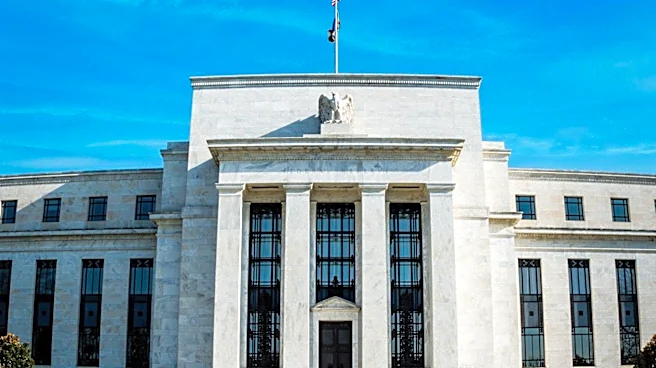
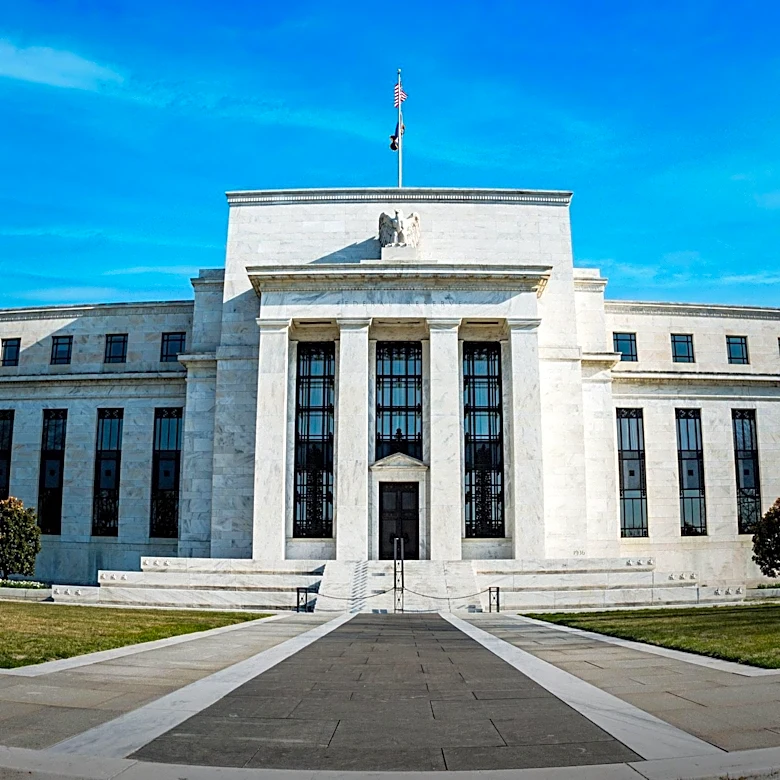
Fed Vice Chair for Supervision Michelle W. Bowman recently delivered opening remarks at the annual Community Bank Cyber Workshop, highlighting the increasing cyber threats posed by Artificial Intelligence (AI) to community banks. Bowman noted that several
community banks experienced significant cyber events over the past year, emphasizing the critical need for robust cyber hygiene and resilience. She warned that threat actors are increasingly using AI to speed up vulnerability identification, power sophisticated social engineering campaigns, lower the barrier to entry for cybercriminals, and adapt attacks in real time. Bowman stressed that strong cyber hygiene, including current asset inventories, phishing-resistant multifactor authentication, strong identity and access controls, and robust vulnerability and patch management, along with employee training and incident response testing, are essential defenses. She also pointed out that AI is becoming a critical part of both defensive measures and an evolving risk.
Why It's Important?
Vice Chair Bowman's warning is crucial for the U.S. banking sector, particularly for community banks, which often have fewer resources than larger institutions to combat sophisticated cyber threats. The increasing use of AI by cybercriminals represents a significant escalation in the complexity and frequency of attacks, posing a direct threat to the financial stability and customer data security of these banks. This situation underscores the urgent need for community banks to invest in advanced cybersecurity measures and employee training. Failure to address these AI-driven threats could lead to severe financial losses, reputational damage, and a loss of public trust. Bowman's remarks also highlight the Federal Reserve's recognition of this evolving risk landscape and its commitment to tailoring its supervisory approach to help smaller institutions manage these challenges effectively, impacting regulatory expectations and compliance efforts across the industry.
What's Next?
Following Vice Chair Bowman's remarks, community banks are expected to intensify their focus on cybersecurity measures, particularly those related to AI-driven threats. This will likely involve increased investment in advanced defensive technologies, enhanced employee training programs to recognize sophisticated social engineering tactics, and more frequent incident response testing. Regulators, including the Federal Reserve, will continue to tailor their IT examination approaches to consider each bank's unique risk profile and emerging threats. Bowman's invitation for community banks to provide feedback on how regulators can clarify expectations for smaller institutions suggests that future guidance and policies may be developed to better support these banks in their cybersecurity efforts. This ongoing dialogue and adaptation will be critical in mitigating the risks posed by AI-enabled cyberattacks and ensuring the resilience of the banking system.
Beyond the Headlines
The rise of AI-driven cyber threats, as highlighted by Vice Chair Bowman, points to a broader technological arms race in the digital realm. Beyond the immediate financial implications for community banks, this development raises ethical questions about the responsible use of AI and the potential for its misuse. The ability of AI to lower the barrier to entry for cybercriminals means that a wider range of actors can launch sophisticated attacks, challenging traditional notions of cybersecurity. This situation also underscores the critical importance of collaboration between financial institutions, technology providers, and government agencies to share threat intelligence and develop collective defense strategies. The long-term impact could include a fundamental shift in how cybersecurity is approached, moving towards more proactive, AI-powered defense mechanisms that can adapt in real-time to counter evolving threats, ultimately reshaping the digital security landscape for all sectors.