


What's Happening?
Jerry Jones, owner of the Dallas Cowboys, has publicly expressed his desire for the NFL to prioritize geographic rivalries in its scheduling. Speaking on 105.3 The Fan in Dallas, Jones suggested that the league should move beyond its current rotation-based
system to foster more 'my town against your town' matchups. He believes that increasing the frequency of games between geographically close teams, even those in different conferences, would ignite fan passion and enhance the overall appeal of the sport. As an example, he cited the infrequent matchups between the Dallas Cowboys and Houston Texans, who have only played seven times since the Texans joined the NFL in 2002, despite being in the same state. Jones also highlighted the intensity of existing divisional rivalries like Cleveland and Pittsburgh as a model for what could be expanded across the league. This proposal comes as the NFL considers potentially expanding its regular season to 18 games, which could provide an opportunity to implement such scheduling changes.
Why It's Important?
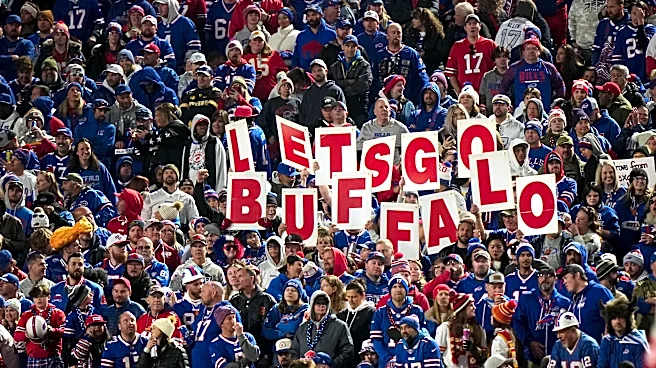
Jones's proposal carries significant implications for the NFL's business model and fan engagement. By emphasizing geographic rivalries, the league could tap into a deeper sense of local pride and competition, potentially leading to increased viewership, higher attendance, and greater merchandise sales. These 'battle for the soul of a city' matchups could become annual tentpole events, generating consistent buzz and revenue. For teams, more frequent high-stakes rivalry games could intensify competition and provide compelling narratives throughout the season. However, implementing such a change would require a significant overhaul of the NFL's long-standing scheduling formula, which is designed to ensure competitive balance and fairness across all teams. The current system aims to provide a diverse range of opponents, and a shift towards more localized matchups might reduce exposure to teams from other regions, potentially impacting national fan bases. The financial implications for teams, particularly regarding salary cap management, also remain a concern, as noted by Stephen Jones regarding the difficulty of paying multiple top-tier players.
What's Next?
The NFL is reportedly considering an expansion of its regular season to 18 games, potentially between 2028 and 2031. This expansion could serve as a catalyst for re-evaluating the current scheduling formula and incorporating more geographic rivalry games, as suggested by Jerry Jones. While the league has not officially announced plans to create permanent geographic opponents, Jones's comments indicate that the concept is being discussed at high levels. If adopted, the NFL would need to determine how to integrate these new rivalry games without compromising the competitive balance or fairness of the schedule. Potential reactions from other team owners, who might have differing views on the benefits and drawbacks of such a change, will also be a factor. The league would likely conduct extensive analysis on the potential impact on fan engagement, television rights, and overall revenue before making any definitive decisions.
Beyond the Headlines
Beyond the immediate financial and competitive aspects, Jerry Jones's push for more geographic rivalries touches upon the cultural essence of American football. The 'my town against your town' mentality he describes is deeply ingrained in the sport's history, from high school to professional levels. Re-emphasizing these local battles could reignite a sense of community identity and pride that some argue has been diluted by the league's focus on national branding and broader market appeal. This shift could foster a more passionate and personally invested fan base, moving beyond casual viewership to a deeper, more emotional connection with their local teams. However, it also raises questions about how such a system would impact teams in less densely populated areas or those without clear geographic rivals. The challenge for the NFL would be to harness this local fervor while maintaining its national appeal and ensuring equitable opportunities for all franchises.