





What's Happening?
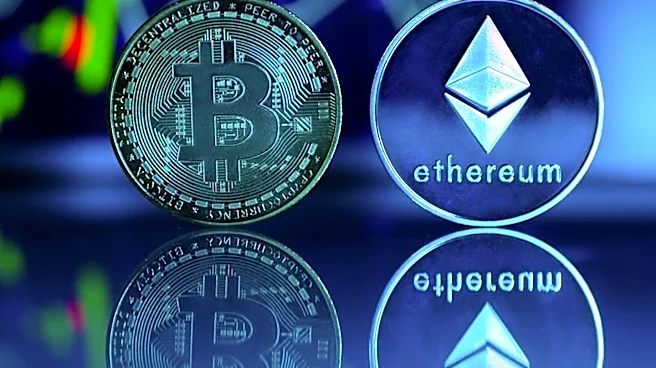
More than $1 billion in leveraged cryptocurrency positions were liquidated as Bitcoin, Ethereum, XRP, and Solana experienced significant price drops. This massive liquidation event, with over $1.05 billion liquidated in the 24 hours leading up to November
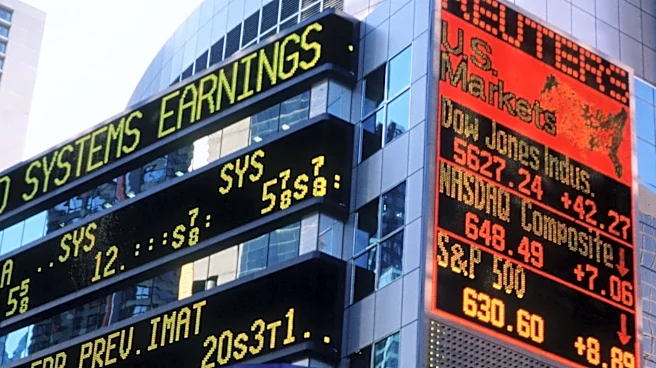
6, 2026, was primarily triggered by a sharp selloff in U.S. technology and AI stocks, which dragged the crypto market down. Bitcoin hit an intraday low of $74,780.91, its weakest level since August 21, while Ethereum slid more than 7% to about $2,247. Long positions accounted for approximately $930 million, or 88.2%, of the total liquidations, with Bitcoin positions making up around $267 million and Ethereum approximately $167 million. The Nasdaq Composite fell 5.5% amid turmoil in AI and chip stocks, and escalating worries about the AI sector's growth prospects, combined with uncertainty in the post-midterm election landscape, contributed to the pressure. Bitcoin ETFs also added to the downward pressure with hefty outflows.
Why It's Important?
The liquidation of over $1 billion in leveraged crypto positions highlights the extreme volatility and interconnectedness of the cryptocurrency market with traditional U.S. financial markets, particularly the tech sector. The fact that a selloff in U.S. tech and AI stocks could trigger such a massive crypto liquidation event demonstrates that cryptocurrencies are not immune to broader economic and market trends. This correlation challenges the narrative of crypto as a completely uncorrelated asset class, indicating that its fate is increasingly tied to Wall Street's performance. The high proportion of long liquidations suggests that many traders were overly optimistic, leading to a cascade of forced selling that further depressed prices. This event can erode investor confidence, especially among those using leverage, and may lead to more cautious trading behavior in the future. The outflows from Bitcoin ETFs further underscore a weakening institutional appetite, which is crucial for the market's stability and growth. The 'Fear & Greed Index' slipping into 'fear' territory reflects a significant shift in market sentiment, indicating widespread concern among investors.
What's Next?
The immediate aftermath of such a large-scale liquidation event often involves a period of consolidation or further price discovery as the market digests the losses and adjusts to new sentiment. Traders are likely to be more cautious with leveraged positions, potentially leading to reduced volatility in the short term, but also slower price recovery. The crypto market will continue to monitor the performance of U.S. technology and AI stocks, as their movements appear to have a significant impact on cryptocurrency prices. Any signs of stabilization or recovery in the tech sector could provide some relief for crypto. Additionally, the market will be watching for changes in institutional investment patterns, particularly in Bitcoin ETFs, as renewed inflows could signal a return of confidence. The broader economic outlook, including interest rate expectations and post-midterm election policy implications, will also play a crucial role in shaping the market's direction.
Beyond the Headlines
This event underscores a deeper implication: the increasing financialization of cryptocurrency. As more institutional money and sophisticated trading instruments enter the market, crypto assets become more susceptible to the same forces that drive traditional markets. The 'chain reaction' of liquidations, where selling triggers more selling, reveals a systemic risk inherent in highly leveraged markets, regardless of the underlying asset. This raises questions about the regulatory oversight needed for crypto derivatives and the potential for contagion across different asset classes. The correlation with AI and chip stocks also suggests that the market is increasingly viewing certain cryptocurrencies through a technological lens, linking their value to the broader tech innovation cycle. This could lead to a future where crypto's performance is less about its unique blockchain properties and more about its integration into the global tech and financial ecosystem, potentially altering its original vision as a decentralized alternative.