


What's Happening?
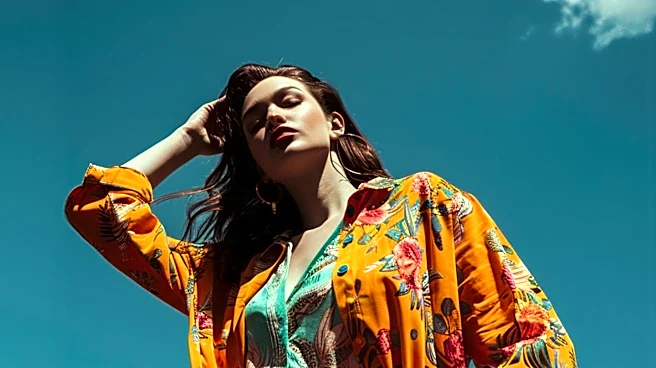
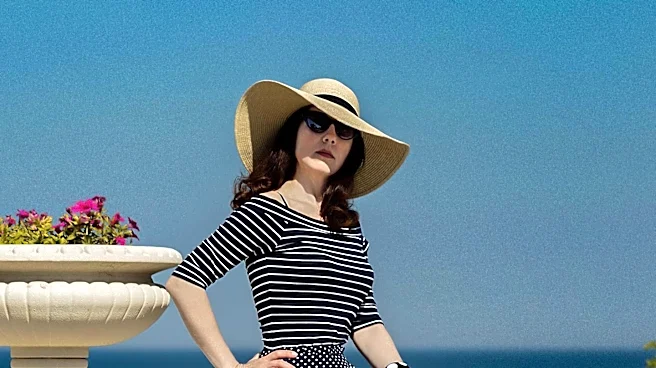
Resort wear, traditionally associated with vacation-specific clothing like swimwear and cover-ups, has significantly broadened its scope. It now encompasses a versatile range of garments designed for comfort and style, suitable for various activities
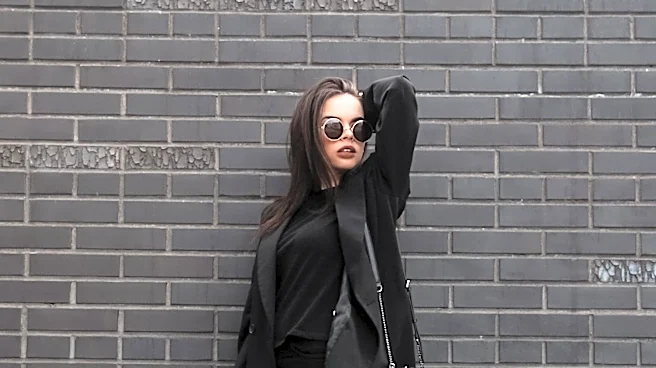
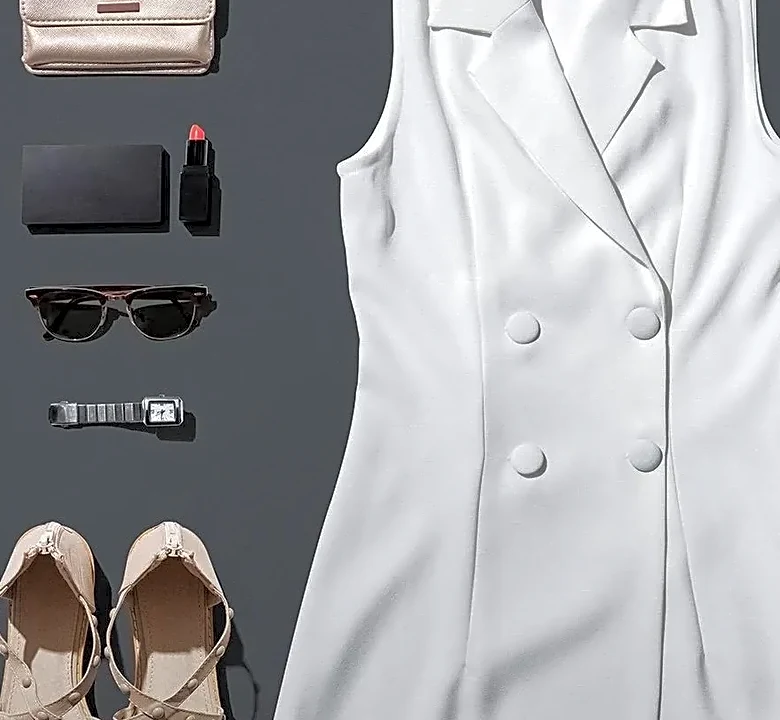
from beachside relaxation to evening cocktails. Key pieces in modern resort wear include oversized shirts, linen trousers, tailored shorts, coordinated sets, relaxed tailoring, swimwear, sandals, lightweight knitwear, and statement accessories. This evolution emphasizes versatility, with individual pieces often designed to function across multiple parts of the day. The trend reflects a shift where resort-inspired elements, such as linen trousers and flowing dresses, are increasingly integrated into everyday wardrobes, bringing a sense of ease and holiday energy into daily life. The fashion industry is designing these collections to reflect a lifestyle of comfort, confidence, and freedom, allowing individuals to experience their surroundings fully without constantly focusing on their attire.
Why It's Important?
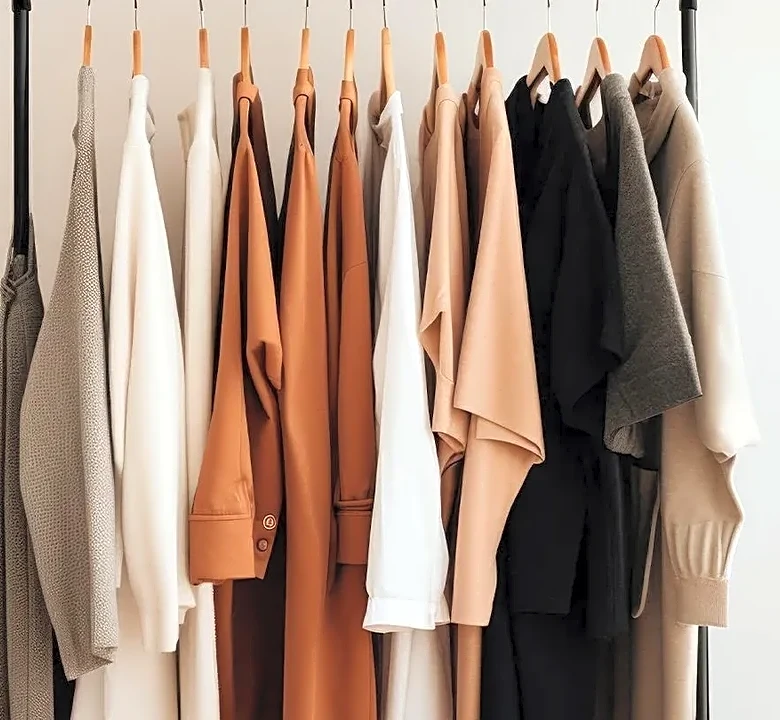
The expansion of resort wear into everyday fashion signifies a notable shift in consumer preferences and the broader U.S. apparel market. This trend indicates a growing demand for comfortable, versatile, and stylish clothing that transcends traditional seasonal or occasion-specific boundaries. For U.S. retailers and designers, this means an opportunity to innovate and offer collections that blend leisure with daily wear, potentially increasing sales and market share in a competitive landscape. Consumers benefit from more functional and adaptable wardrobes, reducing the need for distinct clothing categories for different activities. This shift also impacts manufacturing and supply chains, as there may be a greater emphasis on breathable fabrics like cotton and linen, and designs that prioritize ease of movement and layering. The move towards 'effortless, feel-good fashion' suggests a cultural embrace of a more relaxed yet polished aesthetic, influencing how Americans dress for both travel and daily routines.
What's Next?
The continued integration of resort wear into mainstream fashion is expected to drive further innovation in fabric technology and design. Fashion houses and brands will likely continue to release collections that blur the lines between vacation and everyday attire, focusing on modular and versatile pieces. We can anticipate more emphasis on sustainable and planet-friendly materials, such as LENZING™ ECOVERO™ Viscose, as consumers increasingly prioritize ethical and environmental considerations in their purchasing decisions. Retailers may also adapt their merchandising strategies to highlight the multi-functional aspects of these garments, promoting them for both travel and daily wear. This trend could lead to a reduction in highly specialized clothing categories, favoring adaptable wardrobes that cater to a dynamic lifestyle. Additionally, the influence of social media will continue to play a crucial role, with destinations serving as visual backdrops for personal style, further popularizing resort-inspired aesthetics in everyday contexts.
Beyond the Headlines
The rise of resort wear as an everyday fashion staple reflects deeper societal shifts towards valuing comfort, flexibility, and a more relaxed approach to life. This trend challenges traditional notions of formality and occasion-specific dressing, suggesting a cultural desire for clothing that supports a fluid, experience-driven lifestyle. Ethically, the emphasis on breathable and sustainable fabrics could encourage more responsible production practices within the fashion industry. Psychologically, incorporating 'holiday energy' into daily wear might contribute to improved well-being, as clothing can influence mood and perception. This evolution also highlights the increasing influence of travel and global aesthetics on personal style, as consumers seek to embody the ease and freedom associated with vacation in their everyday lives. The blurring of lines between different clothing categories could lead to a more minimalist approach to wardrobes, where fewer, more versatile pieces are valued over extensive, specialized collections.