
What's Happening?
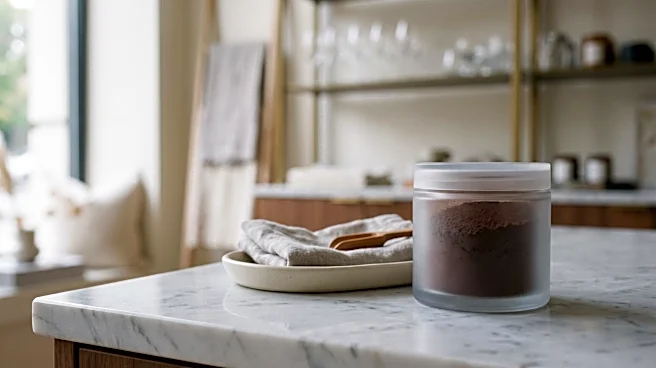
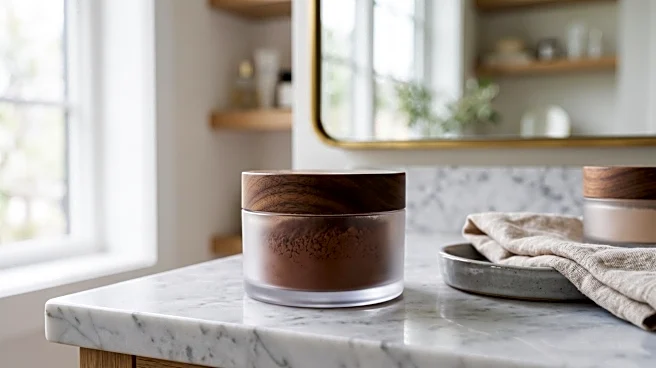
Beauty influencer Golloria has publicly responded to an apology issued by Huda Kattan, the founder of Huda Beauty. The apology from Kattan addressed the company's decision to discontinue its darkest setting powder, 'Coffee Cake,' and replace it with a new
shade called 'Coco Truffle.' This change sparked discussion within the beauty community, particularly concerning inclusivity and the availability of shades for deeper skin tones. Golloria's response indicates a continued dialogue between beauty brands and influencers regarding product development and consumer feedback, especially on issues of representation in cosmetic lines. The situation highlights the growing influence of beauty influencers in holding brands accountable for their product offerings and marketing strategies.
Why It's Important?
This event is significant as it underscores the increasing power of beauty influencers in shaping brand decisions and public perception within the cosmetics industry. Influencers like Golloria often serve as crucial intermediaries between brands and consumers, amplifying feedback and driving conversations around product inclusivity. For Huda Beauty, a prominent global brand, the need to issue an apology and engage with influencer feedback demonstrates the commercial and reputational risks associated with perceived missteps in product development, particularly concerning diverse consumer bases. This interaction can influence how other beauty brands approach product formulation, shade ranges, and communication strategies, emphasizing the importance of diversity and inclusion in their offerings to avoid similar public scrutiny and maintain consumer trust.
What's Next?
The ongoing dialogue between beauty influencers and brands like Huda Beauty suggests a continued trend towards greater accountability and responsiveness in the cosmetics industry. Brands may increasingly prioritize diverse product testing and feedback from a wider range of consumers and influencers before product launches or changes. This incident could prompt Huda Beauty and its competitors to re-evaluate their shade development processes and communication protocols to ensure they meet the expectations of a diverse customer base. Future product releases from Huda Beauty will likely be scrutinized more closely for their inclusivity, and the brand's subsequent actions will be watched to see how they address the concerns raised by influencers and consumers regarding shade ranges.
Beyond the Headlines
Beyond the immediate product change, this situation reflects broader societal conversations about representation and inclusivity in various industries, including beauty. The demand for diverse shade ranges in cosmetics is not merely about product availability but also about acknowledging and valuing all consumers. This incident highlights the ethical responsibility of beauty brands to cater to the needs of all skin tones, moving beyond a one-size-fits-all approach. It also showcases the evolving role of social media and digital platforms in empowering consumers and influencers to advocate for change, thereby influencing corporate practices and fostering a more inclusive market environment. The long-term implication is a shift towards more equitable product development and marketing strategies across the beauty sector.