


What's Happening?
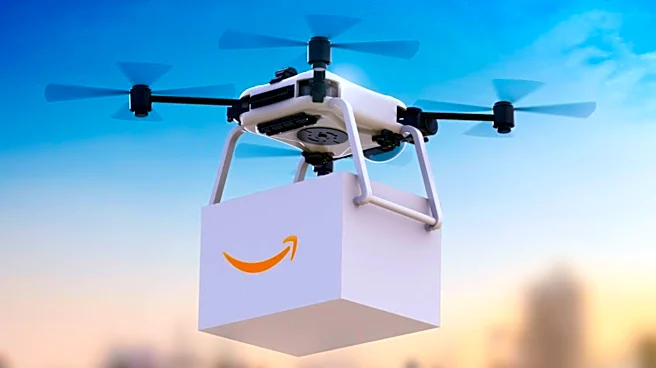
Uber has announced a strategic partnership with drone delivery company Zipline to integrate drone technology into its Uber Eats delivery network. The collaboration aims to achieve one million deliveries per day using Zipline's drones by the end of 2029.
The initial phase of drone deliveries through the Uber Eats platform is scheduled to commence by the end of this year in existing Zipline markets, such as Dallas and Houston. Following this, there are plans for significant expansion into dozens of U.S. cities. This partnership combines Uber's extensive on-demand transportation and delivery platform with Zipline's established drone delivery service, which has a decade of experience, including operating the world's largest drone delivery network and completing over 20 million item deliveries. Uber is also making a strategic investment in Zipline, signaling its confidence in the future of drone delivery as an everyday service for millions of people in the United States.
Why It's Important?
This partnership marks a significant shift in the U.S. delivery landscape, moving away from traditional vehicle-based methods. Currently, the U.S. sees 5.5 billion deliveries annually, predominantly relying on 4,000-pound cars. The introduction of drone delivery offers a solution to the physical constraints of road infrastructure and traffic congestion, which limit the speed and efficiency of current delivery services. For consumers, this means the potential for significantly faster delivery times, with food arriving in minutes from restaurant kitchens. For businesses, particularly restaurants, Zipline's technology could expand their customer reach tenfold due to increased range and speed. The environmental impact is also notable, as each Zipline flight produces zero emissions, offering a more sustainable alternative to conventional delivery methods. This initiative could set a new standard for logistics and reshape consumer expectations for delivery speed and convenience, potentially disrupting the entire last-mile delivery industry.
What's Next?
The immediate next step is the launch of Zipline drone deliveries on the Uber Eats platform in existing markets like Dallas and Houston by the end of this year. Following this pilot phase, the partnership plans to expand into numerous U.S. cities, with an ambitious goal of reaching one million deliveries per day by the end of 2029. This expansion will likely involve navigating regulatory frameworks for drone operations in urban environments and scaling infrastructure to support widespread drone delivery. The success of this initiative could prompt other major delivery services to explore or accelerate their own drone delivery programs, intensifying competition and innovation in the sector. Furthermore, the strategic investment by Uber in Zipline suggests a long-term commitment to this technology, indicating that drone delivery is poised to become a mainstream component of the U.S. logistics and e-commerce ecosystem.
Beyond the Headlines
This collaboration extends beyond mere logistical efficiency; it represents a fundamental re-imagining of urban infrastructure and consumer behavior. The concept of 'teleportation' becoming part of everyday life, as described by Zipline's CEO, highlights a potential paradigm shift in how goods are moved and accessed. The ability to receive items in minutes, regardless of location, could reduce reliance on personal vehicles for errands and reshape local economies by enabling smaller businesses to compete more effectively with larger retailers through rapid delivery. Ethical considerations around drone noise, privacy, and air traffic management will become increasingly prominent as these services scale. The long-term implications could include a reduction in road traffic and associated pollution, but also a need for new urban planning strategies to accommodate drone landing zones and flight paths. This partnership is not just about delivering burritos; it's about pioneering a new era of instantaneous, on-demand access that could redefine convenience and urban living.