






What's Happening?
Lifetime Logistics Services LLC, a freight broker and trucking company based in Covina, California, actively manages freight shipping in Stockton, CA, and its surrounding distribution corridor, including Lathrop, Tracy, Manteca, and Lodi. The company primarily
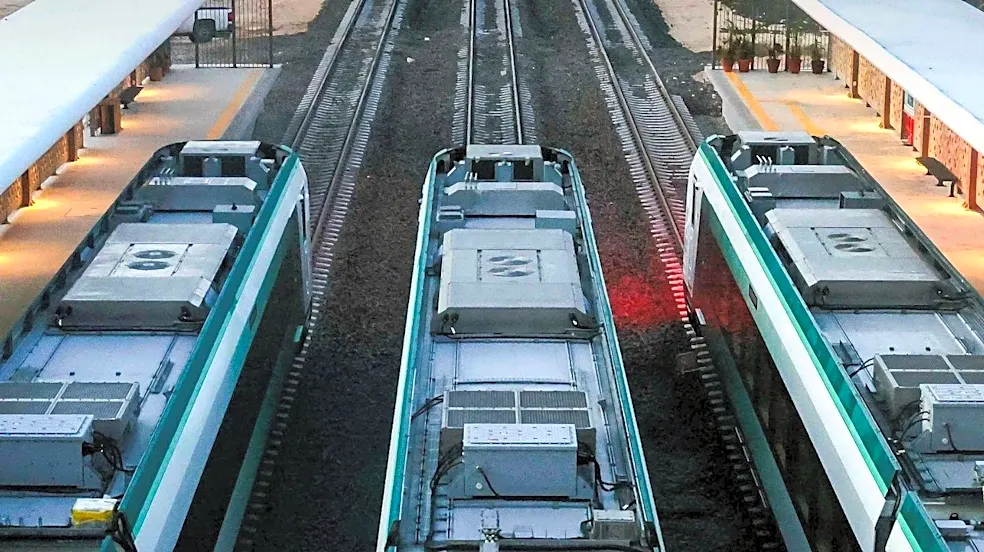
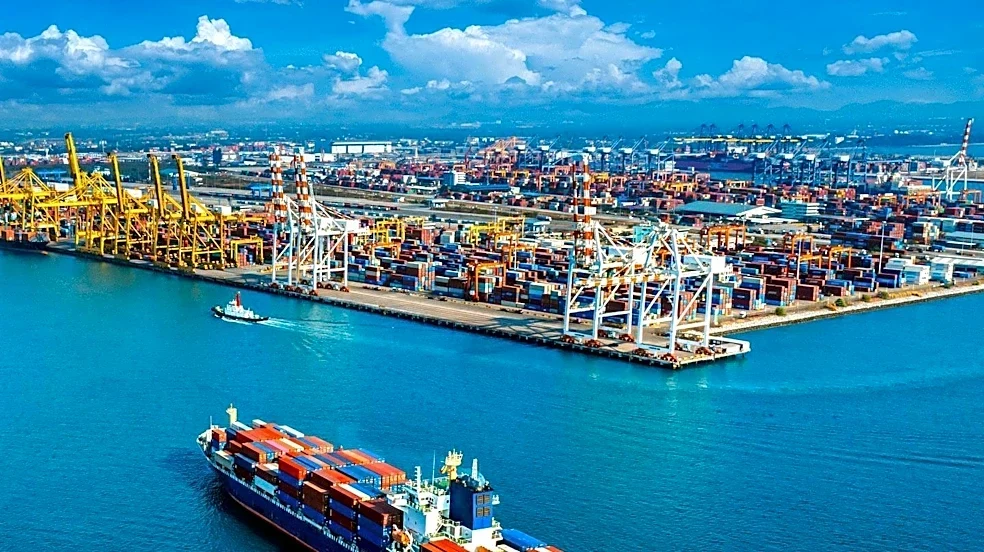
utilizes partner carriers for nearly all its freight operations in this region, as its own trucks are based in Southern California. Lifetime Logistics acts as a broker, handling tasks such as finding suitable trucks, vetting carriers through Highway checks before each load, tracking shipments, and managing all necessary paperwork. The predominant freight movement from Stockton is outbound, primarily consisting of dry van shipments destined for the San Gabriel Valley and other parts of Los Angeles County. These routes typically cover about 340 miles, taking six to seven hours of driving, often resulting in next-morning deliveries for pickups made during the day. The company notes that Stockton is a significant freight hub due to its seaport, two intermodal rail terminals (BNSF and Union Pacific), and numerous distribution centers for national retailers.
Why It's Important?
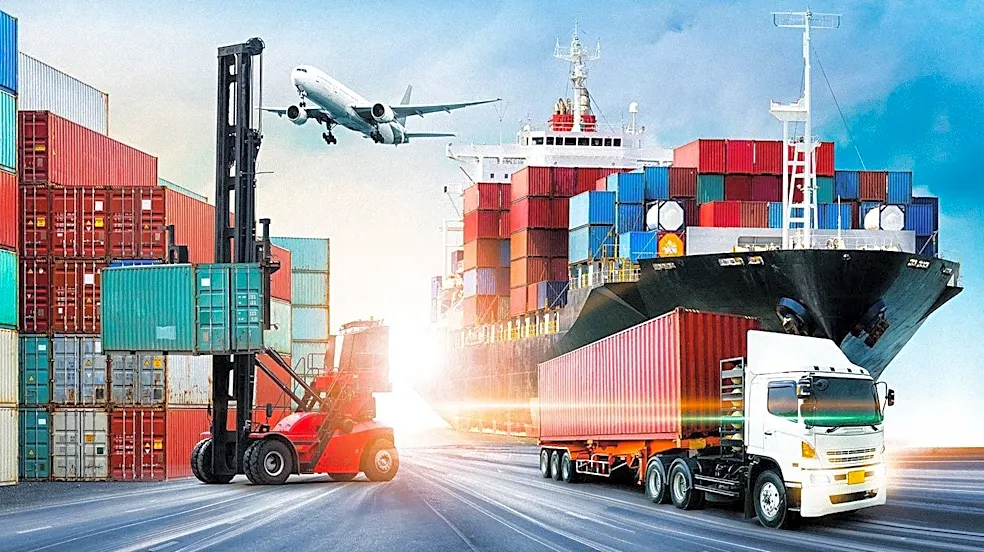
The detailed operations of Lifetime Logistics Services LLC in the Stockton area highlight the critical role of freight brokerage in maintaining the efficiency of the U.S. supply chain, particularly in key distribution hubs. Stockton's strategic location, with its port and intermodal rail access, makes it a vital nexus where national rail freight connects with California's trucking network, serving the Bay Area and Northern California. The reliance on partner carriers by companies like Lifetime Logistics underscores the fragmented yet interconnected nature of the trucking industry, where brokers play a crucial role in matching shippers with available transport. This system ensures that goods, predominantly palletized freight loaded into 53-foot dry vans, are moved efficiently from warehouses to their final destinations, supporting retail and online commerce across California. The challenges mentioned, such as winter risks like the Grapevine and valley fog, also emphasize the logistical complexities and the need for robust tracking and communication in freight management.
What's Next?
As Stockton continues to serve as a major distribution hub, Lifetime Logistics Services LLC will likely continue its brokerage model, adapting to seasonal demands and logistical challenges. The company's focus on dry van shipments from Stockton to Southern California is expected to remain a core part of its operations. Future developments in the region's infrastructure, such as improvements to Interstate 5 and State Route 99, or changes in rail terminal capacities, could influence freight flow and carrier availability. The ongoing need for efficient freight movement to support the vast consumer markets in Southern California suggests a sustained demand for brokerage services that can navigate carrier networks and regional specificities. Additionally, as e-commerce continues to grow, the demand for reliable and tracked freight services from distribution centers in the Stockton corridor will likely increase, potentially leading to further optimization of routes and carrier partnerships.
Beyond the Headlines
The operational details of Lifetime Logistics Services LLC offer a glimpse into the broader economic ecosystem of freight and logistics in California. The reliance on partner carriers points to the gig economy's influence within the trucking sector, where independent owner-operators or smaller trucking firms contract with larger brokers. This model allows for flexibility but also introduces complexities in quality control and coordination, which brokers like Lifetime Logistics aim to mitigate through vetting processes. The mention of Stockton's role as a meeting point for rail and truck freight highlights the multimodal nature of modern supply chains and the strategic importance of intermodal facilities in reducing transportation costs and environmental impact. Furthermore, the challenges posed by weather conditions like fog and mountain passes underscore the inherent vulnerabilities in just-in-time delivery systems and the constant need for contingency planning in logistics, impacting everything from consumer goods availability to manufacturing schedules.