





What's Happening?
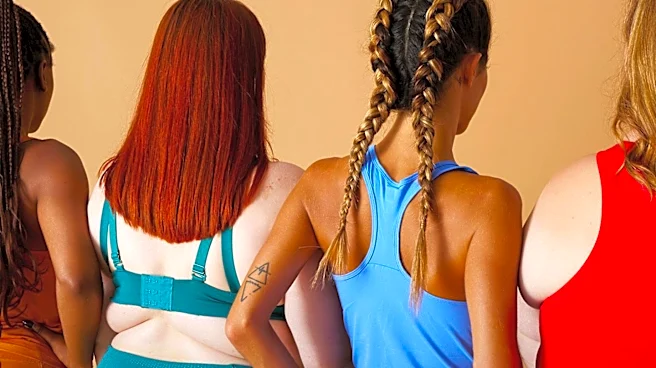
In 2026, the fashion industry continues to grapple with size inclusivity, as plus-size women face societal biases and limited representation. Despite claims of inclusivity, a 2025 review by Vogue Business revealed that plus-size models accounted for less
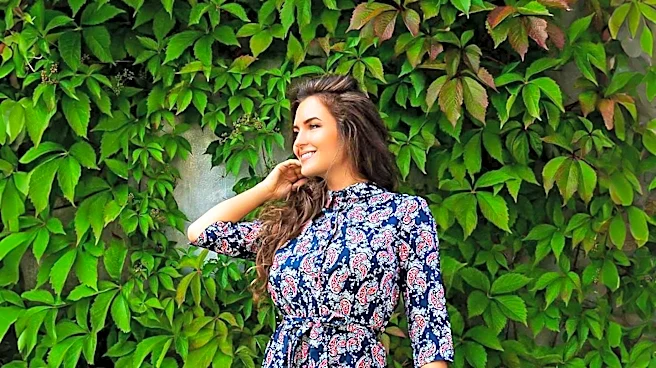
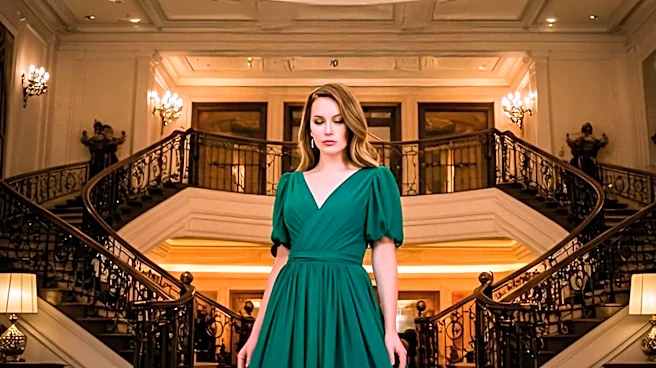
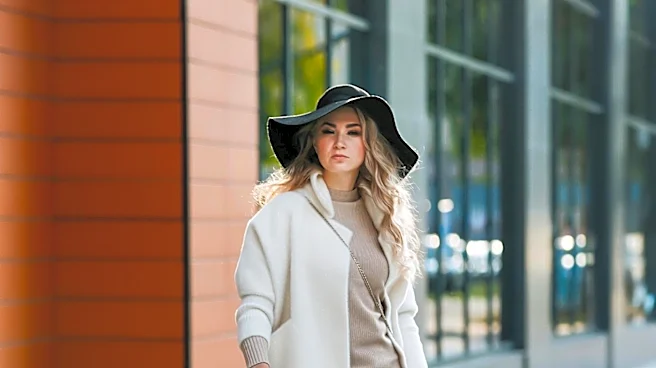
than 1% of runway looks. This lack of representation influences public perception, as plus-size women often encounter negative reactions to their fashion choices. Outfits that are considered trendy on smaller bodies are often labeled as 'unflattering' or 'too loud' on larger bodies. The disparity between market demand and available options highlights ongoing challenges in achieving true inclusivity in fashion.
Why It's Important?
The fashion industry's struggle with size inclusivity has significant implications for societal attitudes towards body image. The limited representation of plus-size bodies in fashion perpetuates stereotypes and biases, affecting the self-esteem and confidence of plus-size individuals. As the global plus-size market continues to grow, with projections reaching $412.4 billion by 2030, the industry's failure to meet demand reflects a disconnect between consumer needs and available products. Addressing these challenges is crucial for fostering a more inclusive and accepting society, where all body types are celebrated and represented.
Beyond the Headlines
The ongoing discourse around size inclusivity in fashion highlights deeper societal issues related to body image and self-worth. The reactions to plus-size fashion choices often reveal ingrained biases and the need for a cultural shift towards acceptance and diversity. As more brands and designers embrace size inclusivity, there is potential for a broader cultural change that challenges traditional beauty standards and promotes body positivity. This shift could lead to a more equitable fashion industry that values diversity and empowers individuals to express themselves freely, regardless of size.