







What's Happening?
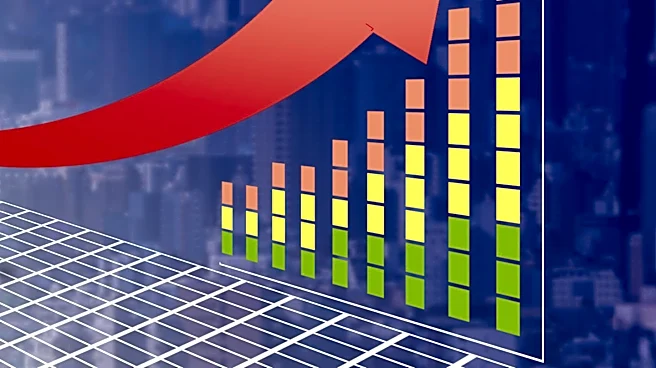
A BloombergNEF report projects that AI data centers could consume about 20% of all U.S. electricity by 2035, up from 5.9% today. This surge in demand is driven by the need for advanced chips and cooling systems required for AI applications. The report highlights
a significant shift in the U.S. electricity system, with utilities, tech firms, and policymakers needing to rethink power generation and decarbonization strategies. The U.S. Energy Information Administration forecasts record electricity consumption in the coming years, driven by AI, electrification, and population growth.
Why It's Important?
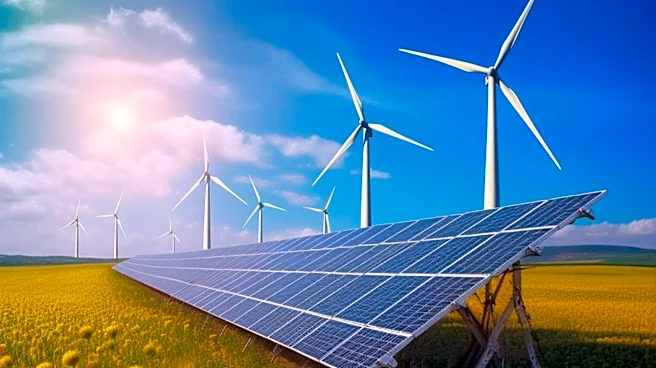
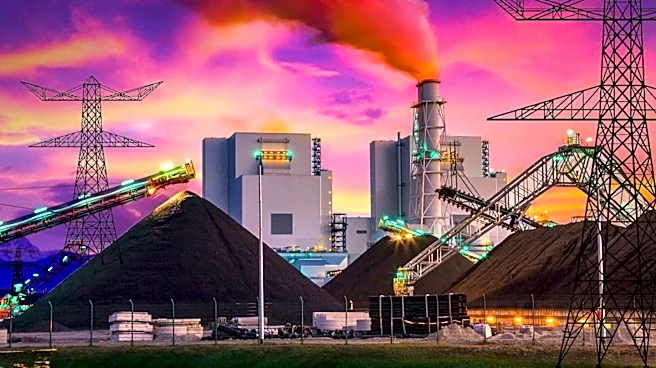
The rapid increase in electricity demand due to AI presents both challenges and opportunities for the U.S. power sector. Meeting this demand while reducing emissions will require a balanced mix of nuclear power, renewable energy, battery storage, and other technologies. The shift towards AI-driven electricity consumption could accelerate investments in clean energy and grid modernization. However, if new electricity comes mainly from fossil fuels, emissions could rise, complicating efforts to meet climate goals. The ability to generate clean, reliable power at scale will be crucial for maintaining U.S. leadership in AI and achieving long-term climate objectives.
What's Next?
Utilities and tech companies are racing to secure power, with major investments in renewable energy, nuclear power, and grid infrastructure. The U.S. Department of Energy emphasizes the need for a diverse energy mix to meet future demand. The expansion of transmission infrastructure is critical to delivering power efficiently. The success of America's clean energy transition will depend on how electricity for AI is generated and managed. The growing electricity needs of AI could drive the next phase of clean energy growth, provided investments focus on sustainable solutions.