







What's Happening?
Maintaining optimal gut health is significantly influenced by dietary fiber, regular exercise, sufficient sleep, and reduced consumption of nicotine and alcohol. Research indicates that fiber provides fermentable substrates for gut microbes, which are
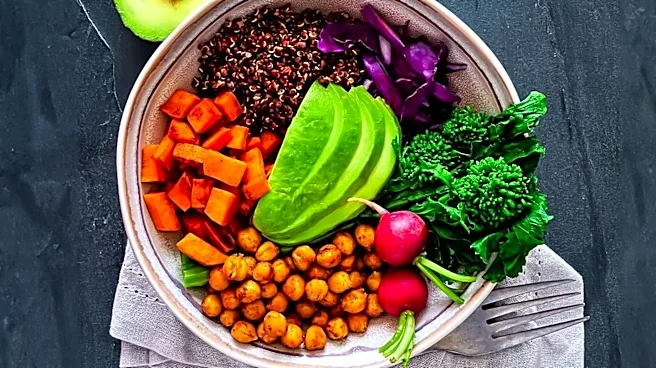
essential for the wider digestive system. Incorporating a diverse range of plant-based foods, fermented products like yogurt, kefir, miso, tempeh, sauerkraut, and kimchi, and polyphenol-rich ingredients can support a healthy gut microbiome. Many practitioners emphasize starting with basic rhythms such as regular meals, adequate hydration, and a consistent intake of plant foods before introducing more complex dietary changes. Gradual introduction of fiber is recommended to prevent discomforts like bloating, as sudden increases can lead to digestive issues.
Why It's Important?
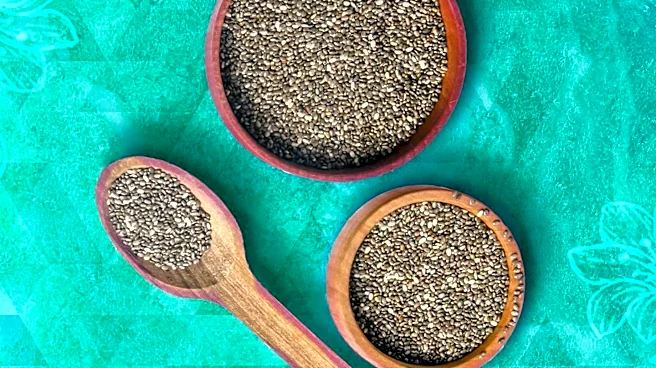
The gut microbiome plays a critical role in overall health, influencing digestion, nutrient absorption, and even the prevention or delay of chronic diseases like type 2 diabetes. Lifestyle interventions, particularly diet and physical activity, can significantly impact the composition and function of the gut microbiome. A healthy gut contributes to improved bowel regularity, reduced inflammation, and enhanced immune function. By focusing on fiber diversity from sources like legumes, vegetables, fruits, whole grains, nuts, and seeds, individuals can feed beneficial gut bacteria, which in turn produce short-chain fatty acids that strengthen the gut lining. This approach offers a practical and accessible way for individuals to take proactive steps in managing their health and well-being.
What's Next?
Individuals are encouraged to gradually integrate more fiber into their diets, starting with small amounts and increasing intake over time to allow the digestive system to adjust. Prioritizing hydration is also crucial when increasing fiber consumption to prevent constipation. Exploring traditional foodways and culturally rooted ferments can provide enjoyable and effective methods for gut support. For those with specific digestive concerns or chronic conditions, consulting with a healthcare provider or registered dietitian is advised before making significant dietary changes. The ongoing emphasis will likely be on personalized approaches to gut health, recognizing that individual responses to dietary interventions can vary.
Beyond the Headlines
The growing understanding of the gut microbiome highlights a shift towards holistic health approaches that integrate diet, lifestyle, and traditional wisdom. This perspective moves beyond quick fixes, emphasizing sustainable habits and a balanced ecosystem within the body. The ethical implications of gut health advice also come into play, with a focus on education and habit-building rather than fear-based messaging or dramatic promises. This encourages a collaborative relationship between individuals and health practitioners, where clients are empowered to observe their own bodies and make informed choices. The long-term impact could lead to a more preventative healthcare model, where daily routines and dietary choices are recognized as powerful tools for maintaining health and preventing disease.