



What's Happening?
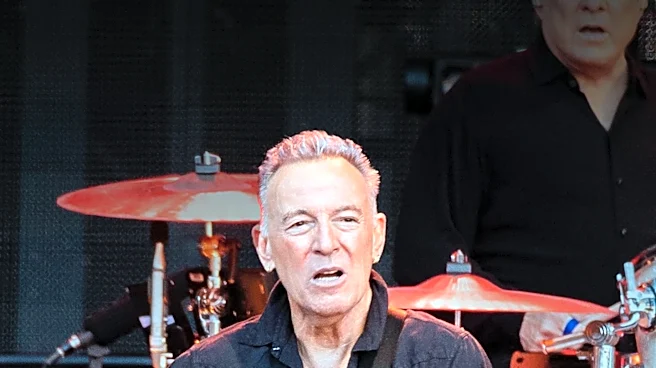
A new documentary titled "When the Walls Came Down" is in production, focusing on Bruce Springsteen and The E Street Band's historic 1988 concert in East Berlin. The film is a collaboration between Legendary Entertainment, Passion Pictures, and Sony Music
Vision. Nicholas de Taranto and Danielle Peck are co-directing and producing the documentary, with Oscar-winning director James Marsh ("Man on Wire") also attached to the project. The concert, held on July 19, 1988, at the Radrennbahn Weissensee, was a significant event, drawing an estimated 300,000 attendees, making it the largest concert of Springsteen's career. During the performance, Springsteen famously declared, "I’m not here for any government. I’ve come to play rock’n’roll for you in the hope that one day all the walls will be torn down." This statement is often cited as a pivotal moment preceding the fall of the Berlin Wall 16 months later. No release date or distribution plan for the documentary has been announced.
Why It's Important?
This documentary holds significant cultural and historical importance, as it revisits an event that many consider a catalyst for political change in East Germany. The film will explore the long-standing argument that Springsteen's concert, and his direct message against division, empowered East German youth and contributed to the eventual fall of the Berlin Wall. While historians acknowledge multiple factors for the 1989 events, the concert's impact on the morale and collective consciousness of East Germans is widely recognized. The involvement of acclaimed filmmakers like James Marsh suggests a serious examination of this historical claim, potentially offering new perspectives on the role of music and cultural events in political movements. For fans of Bruce Springsteen, it provides a definitive cinematic account of one of his most iconic performances and its broader implications.
What's Next?
The production of "When the Walls Came Down" will likely involve extensive archival research, interviews with concert attendees, organizers, historians, and potentially members of Springsteen's team. The filmmakers will need to navigate the historical debate surrounding the concert's influence on the fall of the Berlin Wall, presenting a nuanced narrative. Once completed, the documentary will seek distribution, potentially through streaming platforms or theatrical releases, given the involvement of major entertainment companies. The film's release will undoubtedly reignite discussions about the power of music as a tool for social and political commentary, and its reception will be closely watched by historians, music critics, and fans alike. The project also aligns with a broader trend of documentaries exploring significant cultural moments with political undertones.
Beyond the Headlines
The documentary's exploration of the 1988 East Berlin concert delves into the complex interplay between popular culture, political dissent, and historical memory. It raises questions about the extent to which a single cultural event can influence major geopolitical shifts. The film will likely examine the motivations of the East German authorities who initially sanctioned the concert as a 'pressure valve' for restless youth, only to have it become a platform for a message of freedom. Furthermore, the documentary could shed light on the collective memory of those who experienced the concert, and how such events are interpreted and reinterpreted over time. The project also highlights the enduring legacy of artists like Bruce Springsteen, whose work transcends entertainment to become part of historical narratives, prompting reflection on the responsibility and impact of public figures in times of political tension.