

What's Happening?
Kroenke Sports & Entertainment (KSE) has announced an estimated $135 million renovation project for Ball Arena in Denver, Colorado. The upgrades are designed to enhance the venue's comfort, accessibility, modernity, and fan-friendliness. Key aspects of
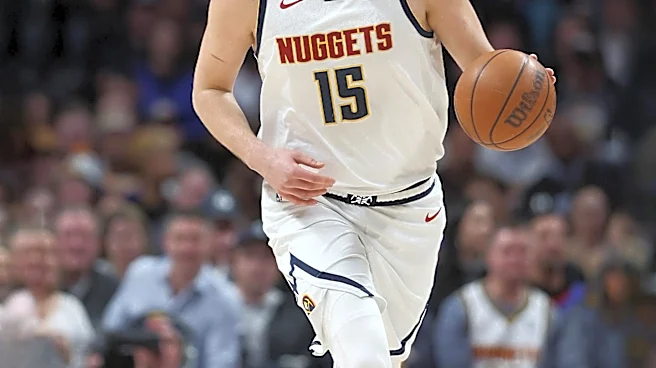
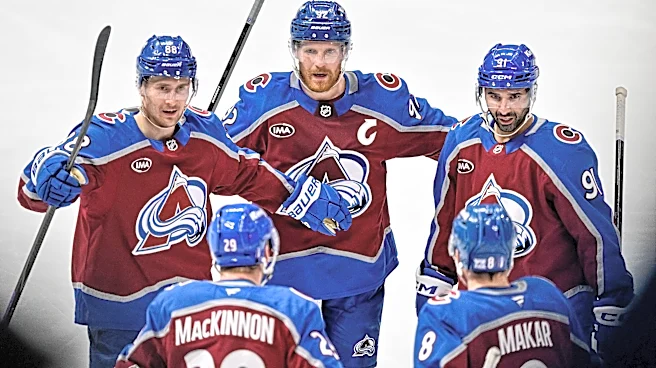
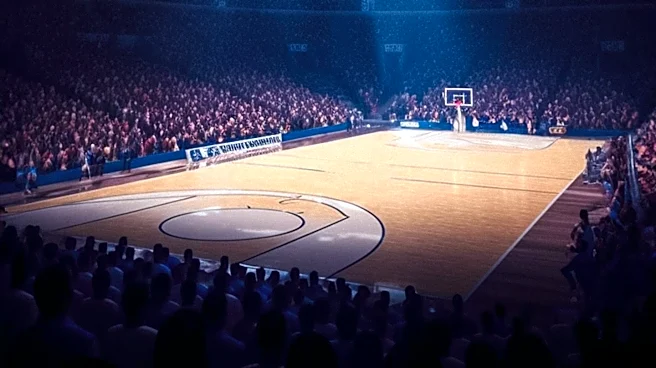
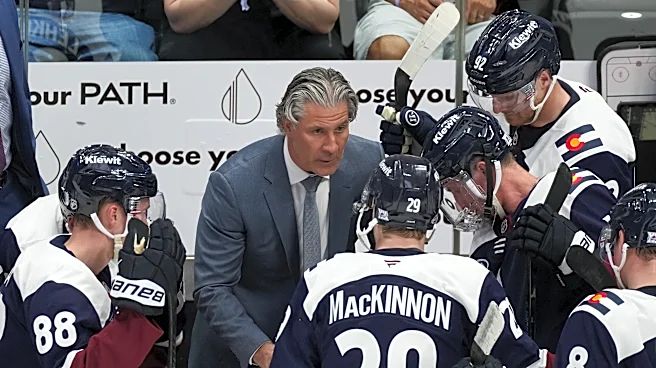
the renovation include an expansion of the East Atrium, which will feature new escalators and a new team shop. The project will be executed in phases, with full completion anticipated by the 2028-2029 season. These changes are expected to alleviate traffic in high-density areas of the arena and reduce wait times for attendees. Additionally, three new clubs will be introduced, one of which will offer direct access to reserved 100-level seating. These renovations follow previously announced upgrades to the arena's luxury suites, which are scheduled to open for the 2026-2027 season on the 100 and 200 levels. Ball Arena serves as the home for the NBA's Denver Nuggets, the NHL's Colorado Avalanche, and the NLL's Colorado Mammoth. KSE owner Stan Kroenke acquired the arena, the Nuggets, and the Avalanche in 2000, later bringing the Mammoth to Denver.
Why It's Important?
This significant investment by KSE underscores a commitment to maintaining Ball Arena as a premier sports and entertainment venue in Downtown Denver. The renovations aim to improve the fan experience, which is crucial for retaining and attracting attendees to live sporting events and concerts. By modernizing facilities and enhancing accessibility, KSE is positioning Ball Arena to compete with other top-tier venues across the country, ensuring it remains a desirable location for major touring acts and productions. For the Denver Nuggets, Colorado Avalanche, and Colorado Mammoth, these upgrades will provide a state-of-the-art home arena, potentially boosting team morale and fan engagement. The economic impact on Denver could also be substantial, as a world-class venue can draw more visitors, generate revenue for local businesses, and create jobs. The focus on reducing wait times and improving traffic flow addresses common pain points for event-goers, which can significantly enhance overall satisfaction and encourage repeat visits.
What's Next?
The renovation project will proceed in phases, with specific milestones anticipated over the next few years. The luxury suite upgrades are slated to open for the 2026-2027 season, providing an early look at the enhanced amenities. The broader renovations, including the East Atrium expansion and new clubs, are expected to be fully completed by the 2028-2029 season. During this period, fans and attendees can expect ongoing construction, though efforts will likely be made to minimize disruption to events. KSE Vice Chairman Josh Kroenke has stated that the project's outcome will be a 'world-class venue' offering a 'legendary guest experience.' This suggests that KSE will continue to monitor progress and potentially announce further details or features as the project advances. The success of these renovations could influence future investment decisions in other KSE properties or inspire similar upgrades in other sports and entertainment venues nationwide.
Beyond the Headlines
The substantial investment in Ball Arena reflects a broader trend in the sports and entertainment industry where venue modernization is critical for competitiveness. As fan expectations evolve, driven by technological advancements and enhanced home viewing experiences, arenas must offer unique and compelling in-person experiences. This renovation goes beyond mere aesthetics, focusing on practical improvements like traffic flow and accessibility, which are essential for large-scale public venues. The creation of new premium clubs also highlights the growing demand for exclusive, high-end experiences within sports arenas, catering to a segment of the audience willing to pay more for enhanced comfort and service. This strategic move by KSE could set a new standard for arena renovations in the region, influencing how other venue owners approach upgrades and fan engagement in an increasingly competitive market. It also underscores the long-term commitment of ownership to their teams and the city of Denver, signaling stability and continued investment in the local sports landscape.