





What's Happening?
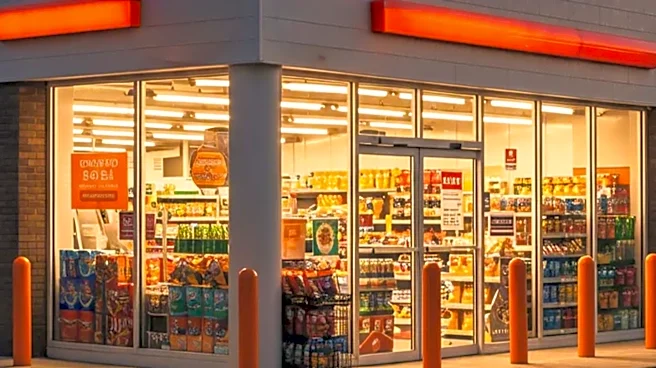
7-Eleven, a global convenience retail company headquartered in Irving, Texas, is actively offering franchise opportunities across the United States. The company, part of Seven & i Holdings, one of the world's largest retail groups, introduced the modern
convenience store concept and is known for its 24/7 operating model and products like Slurpee beverages. Unlike traditional franchise models that typically charge a percentage-based royalty, 7-Eleven utilizes a gross profit-sharing structure, where franchisees and the company divide profits generated from store operations. These opportunities are available for both single-store and multi-unit operations, providing entrepreneurs with an established brand, supply chain, technology platform, and operational support system.
Why It's Important?
The expansion of 7-Eleven's franchise model in the U.S. is significant for the retail sector and aspiring business owners. By offering a gross profit-sharing structure, 7-Eleven aims to attract a broader range of entrepreneurs, potentially lowering the initial financial barrier compared to traditional royalty models. This approach could foster more small business growth and local job creation across various communities. For Seven & i Holdings, this strategy reinforces its market presence in the U.S., leveraging its established brand recognition and operational efficiencies. The company's support system, including training, merchandising assistance, and financing options, particularly for qualified U.S. veterans, underscores its commitment to expanding its network and supporting its franchisees.
What's Next?
7-Eleven is expected to continue its efforts to recruit qualified entrepreneurs for its franchise system across the U.S. The company's focus on providing comprehensive support, including training and financing, suggests a sustained push for growth in its store count. The offer of up to 20% off the initial franchise fee for qualified U.S. veterans, with savings capped at $50,000, along with up to 65% financing, indicates a targeted approach to attract specific demographics of potential franchisees. This ongoing expansion will likely lead to an increased number of 7-Eleven stores, further solidifying its position in the U.S. convenience retail market and potentially influencing local retail landscapes.
Beyond the Headlines
The franchise model employed by 7-Eleven, particularly its gross profit-sharing structure, represents an interesting deviation from standard industry practices. This model could serve as a case study for other large retail groups looking to expand their footprint while mitigating some of the financial risks for franchisees. The emphasis on supporting U.S. veterans through financial incentives also highlights a broader trend of corporations engaging in initiatives that combine business growth with social responsibility. This approach not only helps veterans transition into entrepreneurship but also enhances the brand's public image and potentially fosters a more diverse franchisee base. The long-term success of this model could influence how other major retail franchises structure their agreements in the future.