





What's Happening?
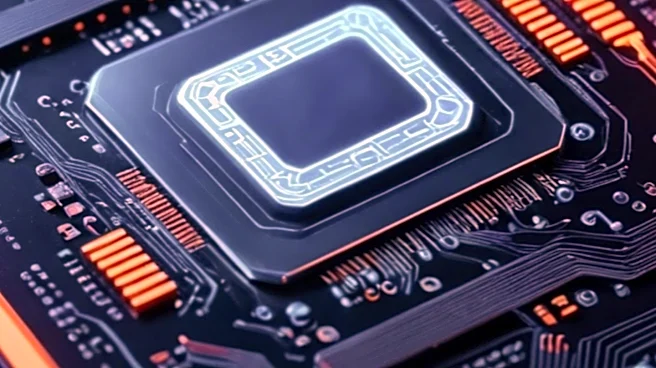
Ethereum co-founder Vitalik Buterin has advocated for increased verifiability in computer chips, citing growing security concerns within the hardware wallet sector. In a recent blog post, Buterin highlighted that most commercial open-source chips lack
sufficient detail for their physical construction to be properly verified. He distinguished between publishing a chip's programmed functions and providing a blueprint for physical inspection, emphasizing that the latter is crucial for security. Buterin noted that the cryptocurrency industry has already experienced attacks involving the insertion of spy implants into hardware wallets before they reach consumers. He warned that future attacks could involve malicious functions embedded in lookalike chips, making detection significantly more challenging. This concern is underscored by recent incidents where malicious implants in devices sold through resellers, such as CryptoBilis, compromised recovery phrases, leading to actions by companies like Ledger and Trezor to tighten distribution and issue firmware updates.
Why It's Important?
Buterin's call for verifiable chips is critical for the security and trustworthiness of hardware wallets, which are essential for safeguarding digital assets in the cryptocurrency ecosystem. The increasing sophistication of hardware-level attacks, such as the insertion of spy implants, poses a significant threat to individual users and the broader crypto industry. If hardware wallets cannot be reliably verified, users face the risk of losing their digital assets to undetectable tampering. This issue extends beyond individual users, impacting the credibility of hardware wallet manufacturers and potentially hindering the mainstream adoption of cryptocurrencies. The proposed solution of enhanced verifiability could establish a new standard for hardware security, fostering greater confidence in digital asset storage and transactions. Without such measures, the evolving threat landscape could lead to more widespread financial losses and erode trust in the underlying technology.
What's Next?
Buterin suggests that inspecting chips will likely remain a specialized task for professional auditors, journalists, and civil society groups, even with fully open-source hardware designs. He envisions a future where the hardware industry might bifurcate into performance-optimized hardware and security-focused hardware. While secure hardware might be less efficient, it would still be adequate for most everyday applications. This potential split could drive innovation in security-centric chip design and manufacturing. Hardware wallet companies and chip manufacturers may need to collaborate to develop and implement more transparent and verifiable production processes. Regulatory bodies might also consider establishing standards for hardware security and verifiability, especially as digital assets become more integrated into the financial system. The ongoing evolution of hardware threats will necessitate continuous research and development in countermeasures and verification technologies.
Beyond the Headlines
The implications of Buterin's proposal extend to the broader concept of digital trust and the democratization of computation. By advocating for open and verifiable hardware, Buterin touches upon the fundamental principle that users should have the ability to inspect and trust the tools they use, especially those handling sensitive data. This push for transparency in hardware design challenges the traditional closed-source model prevalent in much of the tech industry. It highlights an ethical dimension where user security and autonomy are prioritized over commercial pressures for efficiency and proprietary control. The long-term shift could lead to a more secure and resilient digital infrastructure, not just for cryptocurrencies but for all forms of computation where hardware integrity is paramount. This could also foster a more collaborative environment between hardware developers, security researchers, and the open-source community, ultimately benefiting end-users by reducing vulnerabilities at the foundational level of technology.