



What's Happening?
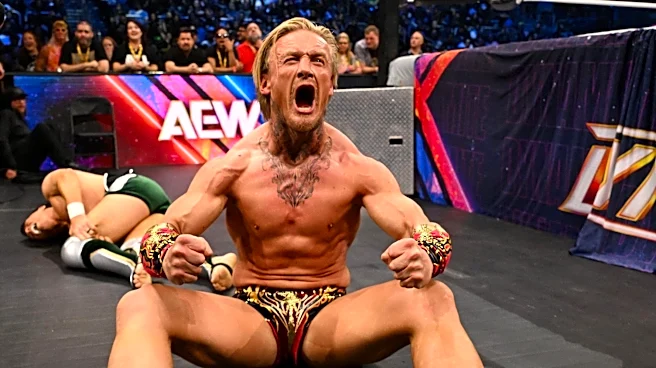
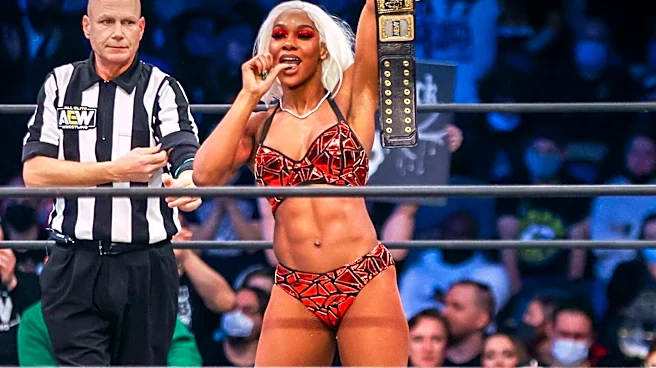
All Elite Wrestling (AEW) booking rules are reportedly creating challenges for independent wrestling promotions, leading to a difficult period for the indie scene. According to Dave Meltzer on 'Wrestling Observer Radio,' two promotions, including Cleveland's
Absolute Intense Wrestling, have paused operations and canceled events until next year. Before AEW's emergence, prominent wrestlers like The Young Bucks, Will Ospreay, Ricochet, Keith Lee, and Bandido frequently worked indie shows, significantly boosting attendance and revenue for local promoters. However, many of these talents are now signed to major promotions like WWE or AEW, making them less available for independent bookings. Additionally, AEW President Tony Khan's requirement to approve any losses for AEW talent on independent shows further complicates bookings, as he aims to protect his stars' credibility.
Why It's Important?
This situation highlights a significant shift in the professional wrestling ecosystem, particularly impacting the developmental and regional circuits in the U.S. Independent promotions traditionally served as crucial training grounds and platforms for emerging talent, as well as a source of entertainment for local fan bases. The reduced availability of top-tier independent talent, now signed to major promotions, diminishes the drawing power of indie shows. Furthermore, the stringent booking rules, such as AEW's approval process for talent losses, limit the creative freedom and flexibility of independent promoters. This can lead to financial strain and, as seen with Absolute Intense Wrestling, force promotions to suspend operations, potentially stifling the growth of new talent and reducing the diversity of wrestling offerings for fans across the country.
What's Next?
The independent wrestling scene may need to adapt by focusing more on local talent development and cultivating regional fan bases, rather than relying on flying in established stars. Promoters might explore new business models that are less dependent on high-cost talent and more on community engagement. For AEW, the current booking strategy is likely to continue as it prioritizes the protection and presentation of its contracted talent. This could lead to a more distinct separation between major and independent wrestling, with fewer crossover appearances. The long-term impact could be a more localized and grassroots independent scene, or a continued struggle for smaller promotions to remain viable in a landscape dominated by well-funded national organizations.
Beyond the Headlines
The evolving relationship between major promotions like AEW and the independent circuit raises questions about talent development pipelines and the future of wrestling as a whole. While major promotions offer financial stability and broader exposure for wrestlers, the independent scene provides invaluable experience and creative freedom that can be essential for honing skills and developing unique personas. If the independent scene continues to shrink, it could impact the diversity of wrestling styles and the pool of talent available for future recruitment by larger companies. This dynamic also reflects broader trends in entertainment, where consolidation of talent under major labels can inadvertently squeeze out smaller, independent creators, potentially leading to a more homogenized product in the long run.