
What's Happening?
The World Dairy Expo is pursuing a significant redevelopment project for the Alliant Energy Center in Madison, Wisconsin, aiming to modernize the facility and accommodate the event's growing needs. The proposed
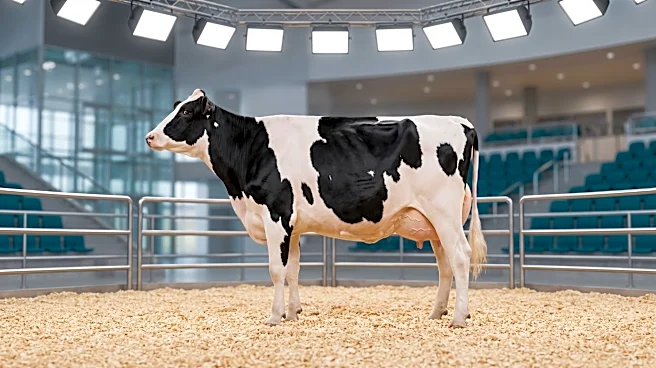
$200 million plan includes a 50,000-square-foot expansion of the Exhibition Hall, 19 new meeting rooms, a 30,000-square-foot ballroom, a multipurpose event space, a year-round bistro, and a new hotel with approximately 200 rooms. The project also entails a complete reimagining of the 59-year-old Coliseum, with upgrades focused on accessibility, visitor experience, and event flexibility. Agricultural events will benefit from targeted improvements such as a new ring road for large vehicles and livestock trailers, a new show ring, and a renovated Coliseum for animal exhibitions. World Dairy Expo General Manager Laura Herschleb, Board President Bill Hageman, Alliant Energy Center Executive Director Kevin Scheibler, and Dane County Executive Melissa Agard discussed how this redevelopment would enhance the campus's role as a global agricultural destination. The partnership between World Dairy Expo and the Alliant Energy Center dates back to 1967, and the expo's expansion has increasingly strained the current facilities, necessitating temporary tents for cattle and trade centers.
Why It's Important?
This redevelopment project is crucial for the continued growth and competitiveness of the World Dairy Expo, a premier global gathering for the dairy industry. By expanding and modernizing the Alliant Energy Center, the project aims to solidify the expo's position as a leading forum for learning, commerce, and competition within the dairy community. The current infrastructure limitations, such as the lack of elevators and escalators in the Coliseum and insufficient meeting space, have restricted the expo's ability to grow and meet demand. The proposed upgrades will not only address these issues but also attract other large events, as 15 of the top 20 events at the Alliant Energy Center have outgrown the existing space. This investment will ensure the facility remains competitive for the next 30 years, benefiting Dane County's economy and reinforcing its status as a significant agricultural hub. The project also highlights the importance of infrastructure investment in supporting key industries and regional economic development.
What's Next?
The County Board of Supervisors must still approve funding for certain aspects of the redevelopment plan, including the Exhibition Hall expansion. County officials are also actively collaborating with the governor's office to secure additional financial support for the project. While construction timelines are still under development, planners are evaluating temporary facilities to serve as a show ring during the Coliseum renovations. The project's approval would mark one of the most substantial investments in the Alliant Energy Center's history, creating new opportunities for the World Dairy Expo and other major events. Beyond the physical infrastructure, planners envision a campus experience that will further highlight agriculture's importance to Dane County through public art, historical exhibits, and educational features. The ongoing discussions and approvals will determine the timeline and full scope of this modernization effort.
Beyond the Headlines
The proposed redevelopment of the Alliant Energy Center extends beyond mere infrastructure upgrades; it represents a strategic commitment to the future of the dairy industry and agricultural events in the U.S. The emphasis on creating a more modern and accessible venue reflects evolving expectations for event facilities, where enhanced visitor experiences and flexible spaces are paramount. This initiative also underscores the broader trend of regional economic development through specialized industry events. By investing in a facility that can host a wider array of events and accommodate larger crowds, Dane County is positioning itself as a critical center for agricultural innovation and commerce. The project's focus on integrating public art and educational features also suggests a deeper ambition to connect the public with the agricultural heritage and future of the region, fostering a greater appreciation for the industry's contributions.