

What's Happening?
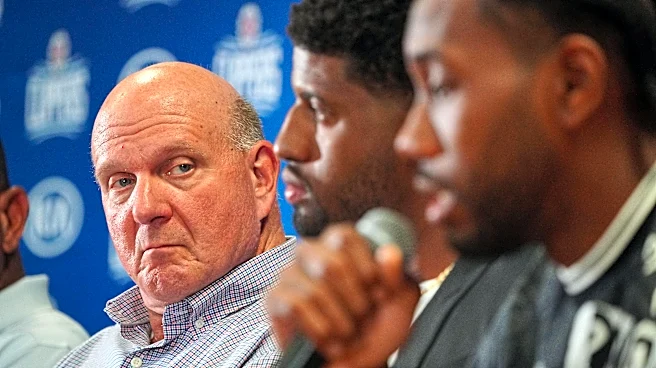
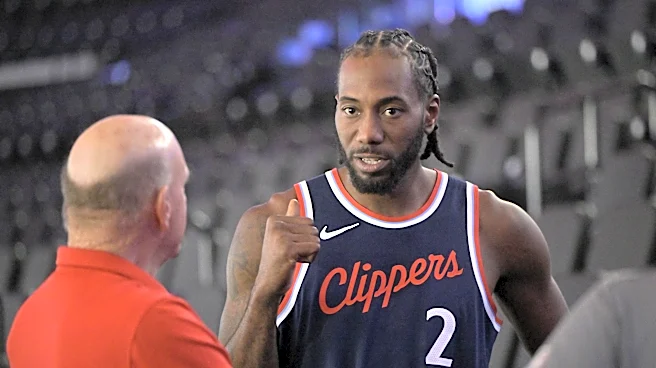
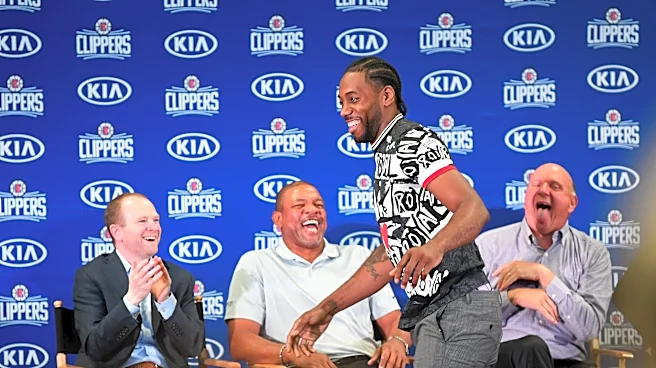
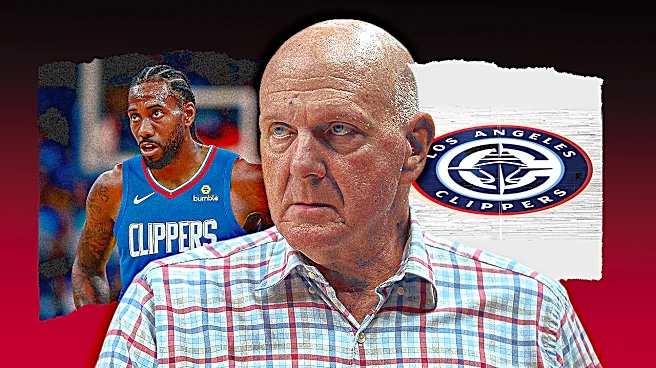
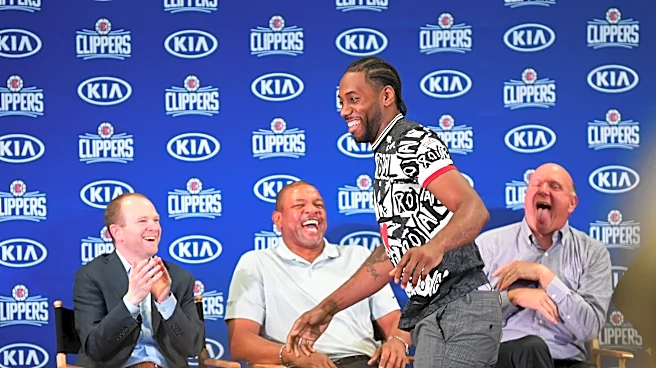
The NBA has announced severe penalties against the Los Angeles Clippers and their owner, Steve Ballmer, for circumventing the salary cap. This decision follows a year-long investigation into the team's dealings involving former star Kawhi Leonard. The league
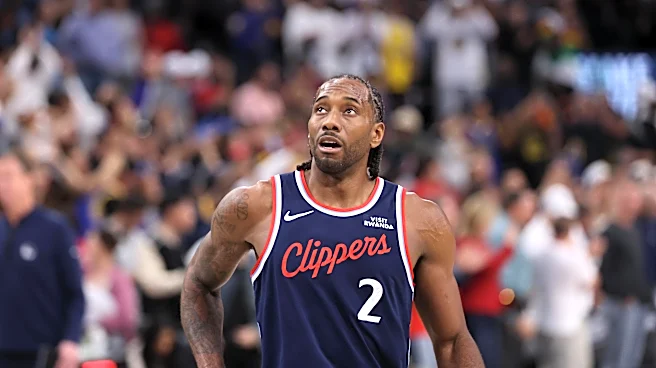
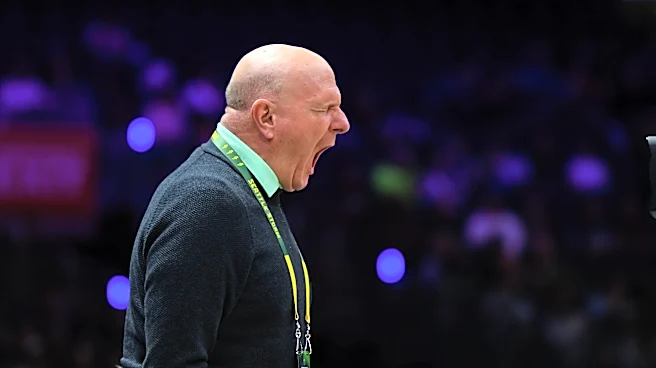
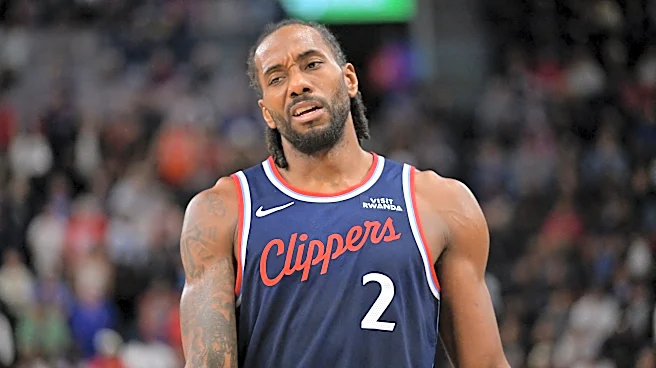
found a 'pattern of misconduct and multiple significant rules violations' by the Clippers organization. As a result, Ballmer has been fined $30 million and suspended from all team and league activities for one year. The Clippers will also forfeit five first-round draft picks from 2029 through 2033. Additionally, Gillian Zucker, Clippers president of business operations, is suspended without pay for one year, and Lawrence Frank, president of basketball operations, is suspended without pay for six months. Kawhi Leonard himself received a $700,000 fine. The NBA Commissioner, Adam Silver, stated that the severity of the penalties reflects the seriousness of the violations, emphasizing that circumventing the salary cap is a betrayal of trust against other owners. The Clippers organization has stated its intention to challenge these findings and penalties.
Why It's Important?
This ruling is a significant moment for the NBA, demonstrating the league's willingness to hold even its wealthiest owners accountable. Steve Ballmer, a billionaire and former Microsoft CEO, is the richest owner in the NBA, and the harsh penalties signal that no owner is above the league's rules. The decision reinforces the integrity of the salary cap system, which is designed to maintain competitive balance across teams by preventing super-wealthy teams from large markets from unfairly dominating. This case highlights the ongoing tension between player empowerment and ownership accountability, shifting the focus from player-centric narratives to the ethical responsibilities of team owners. The penalties, particularly the loss of multiple first-round draft picks, will have a long-term impact on the Clippers' ability to acquire talent and remain competitive, potentially altering the landscape of the Western Conference for years to come. It also sets a precedent for how the league might address similar violations in the future, potentially leading to increased scrutiny of team dealings and a more level playing field.
What's Next?
The Los Angeles Clippers and Steve Ballmer are expected to challenge the NBA's ruling through legal avenues, potentially leading to a prolonged legal battle. Despite their stated intention to 'vigorously challenge these findings and penalties,' experts suggest that the evidence against them is substantial, making a successful appeal difficult. During Ballmer's one-year suspension, he will be unable to participate in any team or league activities, including attending games at the Intuit Dome. The Clippers will also need to navigate the implications of losing five future first-round draft picks, which will significantly impact their long-term team building and player acquisition strategies. There is speculation that if the Clippers accept the reality of the situation and demonstrate good conduct, the league might consider reducing some of the penalties, similar to a past instance with the Minnesota Timberwolves. However, this remains uncertain, and the immediate focus will be on the legal challenges and the team's efforts to remain competitive under the imposed sanctions.
Beyond the Headlines
This case delves into deeper implications concerning the ethics of capitalistic billionaires in sports and the balance of power within professional leagues. The controversy surrounding Ballmer's actions and the NBA's response brings to light the potential for hubris among wealthy owners who may believe their financial power allows them to operate outside established rules. The disparity in punishment between Ballmer and Kawhi Leonard, with the owner facing far more severe consequences, underscores a shift towards holding ownership more accountable. This incident also highlights the critical role of investigative journalism, as the initial reporting by Pablo Torre was instrumental in uncovering the salary cap circumvention, validating independent media's ability to challenge powerful institutions. The long-term impact could extend beyond the NBA, influencing how other professional sports leagues address similar issues of financial impropriety and owner conduct, potentially leading to a broader re-evaluation of governance and accountability in professional sports.