
What's Happening?
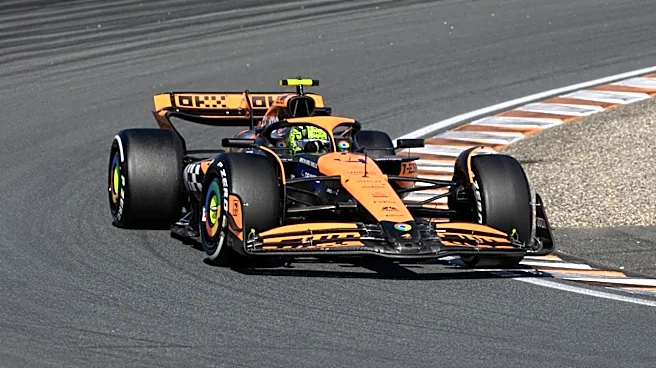
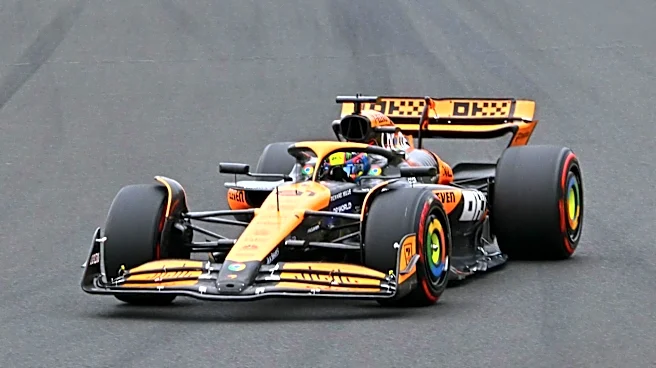
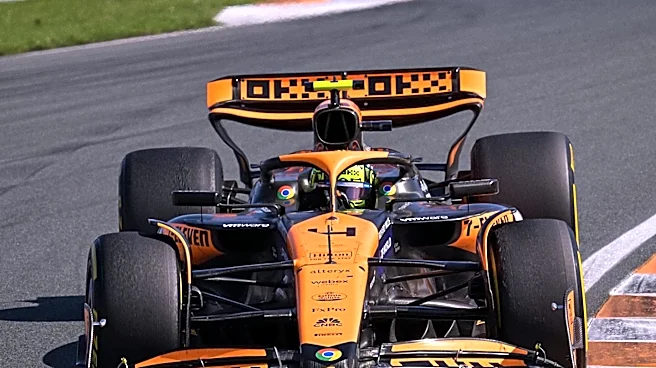
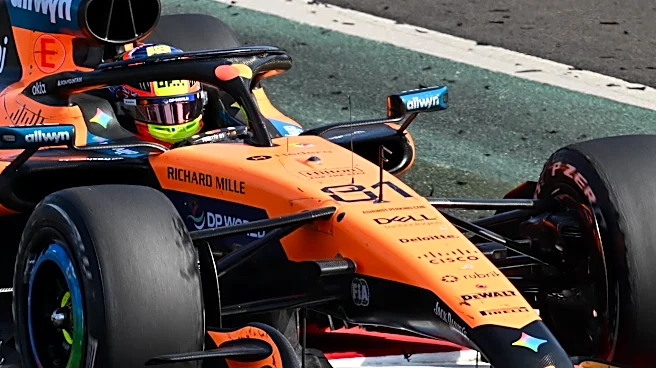
Oscar Piastri, a McLaren driver, will start the Formula 1 São Paulo Grand Prix from 10th position after a challenging wet-weather qualifying session at Interlagos. Piastri was eliminated in Q2, finishing
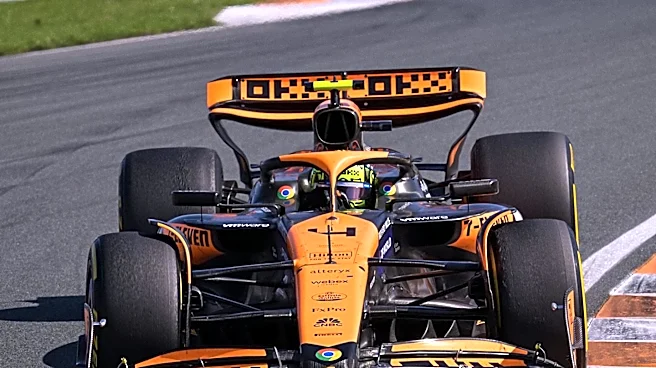
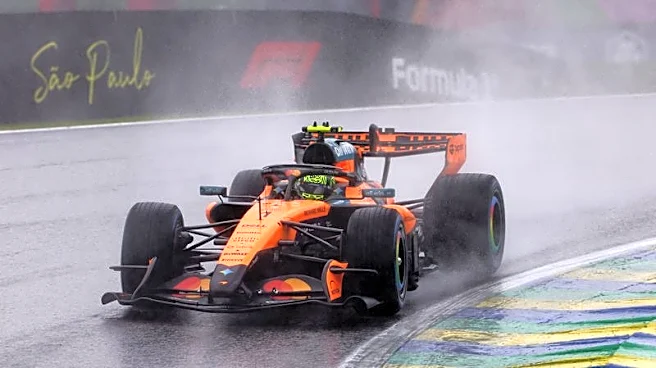
12th fastest, and believes his team's decision to switch to intermediate tires came too late. The qualifying session was marked by fluctuating weather conditions, including torrential rain at the start of Q1, leading to an 84-minute delay. Conditions improved throughout Q1 and Q2, but heavy rain returned at the end of Q3. Piastri noted that he needed more laps to get temperature into the intermediate tires and adjust his driving lines, which differed significantly from those used on full wet tires. A red flag triggered by Rafael Camara's crash also prevented him from getting a final lap, though Piastri primarily attributed his Q2 exit to the timing of the tire change. His teammate, Lando Norris, secured pole position for the race.
Why It's Important?
This event highlights the critical role of strategic decision-making, particularly tire management, in Formula 1 racing, especially under unpredictable weather conditions. For McLaren, Piastri's Q2 exit contrasts sharply with Lando Norris securing pole position, underscoring the fine margins that separate success from disappointment in competitive motorsport. Piastri's performance in qualifying could impact McLaren's overall constructor points in the championship, as starting further down the grid makes it more challenging to score significant points. The incident also emphasizes the pressure on race strategists to make instantaneous and correct calls in rapidly changing environments, directly affecting a driver's race outcome and team standings. For Piastri, consecutive Q2 exits in different conditions could put pressure on his performance consistency, a key factor in a driver's career trajectory in F1.
What's Next?
Oscar Piastri will start the Brazilian Grand Prix from 10th place, benefiting from penalties applied to other drivers. The forecast for Grand Prix Sunday indicates a continued threat of rain, which Piastri anticipates will make the race 'very, very challenging.' His performance in the race will depend on his ability to navigate these conditions and potentially make up positions from his starting grid slot. The team will likely review the qualifying strategy to understand any missteps and refine their approach for future races, especially those with variable weather. Piastri expressed confidence in the car's performance in dry conditions, suggesting that a dry race might offer a better opportunity for him to advance. The outcome of the race will be crucial for McLaren's standing in the Constructors' Championship and for Piastri's individual performance metrics.
Beyond the Headlines
The incident in Brazilian Grand Prix qualifying extends beyond a simple racing outcome, touching upon the psychological aspects of high-stakes competition and the intricate relationship between driver and team strategy. Piastri's candid assessment of the late tire change points to the constant tension between driver feedback, real-time data, and strategic calls made from the pit wall. This scenario often leads to post-race analyses that can influence team dynamics and future decision-making protocols. Furthermore, the unpredictable nature of weather in motorsport, as seen in Interlagos, underscores the inherent element of chance that can dramatically alter competitive landscapes, testing the adaptability of both human and technological systems. Such events contribute to the narrative of Formula 1 as a sport where human skill, technological prowess, and strategic foresight must converge perfectly for success.