







What's Happening?
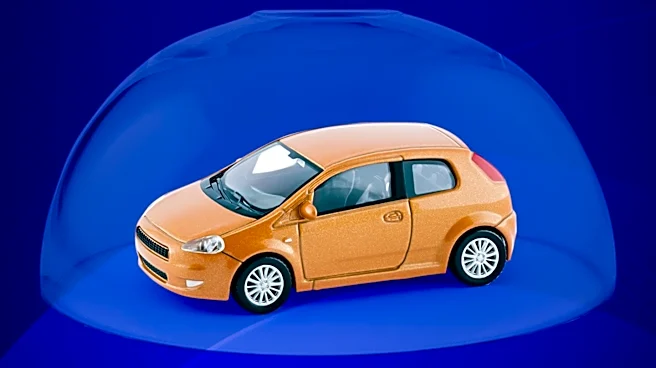
Guaranteed Asset Protection (GAP) insurance is designed to cover the financial gap that can arise when a vehicle is totaled or stolen. In such events, standard auto insurance typically pays out the vehicle's actual cash value, which can be significantly
less than the remaining balance on a loan or lease, especially for new vehicles that depreciate rapidly. GAP insurance bridges this difference, preventing the owner from being liable for a car they no longer possess. It is often recommended for individuals who make small down payments, have long loan terms (60 months or more), lease their vehicles, or roll negative equity from a previous loan into a new one. GAP insurance usually needs to be purchased at the time of financing or leasing.
Why It's Important?
GAP insurance is crucial for many U.S. car owners because vehicle depreciation can quickly outpace loan payoff, leaving owners in a financially vulnerable position after a total loss. Without GAP insurance, an individual could be forced to continue making payments on a vehicle that is no longer usable, while also needing to finance a replacement. This can lead to significant financial strain and potentially impact credit scores. By covering the difference between the insurance payout and the loan balance, GAP insurance provides essential financial protection, ensuring that consumers are not burdened with debt for a non-existent asset. This protection is particularly relevant in a market where vehicle prices are high and loan terms are often extended.
What's Next?
Consumers considering financing or leasing a vehicle should evaluate their need for GAP insurance, especially if their down payment is low or their loan term is long. It is advisable to compare GAP insurance options from both dealerships and independent insurers, as pricing and terms can vary. Since many providers require GAP coverage to be added at the time of financing, prospective buyers should make this decision before driving off the lot. Understanding the specific exclusions of a GAP policy, such as overdue payments or extended warranties, is also important to avoid unexpected liabilities. Regular review of the loan balance versus the vehicle's market value can help determine if GAP insurance is still necessary as the loan matures.
Beyond the Headlines
The prevalence of GAP insurance highlights a broader economic reality: the rapid depreciation of new vehicles and the common practice of financing a large portion of their cost. This situation reflects consumer preferences for newer, more expensive vehicles and the financial structures that enable these purchases. The need for GAP insurance also points to the potential for consumers to be 'upside down' on their loans, owing more than the vehicle is worth, which can create a cycle of debt if not managed properly. This product, while offering protection, also underscores the financial risks associated with vehicle ownership and financing, prompting questions about sustainable consumer debt levels and the long-term economic implications for individuals and the automotive industry. It also emphasizes the importance of financial literacy in understanding the true cost and risks associated with major purchases.