

What's Happening?
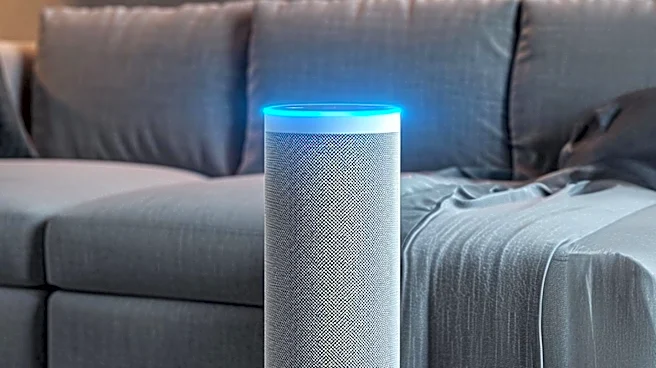
Zillow's 2027 Home Trends Report indicates a significant increase in mentions of AI-powered features in for-sale listings, with AI mentions up 119% and app-controlled home systems rising 34%. This highlights a growing trend towards smarter homes equipped
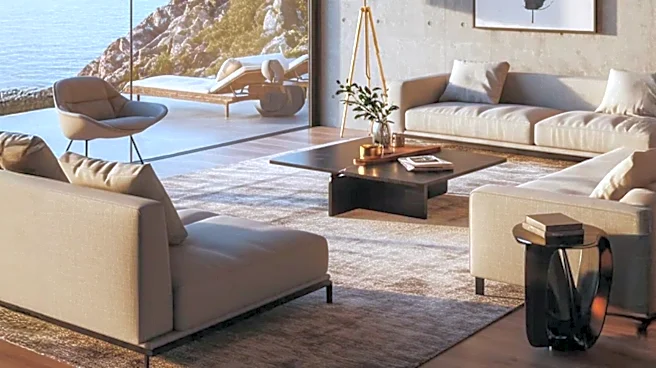
with AI-powered appliances. Concurrently, the report also notes a 34% increase in mentions of 'digital detox' spaces, suggesting a dual desire among homebuyers for both advanced technology and areas to unplug. Amanda Pendleton, Zillow's home trends expert, describes 'digital detox' as the 'new luxury,' indicating that buyers seek tech-free zones where nothing requires charging. Other notable trends include an 84% increase in 'color-drenched' rooms, a 58% rise in mentions of 'multigenerational living,' and significant growth in home offices (up 42%) and spa-inspired bathrooms (up 60%).
Why It's Important?
These findings from Zillow's 2027 Home Trends Report are crucial for understanding evolving consumer preferences in the U.S. housing market. The surge in AI and app-controlled features signals a growing demand for integrated smart home technology, influencing how homes are marketed and valued. This trend impacts real estate developers, appliance manufacturers, and technology companies, pushing them to innovate and cater to tech-savvy buyers. Simultaneously, the rise of 'digital detox' spaces reflects a societal need for balance, indicating that while technology is embraced, there's also a desire for mental and physical respite from constant connectivity. This dual demand presents a unique challenge and opportunity for home design and marketing, requiring a blend of high-tech integration and serene, unplugged environments. The increase in multigenerational living and home offices also underscores demographic shifts and changing work patterns, influencing housing inventory and design.
What's Next?
The trends identified in Zillow's report suggest that future home designs and real estate marketing strategies will increasingly focus on a hybrid approach: integrating advanced smart technology while also emphasizing spaces for relaxation and disconnection. Real estate agents and sellers will likely highlight both AI-powered amenities and 'digital detox' zones to appeal to a broader range of buyers. The continued growth of multigenerational living will drive demand for flexible floor plans and features that accommodate diverse age groups. Home offices and flex spaces will remain critical, reflecting the lasting impact of remote work. For the smart home industry, this means a continued push for intuitive, seamlessly integrated AI solutions that enhance daily life without overwhelming it, alongside a recognition of the value of simplicity and tranquility in certain areas of the home. These trends will shape residential development and interior design for the foreseeable future.
Beyond the Headlines
The simultaneous rise of AI-powered homes and 'digital detox' spaces reveals a deeper cultural tension in the U.S.: the desire for technological advancement versus the need for human well-being and mental health. This trend highlights a growing awareness of the potential downsides of constant digital engagement and the importance of creating boundaries within the home. It suggests a more nuanced approach to technology adoption, where convenience is sought, but not at the expense of peace and quiet. This could lead to innovations in 'smart' features that are designed to be unobtrusive or even invisible, allowing technology to serve without dominating. Furthermore, the emphasis on 'digital detox' could foster a market for products and services that promote mindfulness and disconnection, creating new opportunities for industries focused on wellness and experiential living within the home environment.