
What's Happening?
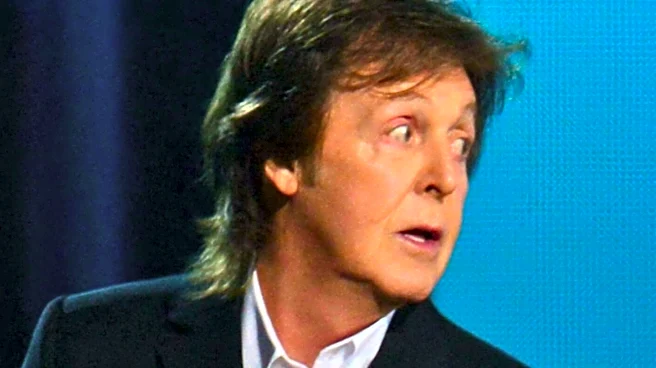
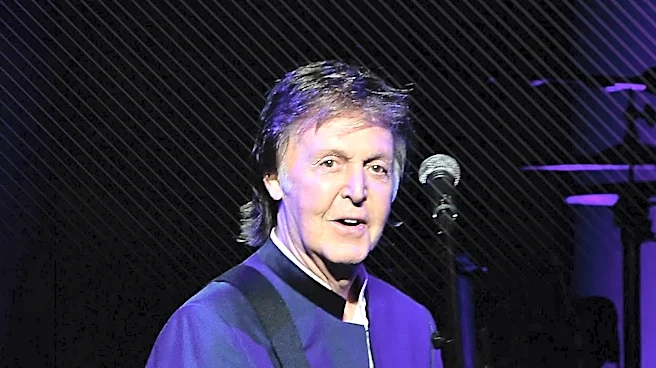
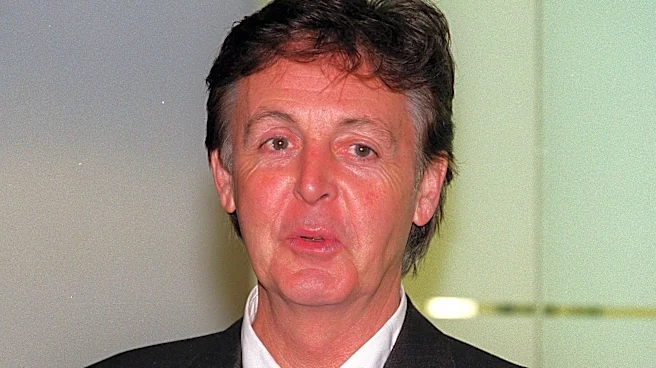
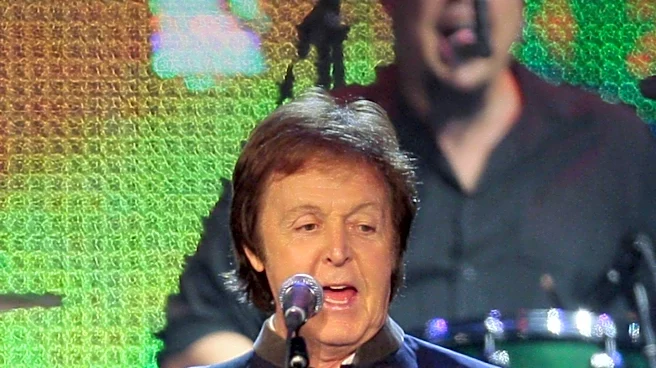
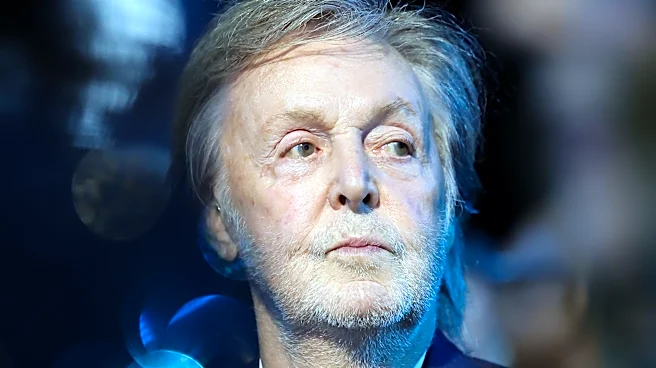
Paul McCartney, a member of The Beatles, has officially become a billionaire, with his net worth estimated at $1.4 billion by Forbes, CNN, and other major news outlets. This achievement places him as the world's
third-richest musician, behind hip-hop mogul Jay-Z ($2.8 billion) and pop icon Taylor Swift ($2 billion). McCartney, who is 84, built his fortune over more than six decades through songwriting, performing, and pioneering the management of music intellectual property (IP). His financial success is significantly bolstered by annual royalties from The Beatles' catalog, estimated to exceed $10 million, and his independent music publishing company, MPL Communications, founded in 1969. MPL Communications has acquired rights to various historic recordings, including Broadway musicals like 'Grease' and 'Annie,' and holiday standards such as 'It’s Beginning to Look a Lot Like Christmas' and 'Baby, It’s Cold Outside.' Additionally, his extensive art collection, featuring works by masters like Pablo Picasso and René Magritte, has contributed to his growing assets.
Why It's Important?
McCartney's entry into the billionaire club highlights the enduring financial power of music intellectual property and strategic asset management within the entertainment industry. His success demonstrates that a long-term vision for managing creative works, beyond just performance and songwriting, can lead to substantial wealth accumulation. This trend is significant for artists and creators, underscoring the importance of retaining ownership and control over their catalogs. For the music industry, it reinforces the value of established artists and their back catalogs as consistent revenue generators, even in an evolving digital landscape. The diversification of his portfolio, including an art collection, also illustrates a broader financial strategy that successful individuals in the entertainment sector often employ to secure and grow their wealth. This achievement could inspire other artists to focus on comprehensive IP management and diverse investment strategies.
What's Next?
McCartney's continued financial success is likely to further solidify his legacy as not only a musical icon but also a shrewd businessman. His model of managing music IP through MPL Communications could serve as a blueprint for future generations of artists looking to maximize their earnings and secure their financial futures. The ongoing revenue from his extensive catalog and acquired rights will continue to generate significant income, ensuring his position among the wealthiest musicians. As the music industry continues to evolve with new technologies and distribution methods, the value of established IP, particularly from legendary artists, is expected to remain robust. This could also lead to increased interest in catalog acquisitions and IP management strategies across the entertainment sector.
Beyond the Headlines
McCartney's journey from a working-class background in Liverpool to becoming a billionaire underscores the transformative power of talent combined with astute business acumen. His story transcends mere financial success, reflecting a broader cultural impact where artistic creations can generate enduring economic value. The strategic acquisition of rights to other works, like Broadway musicals and holiday songs, highlights a less obvious but highly effective method of wealth generation in the creative industries. This approach not only diversifies income streams but also preserves and monetizes cultural heritage. His art collection further illustrates how cultural capital can be converted into significant financial assets, blurring the lines between artistic passion and investment strategy. This development could prompt a deeper examination of how artists can leverage their creative output for long-term financial stability and influence.