




What's Happening?
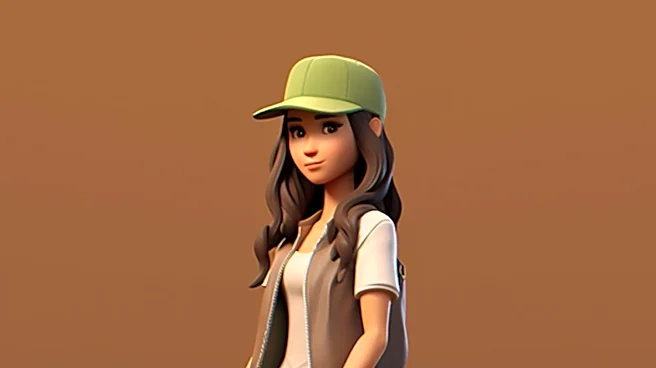
Runway AI's Gen-4 and Gen-4.5 models are providing significant advancements in AI video generation, particularly in maintaining multi-scene character consistency. This means that characters generated in one video clip can retain the same facial features,
clothing, and overall appearance in subsequent clips, a crucial development for narrative content creation. The platform offers various features, including text-to-video, image-to-video, and video-to-video editing, alongside AI upscaling to 4K. While Runway's own models support a maximum single-generation video length of 10 seconds, third-party models available on the platform, such as Seedance 2.0, can extend this to 15 seconds. Longer video sequences necessitate stitching multiple generated clips together in post-production. The platform is cloud-based, removing hardware barriers for creators, and offers a range of pricing tiers from a free plan to custom-priced enterprise solutions.
Why It's Important?
This advancement in character consistency is particularly important for U.S. creators in the film, advertising, and digital content industries. The ability to maintain a character's appearance across multiple scenes significantly streamlines the production of narrative content, reducing the time and resources traditionally required for animation or live-action shoots. For independent filmmakers and small studios, this technology democratizes access to high-quality video production, allowing them to create professional-grade content without extensive budgets or specialized hardware. The cloud-based nature of Runway AI further lowers the entry barrier, enabling a wider range of creators to utilize advanced AI tools. However, the credit-based system and the need to stitch together short clips for longer sequences could pose challenges for users with inconsistent production needs or those aiming for extended, seamless video content.
What's Next?
The continuous development of AI video generation models like Runway's Gen-4 suggests a future where AI plays an increasingly central role in content creation. Future iterations are likely to focus on extending single-generation video lengths and further refining character and environmental consistency, potentially reducing the need for extensive post-production work. As the technology matures, it could lead to new creative workflows and business models within the U.S. entertainment and marketing sectors. The platform's learning curve and credit system indicate that users will need to adapt to these new tools, with potential for specialized training and support services to emerge. The integration of more third-party models could also expand the capabilities and flexibility offered to creators.
Beyond the Headlines
The rise of sophisticated AI video generation tools like Runway AI raises deeper implications for the creative industries. Ethically, questions may arise regarding intellectual property and the originality of AI-generated content, especially as the technology becomes more capable of producing highly realistic and complex visuals. Legally, the ownership of AI-created characters and narratives could become a significant area of debate. Culturally, these tools could lead to a proliferation of diverse and personalized content, but also potentially contribute to concerns about the authenticity of visual media. The accessibility of such powerful tools could also shift the landscape of creative employment, emphasizing skills in AI prompting and post-production integration over traditional animation or filming techniques.