






What's Happening?
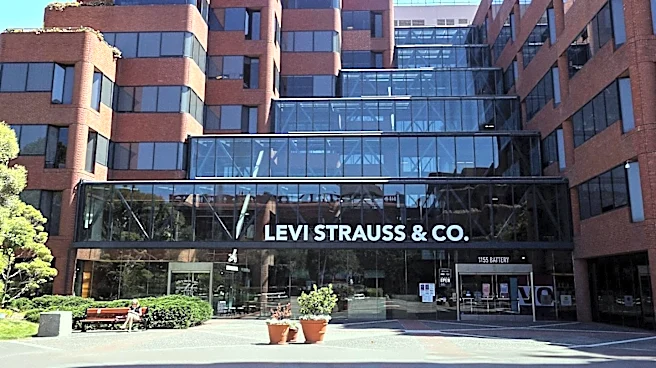
Levi Strauss and Co. and Marks & Spencer (M&S) have jointly launched the Fashion Renewable Collaborative (FRC), an industry-wide program aimed at increasing the adoption of renewable electricity across global fashion supply chains. Supported by Schneider
Electric’s SE Advisory Services, the FRC will provide education, market guidance, and support to suppliers for assessing and procuring renewable electricity. This initiative addresses barriers such as limited resources and fragmented engagement that have hindered suppliers from transitioning to renewable energy. Textile processing, including fabric mills and dye houses, is identified as a major contributor to the apparel industry's emissions, accounting for over half of the total. The FRC seeks to streamline efforts by offering a common approach to renewable electricity engagement, thereby reducing duplication for suppliers working with multiple brands. Existing supplier engagement programs by Levi Strauss and M&S have already registered nearly 500 supplier facilities, demonstrating a foundation for this collaborative effort.
Why It's Important?
This collaboration is significant for the U.S. fashion industry and its global supply chain as it directly tackles a major source of carbon emissions. The apparel industry's emissions are heavily concentrated in textile processing, and a shift to renewable electricity is projected to account for approximately two-thirds of the sector's identified emissions-reduction potential. By providing a unified platform, the FRC can accelerate the adoption of renewable energy among suppliers, which will help U.S. fashion brands meet their individual decarbonization targets and contribute to broader climate goals. The initiative also aims to reduce the burden on suppliers by offering a consistent approach, potentially leading to more efficient and cost-effective transitions to renewable energy. This could set a precedent for other industries facing similar supply chain sustainability challenges, influencing U.S. businesses to adopt more collaborative and standardized approaches to environmental responsibility.
What's Next?
The Fashion Renewable Collaborative is actively inviting more fashion brands to participate as sponsors and members. This expansion aims to broaden access to renewable electricity support and further assist brands in achieving their individual supply chain decarbonization targets. SE Advisory Services, the global implementation partner, will continue to support the FRC using its Resource Advisor+ for Supply Chain product for supplier onboarding, readiness assessments, engagement tracking, and progress monitoring. The program will offer support for various renewable electricity options, including power purchase agreements (PPAs), energy attribute certificates (EACs), and on-site and distributed renewable generation. The success of this initiative could lead to increased pressure on other U.S. and international fashion brands to join similar collaborative efforts, potentially accelerating the industry-wide shift towards sustainable practices and renewable energy sources.
Beyond the Headlines
The FRC highlights a growing trend of industry-wide collaboration to address complex sustainability challenges that individual companies struggle to solve alone. This initiative underscores the ethical and environmental responsibility of major fashion brands to mitigate their carbon footprint, particularly within their extensive global supply chains. The focus on reducing supplier burden through a common approach reflects a recognition that systemic change requires collective action and support for all stakeholders. This model could influence future regulatory discussions in the U.S. regarding supply chain transparency and environmental impact, potentially leading to policies that encourage or mandate similar collaborative sustainability efforts across various sectors. The long-term shift towards renewable electricity in manufacturing could also foster innovation in green technologies and energy solutions within the U.S. and globally, creating new economic opportunities and driving a more sustainable industrial landscape.