




What's Happening?
Morgan Stanley recently hosted its Asia Pacific Summit in Singapore, where Chief China Equity Strategist Laura Wang, Head of Greater China Auto and Mobility Research Tim Hsiao, and Head of China Industrial Research Sheng Zhong discussed China's advancements
in 'physical AI.' This concept involves integrating AI into real-world applications, particularly in the automotive and robotics sectors. The discussion highlighted China's unique advantages in manufacturing and supply chain capabilities, which are crucial for developing components like batteries, motors, and actuators needed for advanced AI systems. China's vast application scenarios also provide extensive data collection opportunities, fostering a 'flywheel' effect for robot development. While China excels in hardware and application, a recognized gap exists in advanced chips and frontier AI models, which are essential for foundational embodied AI.
Why It's Important?
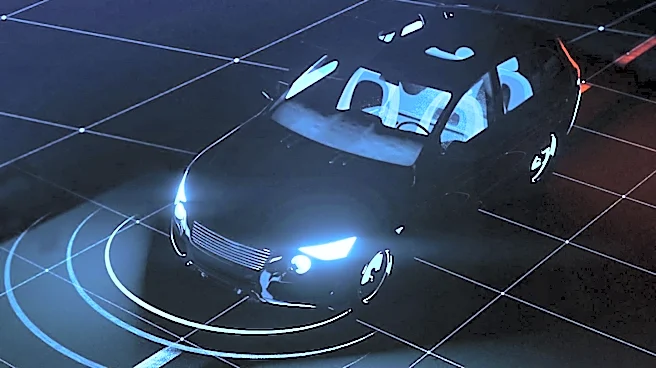
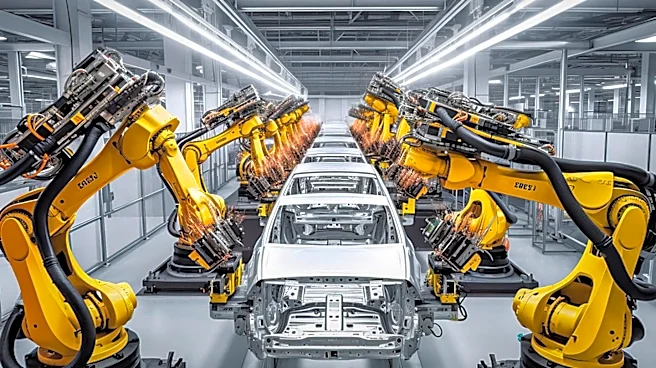
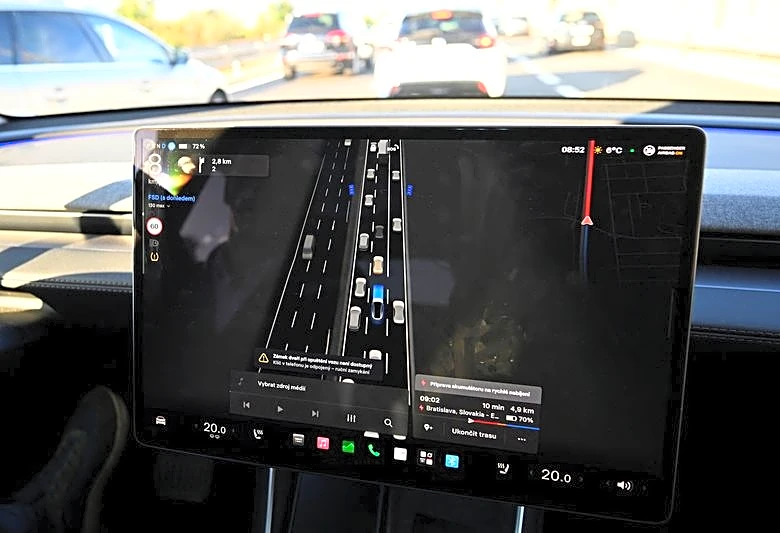
The integration of physical AI is poised to significantly transform industries, particularly in the U.S. and globally. For the automotive sector, the shift from traditional design and energy efficiency to functionality, technology features, data, autonomous driving, and human-machine interfaces will redefine competition. The ability to collect real-world data from millions of connected vehicles daily, combined with advanced manufacturing, creates substantial commercial opportunities. This shift could lead to cars earning more and factories costing less, impacting global supply chains and manufacturing strategies. In robotics, the development of humanoids capable of operating in unstructured environments, such as homes and service areas, could revolutionize productivity beyond the structured settings where industrial robots currently operate. U.S. companies in these sectors will need to adapt to these technological advancements and competitive shifts.
What's Next?
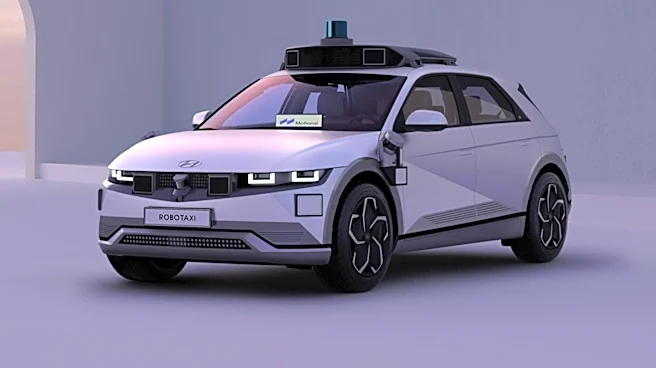
The discussion anticipates that intelligent vehicles, especially smart EVs, will be a primary platform for physical AI adoption, with penetration expected to reach 50% by 2030 in China. The growth of robotaxis, projected to reach 46,000 in China by 2028 and one million by 2035, signifies a major shift in transportation. In the short term (12-18 months), hardware component suppliers for the auto industry are expected to be early beneficiaries as carmakers upgrade vehicle specifications. In the mid- to long-term, recurring revenue sources from services, license fees, and robotaxi operations will become significant. For humanoids, upstream component suppliers will benefit first due to consolidated supply chains, followed by application services as robots are integrated into the real economy. Ultimately, robot companies that own the entire ecosystem, from development to application services, are expected to achieve high profitability.
Beyond the Headlines
The 'physical AI revolution' discussed by Morgan Stanley points to a deeper trend of AI moving beyond digital interfaces into tangible, real-world applications. This development raises ethical considerations regarding the increasing autonomy of machines and their integration into daily life. Legally, questions around liability for autonomous systems and data privacy will become more prominent. Culturally, the widespread adoption of humanoids and smart vehicles could alter human-machine interaction, labor markets, and societal norms. The emphasis on data collection from diverse real-world scenarios highlights the growing importance of data as a critical asset, potentially leading to new regulatory frameworks for data ownership and usage. The competitive landscape will likely see a race for technological supremacy, with implications for international trade and intellectual property.