






What's Happening?
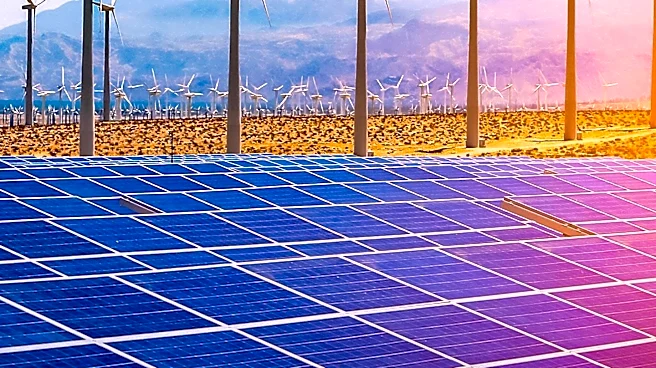
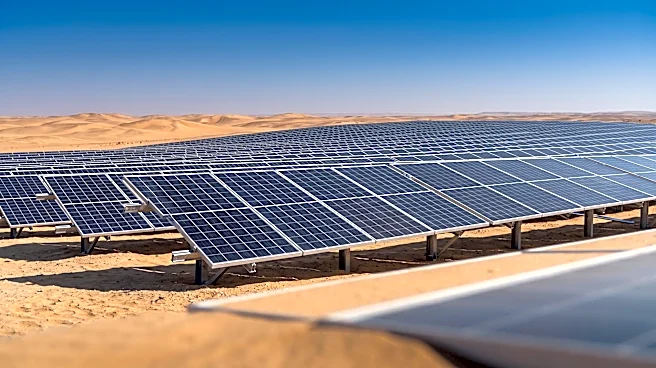
The International Finance Corporation (IFC), a member of the World Bank Group, has announced two significant investments totaling $301 million with global energy company EDP. These investments are aimed at bolstering clean energy generation in Mexico
and upgrading electricity grids in Brazil. The IFC, recognized as the largest global development institution focused on the private sector in emerging markets, is actively supporting sustainable development initiatives. In addition to these Latin American projects, the IFC has also approved a guarantee of up to CFAF 2.87 billion to back a bank loan from Banque Internationale du Cameroun pour l’Épargne et le Crédit (BICEC) to microfinance institution ACEP Cameroun. Furthermore, the IFC is collaborating with DBS and Maybank to develop a financing structure for a cross-border renewable energy project connecting Johor, Malaysia, and Singapore. These actions underscore IFC's commitment to fostering private sector growth and sustainable infrastructure globally.
Why It's Important?
These investments by the IFC are crucial for advancing sustainable development and economic growth in emerging markets. The $301 million allocation to EDP for projects in Mexico and Brazil will directly contribute to increasing clean energy capacity and improving energy infrastructure, which are vital for economic stability and environmental sustainability. Enhanced electricity grids in Brazil will lead to more reliable power supply, supporting industrial growth and improving quality of life for citizens. Similarly, increased clean energy generation in Mexico will help reduce carbon emissions and promote a greener economy. The IFC's involvement in these projects also mobilizes private capital, demonstrating the viability of sustainable investments and encouraging further private sector participation in critical infrastructure development. The guarantee for ACEP Cameroun will boost financial inclusion by supporting microfinance, empowering small businesses and individuals. The collaboration on the Malaysia-Singapore renewable energy project highlights the IFC's role in facilitating cross-border energy solutions and regional integration, setting precedents for future international sustainable energy initiatives.
What's Next?
Following these announcements, the IFC will likely continue to monitor the progress of the EDP projects in Mexico and Brazil, ensuring the effective deployment of funds and the successful implementation of clean energy and grid upgrade initiatives. The collaboration with DBS and Maybank for the Johor-Singapore renewable energy project will move into the detailed mapping of financing structures, aiming to establish a robust framework for cross-border energy trade. This could serve as a model for future regional energy integration efforts within ASEAN and beyond. For ACEP Cameroun, the IFC-backed loan will enable expanded microfinance operations, with subsequent efforts focused on assessing the impact of increased access to finance for local communities and small enterprises. The IFC is expected to continue seeking out and investing in private sector projects that align with its mission of sustainable development, particularly in renewable energy, infrastructure, and financial inclusion across emerging markets. Future announcements may include new partnerships and investments as these projects progress and new opportunities arise.
Beyond the Headlines
The IFC's strategic investments reflect a broader global trend towards sustainable finance and the increasing recognition of the private sector's role in achieving development goals. By partnering with entities like EDP, DBS, and Maybank, the IFC is not only providing capital but also leveraging private sector expertise and innovation to address complex challenges such as climate change and energy access. This approach helps de-risk investments in emerging markets, making them more attractive to private investors and fostering a virtuous cycle of sustainable development. The emphasis on clean energy and grid modernization also signals a long-term shift away from fossil fuels, aligning with international climate commitments. Furthermore, the IFC's support for microfinance institutions like ACEP Cameroun underscores the importance of inclusive growth, ensuring that economic development benefits a wider segment of the population. These initiatives contribute to building resilient economies that are better equipped to handle future environmental and economic shocks, promoting long-term stability and prosperity in developing nations.