
What's Happening?
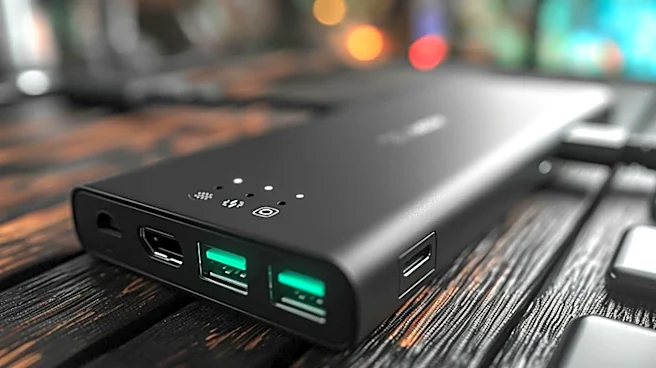
CNET's lab testing of 19 portable power stations has identified the most efficient models for keeping refrigerators running during power outages. The tests revealed that users often overestimate the wattage needed, with 80% of actual emergency power needs
falling under 200W for essential items like fridges, Wi-Fi routers, and phone charging. The Fossibot F3600 Pro emerged as the top performer, powering a full-size refrigerator for 44.65 hours (1.86 days). Other high-performing models include the Oupes Mega 5 and the Jackery Home Power 3600 Plus. The testing emphasized that a power station's inverter efficiency and self-consumption (idle draw) are more critical than just battery size, especially for intermittent loads like refrigerators. For instance, the Bluetti AC200L, with a smaller capacity, outperformed several larger units due to its superior efficiency.
Why It's Important?
This research is crucial for U.S. consumers, particularly those in regions prone to power outages due to extreme weather events or grid failures. The findings provide practical guidance for making informed purchasing decisions, potentially saving consumers money by avoiding unnecessarily large and expensive units. By highlighting the importance of efficiency and low idle consumption, CNET's tests empower individuals to select portable power stations that genuinely meet their emergency needs, ensuring food preservation and access to essential services during blackouts. This information can also influence manufacturers to focus on optimizing efficiency and reducing idle draw in their products, rather than solely engaging in a 'wattage arms race.' The emphasis on UPS functionality and surge power capacity also educates consumers on critical features for protecting sensitive appliances like modern refrigerators.
What's Next?
Consumers are likely to increasingly prioritize efficiency and specific features like low idle consumption and UPS functionality when purchasing portable power stations. Manufacturers may respond by developing more specialized units, such as the slim 'FridgePower' models designed to sit discreetly with refrigerators. The market for portable power solutions is expected to grow, driven by increasing concerns about grid reliability and the desire for household preparedness. Further innovation in battery technology and inverter efficiency will likely continue, aiming to provide longer runtimes and more stable power delivery for a wider range of appliances. The insights from these tests could also lead to clearer labeling and marketing from manufacturers, helping consumers better understand the real-world performance of these devices.
Beyond the Headlines
The growing demand for portable power stations reflects a broader societal trend towards self-reliance and resilience in the face of increasing disruptions, whether from natural disasters or infrastructure vulnerabilities. This shift highlights a changing relationship between individuals and centralized utility grids, with more households seeking independent power solutions. The focus on powering essential appliances like refrigerators during outages also underscores the critical role these devices play in maintaining quality of life and preventing economic losses (e.g., spoiled food). Furthermore, the development of specialized, space-saving designs like the 'FridgePower' indicates an evolving consumer expectation for integrated and aesthetically pleasing emergency solutions, moving beyond bulky, utilitarian devices. This trend could eventually influence home design and appliance integration, making emergency power a more seamless and standard feature of modern living.