





What's Happening?
Ganni, a fashion brand established in 2000, focuses on creating versatile and stylish clothing for women. The brand aims to express a modern vision of femininity through its designs, incorporating creativity, optimism, and a commitment to responsibility.
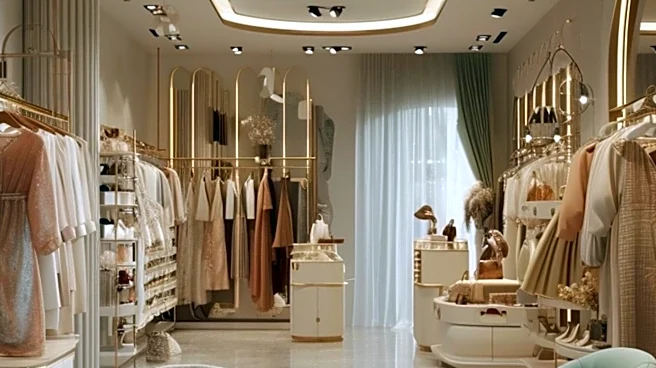
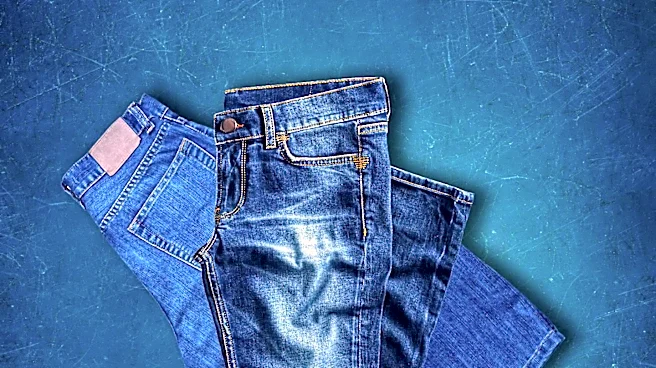
Ditte Reffstrup has served as the Creative Director since 2009, guiding the brand's aesthetic. Ganni's product offerings include a variety of items such as printed tops, jeans, and dresses. A notable aspect of their production is the use of sustainable materials, with recycled cotton being one example. The brand has a physical retail presence, including a multi-floor operation at Le Bon Marché in Paris, which also offers guided tours.
Why It's Important?
Ganni's approach to fashion, blending modern aesthetics with a strong emphasis on sustainability, reflects a growing trend in the U.S. retail market. Consumers are increasingly seeking brands that align with their values, particularly concerning environmental responsibility and ethical production. By utilizing sustainable materials like recycled cotton, Ganni appeals to a demographic that prioritizes eco-conscious choices. This focus can influence other fashion brands in the U.S. to adopt similar practices, potentially leading to a broader shift towards more sustainable manufacturing processes within the industry. Furthermore, the brand's success in physical retail, such as its presence in a prominent department store, highlights the continued importance of brick-and-mortar experiences even in an increasingly digital retail landscape. This strategy could inform how other international brands approach market entry and expansion in the U.S., balancing online presence with curated physical spaces.
What's Next?
Ganni is likely to continue expanding its product lines and potentially its global retail footprint, including further penetration into the U.S. market. The brand's commitment to sustainability suggests future innovations in material sourcing and production methods, which could set new benchmarks for the fashion industry. We may see Ganni exploring new sustainable fabrics or production techniques to further reduce its environmental impact. Additionally, the brand's emphasis on a distinct modern feminine aesthetic could lead to collaborations with other designers or artists, further solidifying its unique market position. Its retail strategy, combining online sales with distinctive physical store experiences, will likely evolve to meet changing consumer behaviors and preferences, potentially involving more interactive or experiential retail concepts.
Beyond the Headlines
Ganni's success underscores a significant cultural shift in consumer values, where ethical considerations are becoming as important as design and quality. The brand's integration of responsibility into its core identity challenges the traditional fast-fashion model, promoting a more thoughtful approach to consumption. This movement extends beyond mere product choices, influencing broader discussions about corporate accountability and the environmental footprint of industries. Ganni's narrative, led by a female Creative Director, also subtly contributes to the evolving conversation around women's leadership in creative industries and the representation of modern femininity in fashion. The brand's ability to blend commercial success with a strong ethical stance could serve as a blueprint for other businesses aiming to thrive in a market increasingly driven by conscious consumerism.