




What's Happening?
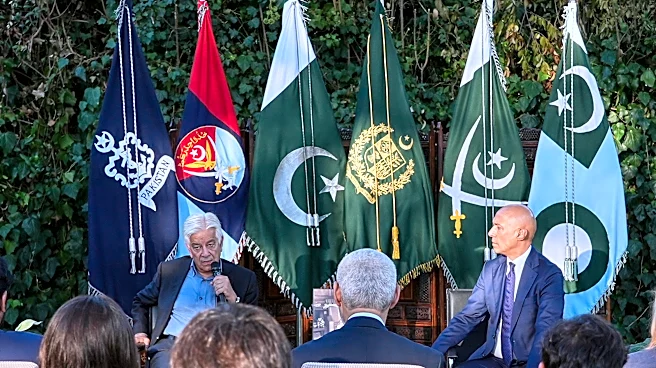
Federal Minister for Board of Investment, Mr. Qaiser Ahmed Sheikh, recently attended a reception in Jeddah, Saudi Arabia, hosted by prominent Pakistani businessmen. During the event, the Minister highlighted Pakistan's comprehensive agenda to attract
foreign investment and improve the ease of doing business. He noted that over 500 regulatory reforms have been implemented to simplify procedures, reduce barriers, and lower compliance burdens for investors. Sheikh emphasized the performance of the Business Facilitation Center (BFC), which offers coordinated, one-window services for registrations, licenses, and approvals. He also outlined a wide array of investment opportunities in sectors such as agriculture, information technology, mining, manufacturing, energy, logistics, tourism, and export-oriented industries. The Minister specifically invited Pakistani entrepreneurs in Saudi Arabia to invest in Pakistan, leveraging their expertise and international networks to foster Saudi-Pakistan business partnerships and joint ventures.
Why It's Important?
This initiative is crucial for Pakistan's economic growth and stability, as it seeks to boost foreign direct investment (FDI) and leverage its diaspora's financial and intellectual capital. By implementing significant regulatory reforms and establishing a Business Facilitation Center, Pakistan aims to create a more attractive and predictable investment environment. This could lead to job creation, technology transfer, and increased export revenues, which are vital for improving the country's balance of payments and overall economic health. The focus on diverse sectors like IT, agriculture, and manufacturing indicates a strategic effort to diversify the economy and reduce reliance on traditional sectors. Engaging the Pakistani diaspora in Saudi Arabia, a significant source of remittances and potential investment, is a smart move to channel their resources and expertise back into the national economy, fostering long-term partnerships and economic development.
What's Next?
Following the outreach efforts, Pakistan will likely continue to promote its investment opportunities through various international forums and engagements with its diaspora. The government will need to ensure the sustained implementation of its regulatory reforms and the effective functioning of the Business Facilitation Center to build investor confidence. Potential next steps include organizing more investment roadshows, developing targeted incentives for specific sectors, and addressing any remaining bureaucratic hurdles that might deter foreign investors. The success of these efforts will depend on the government's ability to maintain political stability, ensure policy consistency, and provide a secure and transparent business environment. The invited Pakistani businessmen and entrepreneurs in Saudi Arabia are expected to explore these opportunities, potentially leading to new investments and joint ventures in the coming months and years.
Beyond the Headlines
Beyond the immediate economic benefits, Pakistan's drive for foreign investment and engagement with its diaspora has broader implications for its international standing and internal development. A successful investment climate can enhance Pakistan's reputation as a viable business destination, potentially attracting investment from other countries as well. The emphasis on technology and digital services also signals a strategic shift towards a more modern, knowledge-based economy, which is essential for long-term competitiveness. Furthermore, encouraging the diaspora to invest can strengthen their ties to their home country, fostering a sense of shared prosperity and national development. However, the success of these initiatives will also depend on addressing underlying challenges such as infrastructure development, energy security, and human capital development to fully capitalize on the investment potential. The government's commitment to a 'simpler, faster and more predictable investment journey' is a critical factor in transforming these aspirations into tangible economic growth.