
What's Happening?
To effectively improve flexibility and mobility, individuals should incorporate a consistent stretching routine targeting major muscle groups. Experts recommend performing stretches three to four times
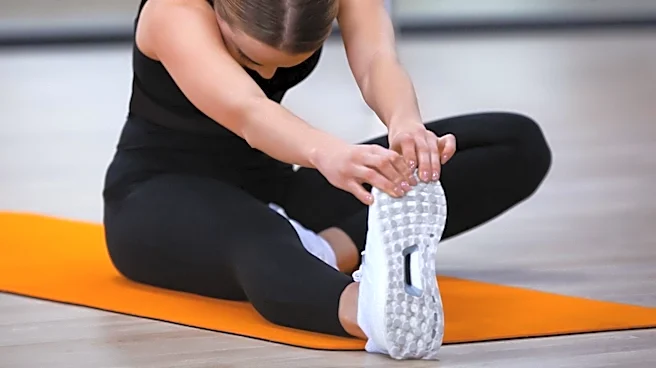
per week, holding each stretch for approximately 30 seconds and repeating two to four times per side. A typical routine might include neck stretches, chest openers, hip flexor stretches, and lower back stretches. For those experiencing desk-stiffened hips, specific stretches like kneeling hip flexor lunges, figure-4 stretches, butterfly stretches, and 90/90 positions are highly beneficial. It is also advised to warm up with two to three minutes of walking or marching before stretching. Additionally, incorporating light exercises such as stair step-ups, sit-ups, planks, and fridge squats can contribute to overall muscle engagement and support the benefits of stretching. If hip pain persists beyond two weeks, consulting a doctor is recommended.
Why It's Important?
Regular stretching and light exercise are crucial for maintaining physical health and preventing common ailments associated with sedentary lifestyles, particularly in the U.S. workforce. Prolonged sitting, common in many office jobs, can lead to stiff hip flexors, weak glutes, and lower back pain, impacting overall mobility and quality of life. By addressing these issues, individuals can reduce discomfort, improve posture, and enhance their ability to perform daily activities. This proactive approach to physical well-being can lead to fewer doctor visits for musculoskeletal issues, potentially lowering healthcare costs and increasing productivity. Furthermore, consistent movement helps lubricate joints, preventing age-related stiffness and promoting long-term functional independence, which is vital for an aging population.
What's Next?
Individuals are encouraged to integrate a short, consistent stretching and strengthening routine into their daily lives. This involves not only dedicated stretching sessions but also incorporating movement breaks throughout the day, such as standing for one to two minutes every 30 to 60 minutes of sitting. Adjusting chair height to keep hips level with or slightly above the knees, varying sitting positions, and walking after lunch are simple yet effective habits to adopt. For those new to exercise or returning after a break, starting with gentle, low-impact movements and gradually increasing intensity is key. If pain persists or worsens, seeking professional medical advice from a clinician or physical therapist is the next step to identify underlying issues and receive tailored guidance.
Beyond the Headlines
The emphasis on daily stretching and movement extends beyond mere physical benefits, touching upon broader societal implications related to public health and workplace wellness. The rise of sedentary work environments has created a silent epidemic of musculoskeletal issues, highlighting the need for greater awareness and preventative measures. Promoting regular physical activity, even in small increments, can foster a culture of well-being, potentially reducing chronic pain and improving mental health. This shift towards integrating movement into daily routines challenges the traditional view of exercise as a separate, time-consuming activity, advocating instead for a more holistic and sustainable approach to health that can be adopted by people of all ages and fitness levels.