




What's Happening?
Viking Therapeutics (VKTX) stock experienced a nearly 3% decline overnight after reporting a wider-than-expected third-quarter loss. The company posted a loss of $1.55 per share, exceeding analysts' expectations of a $1.06 loss, with its net loss more
than doubling to $183.2 million from $90.8 million a year prior. Research and development expenses significantly increased to $166.8 million from $90 million due to rising trial and manufacturing costs. Adding to investor frustration, CEO Brian Lian indicated a potential launch timeline for its experimental obesity treatment, VK2735, that is more than two years away. Lian stated that the company has a 'pretty solid commercial team' despite being '2 and a half years out from potential launch,' a comment that sparked backlash among retail investors. Viking is developing both injectable and tablet versions of VK2735 to compete in the obesity treatment market dominated by Eli Lilly and Novo Nordisk.
Why It's Important?
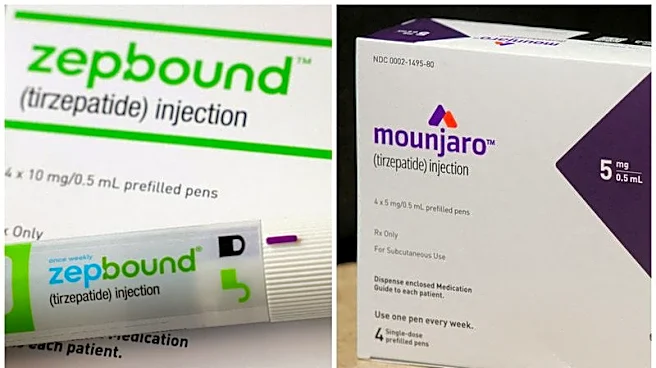
Viking Therapeutics' stock slide and investor frustration highlight the intense competitive pressures and high stakes within the GLP-1 obesity drug market. The extended timeline for VK2735's launch means Viking will enter a market already well-established by pharmaceutical giants like Eli Lilly and Novo Nordisk, who continue to expand their lead. This delay could impact Viking's ability to capture significant market share and achieve profitability, especially given its current pre-revenue status and increasing R&D costs. The negative investor reaction underscores the importance of clear and timely communication regarding product development and commercialization strategies in the biotech sector. Furthermore, the need for Viking to differentiate its product, potentially through less frequent dosing or oral formulations, becomes even more critical as it aims to compete against entrenched players.
What's Next?
Viking Therapeutics is currently conducting four Phase 3 trials for VK2735, with injectable Vanquish trials fully enrolled and extension studies expected to begin in early 2027. The oral Sunrise program also recently commenced. The company aims to position VK2735 as the first oral formulation of a dual GLP-1/GIP agonist to reach the market, if successful. Viking also plans to start a 28-day multiple-dose study of its amylin drug VK3019 in the first quarter of 2027. The company ended September with $960 million in cash and investments, with projected average quarterly cash usage around $100 million. Investor sentiment will heavily depend on upcoming trial results and any updates to the commercialization timeline. The company's ability to secure a strong market position will hinge on demonstrating superior efficacy, convenience, and competitive pricing compared to existing GLP-1 drugs.
Beyond the Headlines
The challenges faced by Viking Therapeutics reflect the broader difficulties smaller biotech companies encounter when attempting to compete with established pharmaceutical companies in lucrative markets. The capital-intensive nature of drug development, coupled with the long timelines for clinical trials and regulatory approval, creates significant financial and operational hurdles. The 'retail backlash' against CEO Brian Lian's comments also highlights the growing influence of individual investors and social media sentiment on stock performance, particularly in sectors with high growth potential but also high risk. This situation underscores the delicate balance between transparency, investor expectations, and strategic planning in the biotech industry. The long-term success of companies like Viking will depend not only on scientific innovation but also on effective capital management, strategic partnerships, and adept market positioning.