





What's Happening?
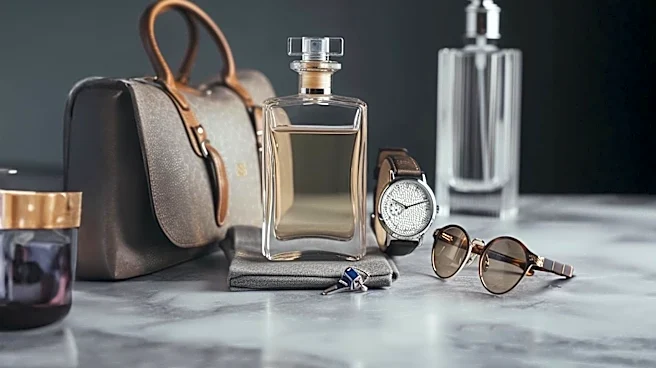
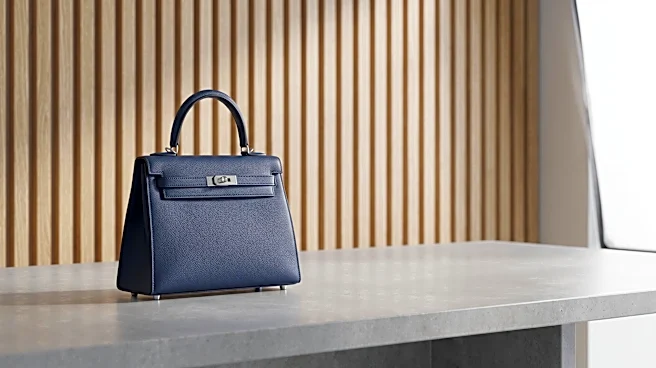
Wealthy Gen Z individuals are increasingly investing in luxury items such as jewelry, handbags, and art, outspending older generations like Baby Boomers and Millennials in several categories. However, a significant trend among these young collectors is
their preference for privacy, with many choosing to keep their collections off social media platforms like Instagram and limiting in-person viewing to close family and friends. A survey conducted by Arts Economics in collaboration with UBS, which included 3,100 high-net-worth individuals across 10 markets, revealed that 39% of Gen Z collectors restricted in-person viewing to their household or close circle, nearly double the rate of any other generation. Online, 42% shared content within restricted or invitation-only groups, while only 25% posted publicly. This behavior aligns with the concept of 'quiet luxury,' where status is signaled to a select few rather than the broader public. Gen Z women, in particular, showed a strong inclination towards privacy, with 37% keeping collections viewable only within their households, compared to 16% of Gen Z men.
Why It's Important?
This shift in luxury consumption by wealthy Gen Z has significant implications for the luxury market and broader societal perceptions of wealth and status. The preference for 'quiet luxury' challenges traditional marketing strategies that often rely on public display and influencer culture. Luxury brands may need to adapt by focusing more on intrinsic value, craftsmanship, and exclusivity rather than overt branding and widespread visibility. This trend also suggests a redefinition of status, moving away from ostentatious displays towards a more discreet appreciation of quality and rarity. For the U.S. economy, this could influence investment patterns in luxury goods, potentially boosting sectors that cater to private collecting and bespoke experiences. The emphasis on privacy might also lead to new business models in the luxury sector, focusing on curated, invitation-only events and personalized services, rather than mass-market advertising. Furthermore, the substantial spending power of this generation, particularly in categories like jewelry and handbags, indicates a robust future for these luxury segments, albeit with a different consumer engagement model.
What's Next?
Luxury brands and retailers will likely continue to explore strategies to engage with this privacy-conscious demographic. This could involve developing more exclusive, members-only platforms or private viewing experiences that cater to the desire for discretion. The focus on 'rarity, provenance, originality, and discovery' as key drivers for Gen Z collectors, as noted by Clare McAndrew of Arts Economics, suggests that brands will need to emphasize the unique stories and intrinsic value of their products. We may see an increase in bespoke services, limited-edition releases, and collaborations that offer a sense of exclusivity without requiring public display. Additionally, the art and collectibles market may experience further growth in less publicly visible categories, such as private sales and specialized auctions. The trend also points towards a potential decline in the effectiveness of social media as a primary marketing tool for ultra-luxury items among this demographic, prompting a re-evaluation of digital engagement strategies.
Beyond the Headlines
The rise of 'quiet luxury' among wealthy Gen Z reflects deeper cultural and psychological shifts. This generation, having grown up in an era of pervasive social media and public scrutiny, may be seeking to reclaim a sense of personal space and authenticity. The desire for privacy in luxury consumption could be a reaction against the performative aspects of online life, where every purchase is often expected to be a public statement. This trend also highlights a potential generational divide in how wealth is perceived and expressed, with younger affluent individuals valuing intrinsic quality and personal enjoyment over external validation. Ethically, this shift could encourage more sustainable consumption practices, as the focus on foundational investment pieces and enduring sophistication inherently promotes longevity and reduces the impact of fast-fashion trends. Legally, the increased emphasis on privacy in transactions and collections might necessitate enhanced data protection measures and discreet client management protocols within the luxury industry.