









What's Happening?
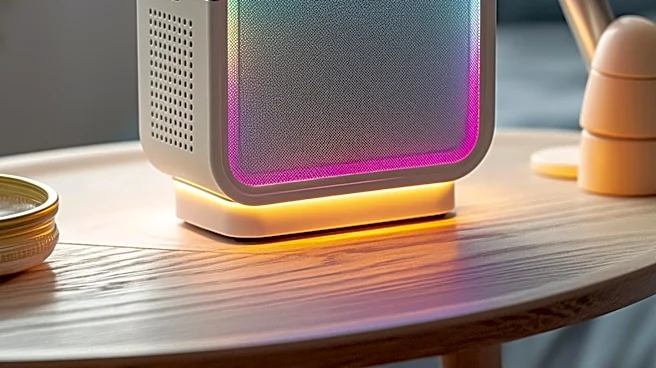
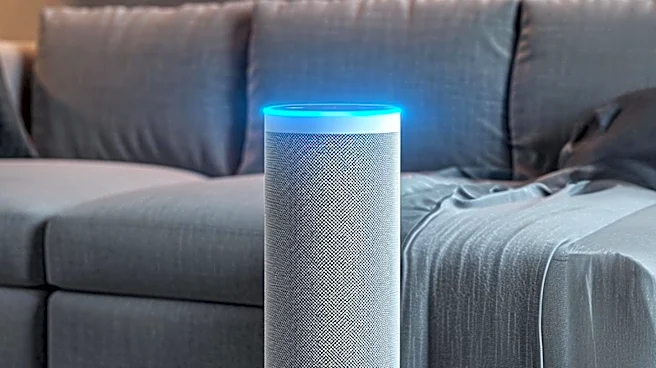
OpenAI is developing a movable, screenless smart speaker designed to serve as a humanlike AI companion in the home. The device, which is still under development, aims to control smart-home appliances, play media, and respond to user queries using OpenAI's
ChatGPT capabilities. The speaker is intended to connect with users on a personal level, drawing on personal information to anticipate needs and provide proactive assistance. OpenAI's entry into the hardware market positions it against major tech companies like Apple, Amazon, and Google. However, the company faces legal challenges, as Apple has sued OpenAI for allegedly stealing trade secrets.
Why It's Important?
OpenAI's foray into consumer hardware represents a significant expansion of its business model, potentially reshaping the smart speaker market. By leveraging its AI expertise, OpenAI aims to offer a more personalized and interactive user experience, setting its product apart from existing smart speakers. The legal battle with Apple highlights the competitive tensions in the tech industry, as companies vie for dominance in the AI and smart home sectors. The outcome of this legal dispute could have implications for intellectual property rights and innovation in the tech industry.
What's Next?
OpenAI plans to unveil the smart speaker later this year, with a release targeted for 2027. The company is also exploring other AI-driven hardware products, including mobile devices and wearables. Meanwhile, Apple is developing its own AI-focused home devices, intensifying the competition between the two companies. The legal proceedings could impact OpenAI's ability to bring its products to market, depending on the outcome of Apple's lawsuit. As the tech giants continue to innovate, consumers can expect more advanced and integrated AI solutions in their homes.