






What's Happening?
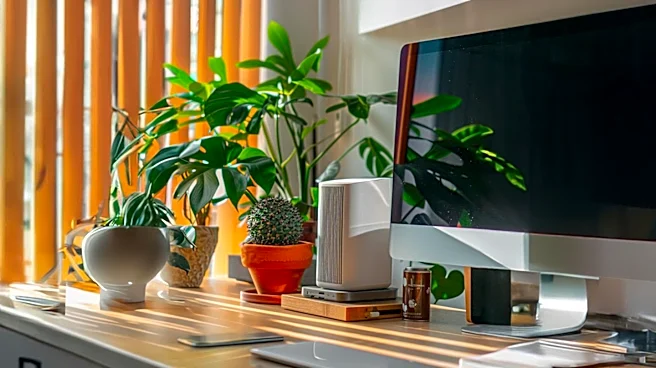
Feng Shui, an ancient Chinese practice, provides a framework for arranging workspaces to enhance productivity and well-being. Key principles include positioning a desk in the 'command position,' where the occupant can see the door without being directly
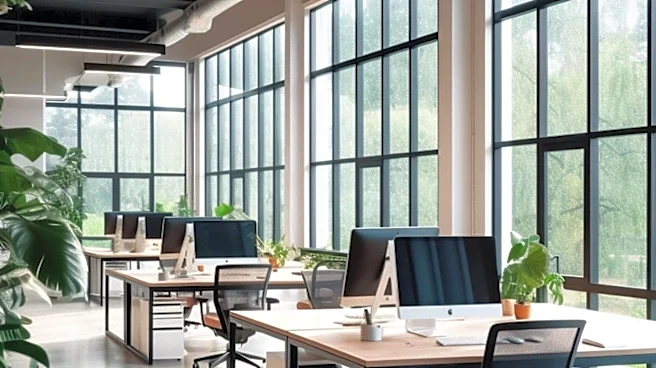
in line with it, and ensuring a solid wall behind the chair for support. Natural light is emphasized, with desks ideally placed near a window to the side rather than directly behind a monitor. Clutter removal is crucial for promoting clear energy flow, and a balanced color palette can contribute to a calm yet engaging environment. The practice also stresses the importance of separating work from rest, especially in multi-functional spaces, by establishing clear physical and mental boundaries at the end of the workday. These principles aim to create intentional spaces that support sustained focus and reduce visual distractions.
Why It's Important?
The application of Feng Shui principles in U.S. workspaces, particularly home offices, can significantly impact individual productivity and mental well-being. In an era where remote work is prevalent, creating a harmonious and supportive environment is critical for maintaining focus and reducing stress. By optimizing desk placement, lighting, and organization, individuals can potentially experience improved concentration and a clearer mind, leading to enhanced work performance. The emphasis on separating work from personal life is particularly relevant for those working from home, helping to prevent burnout and maintain a healthy work-life balance. Businesses and individuals adopting these practices may see benefits in employee satisfaction, reduced stress-related health issues, and overall operational efficiency, contributing to a more positive and productive work culture.
What's Next?
As awareness of well-being in the workplace grows, the adoption of Feng Shui principles may become more widespread in U.S. office design and home office setups. Individuals and companies might increasingly seek guidance from Feng Shui practitioners or integrate these concepts into their interior design strategies. This could lead to a greater demand for furniture and decor that aligns with Feng Shui recommendations, such as ergonomic desks that facilitate the command position, natural lighting solutions, and storage options that minimize clutter. Educational workshops and resources on applying Feng Shui to modern work environments are also likely to gain popularity, empowering more people to optimize their spaces for better productivity and harmony. The ongoing evolution of work models, particularly hybrid and remote work, will continue to drive interest in creating effective and supportive personal and professional spaces.
Beyond the Headlines
Beyond immediate productivity gains, the integration of Feng Shui into U.S. workspaces touches upon deeper cultural and psychological dimensions. It encourages a mindful approach to one's environment, fostering a sense of intentionality and control over personal space. This can have profound psychological benefits, as a well-ordered and aesthetically pleasing environment can reduce anxiety and promote a sense of calm. Ethically, it promotes a holistic view of well-being, recognizing the interconnectedness of physical space, mental state, and overall life quality. The practice also subtly challenges the conventional, often purely functional, approach to office design by introducing elements of ancient wisdom and energy flow. This shift could lead to a broader re-evaluation of how spaces are designed and utilized, moving towards environments that not only support tasks but also nurture the human spirit, potentially influencing architectural and interior design trends in the long term.