






What's Happening?
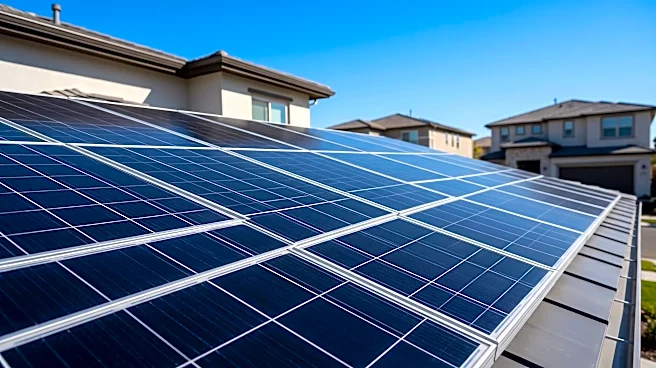
NV Energy is implementing a new 'Daily Demand' billing structure in Las Vegas, set to begin on January 1, 2027. While NV Energy officials state that many customers will see a decrease or no change in their bills, some solar customers have received notices
projecting bill increases. For example, homeowner Lawrence West, who invested $40,000 in 55 solar panels, received an email estimate from NV Energy suggesting he could pay an additional $183 per year, with his own estimates indicating potentially higher costs. NV Energy spokesperson Justin Hopkins explained that the Daily Demand structure considers not just the total electricity used, but also the amount used simultaneously. This means activities like charging an electric vehicle (EV) while running air conditioning and other large appliances can lead to higher daily demand. The company asserts that this new structure aims to improve fairness in rate design by addressing cost shifts between customer groups, including rooftop solar and non-rooftop solar customers, and to better align electric rates with the costs of providing reliable service to all. Solar customers still rely on the grid during cloudy periods, at night, or when their power usage exceeds their generation.
Why It's Important?
The introduction of NV Energy's Daily Demand billing structure has significant implications for Las Vegas residents, particularly those who have invested in rooftop solar. For solar customers, the potential for increased bills despite their efforts to generate their own power could undermine the financial incentives for renewable energy adoption. This shift in billing methodology highlights a broader challenge in integrating distributed renewable energy sources into existing grid infrastructure and ensuring equitable cost distribution among all ratepayers. The argument from NV Energy about addressing 'cost shifts' between solar and non-solar customers suggests a re-evaluation of how the costs of grid maintenance and reliability are allocated. This could set a precedent for other utilities in the U.S. as they navigate the transition to a more decentralized energy landscape. For the wider community, understanding and adapting to the new billing structure, which emphasizes managing simultaneous electricity use, will be crucial for controlling energy costs. The impact on EV owners, who represent a growing segment of the population, is also notable, as charging habits will directly influence their electricity expenses.
What's Next?
As the January 1, 2027, implementation date approaches, Las Vegas residents, especially solar customers, will need to actively engage with NV Energy's resources to understand and adapt to the new Daily Demand billing structure. NV Energy has launched a web tool and offers 'Power Shift' options to help customers manage their energy use and potentially reduce costs. This includes advice on spreading out major electrical loads, charging EVs during off-peak hours, and maximizing solar production during daylight. The company also promotes its PowerShift programs, which offer energy-saving tools and incentives like smart thermostat participation. Homeowners and customers with certain incomes can also apply to the Expanded Solar Access Program (ESAP) to access solar energy at a guaranteed lower rate without installing panels. The coming months will likely see increased efforts by NV Energy to educate customers and by customers to adjust their energy consumption habits to mitigate potential bill increases. The long-term success of this billing structure will depend on its ability to achieve its stated goals of fairness and cost alignment while maintaining customer satisfaction and supporting renewable energy adoption.
Beyond the Headlines
The shift to a Daily Demand billing structure by NV Energy reflects a deeper evolution in how utilities are managing the grid in an era of increasing distributed generation and electrification (e.g., EVs). This move highlights the complex economic and technical challenges of maintaining grid stability and reliability when a significant portion of electricity is generated by individual homes. The concept of 'cost shifts' between customer groups raises ethical questions about fairness and the social contract between utilities and their ratepayers. It also underscores the need for transparent communication and education from utilities to help consumers understand and adapt to new pricing models. In the long term, such billing structures could drive innovation in home energy management systems, encouraging consumers to adopt smart appliances and energy storage solutions to optimize their electricity use. This could lead to a more resilient and efficient grid, but also places a greater burden on individual consumers to actively manage their energy consumption, potentially exacerbating inequalities if access to smart technologies and information is uneven.