







What's Happening?
The global market for compression wear and shapewear is experiencing significant growth, fueled by increasing health and fitness consciousness, the popularity of athleisure, and a rising demand for non-invasive body contouring solutions. This market caters
to a diverse consumer base, including athletes seeking performance recovery, postpartum women requiring abdominal support, and individuals desiring a smoother silhouette. Technological advancements in fabric innovation, such as moisture-wicking and breathable materials, have expanded the appeal of these garments across various age groups and genders. While the global market is largely driven by consumer retail segments like fashion and postpartum recovery, the business-to-business (B2B) sector is primarily propelled by medical, sports medicine, and industrial safety industries. These B2B applications demand garments with precise, graduated compression levels, often exceeding those found in retail shapewear, necessitating ISO-certified suppliers specializing in medical-grade textiles. The adoption rate in these professional sectors is slower due to extensive clinical validations and regulatory approvals.
Why It's Important?
The distinction between the consumer and B2B compression wear markets highlights critical differences in demand and technical specifications within the U.S. industry. For consumers, the market's growth signifies a broader societal shift towards health, wellness, and aesthetic preferences, impacting retail trends and product development in the apparel sector. Companies like Nike, Spanx, and Under Armour are key players in this consumer-driven segment, benefiting from athleisure trends and social media influence. However, the B2B market's stringent requirements for medical-grade textiles and precise compression levels underscore the importance of specialized manufacturing and regulatory compliance. This segment, serving medical facilities and post-surgical clinics, is crucial for patient care, lymphedema management, and thrombosis prevention. The slower adoption pace in B2B reflects the high bar for product efficacy and safety, creating a niche for specialized firms over mass-market manufacturers. The emphasis on offline channels for B2B sales, particularly for medical-grade garments, indicates that physical validation and expert fitting remain essential for ensuring product effectiveness and customer satisfaction in critical applications.
What's Next?
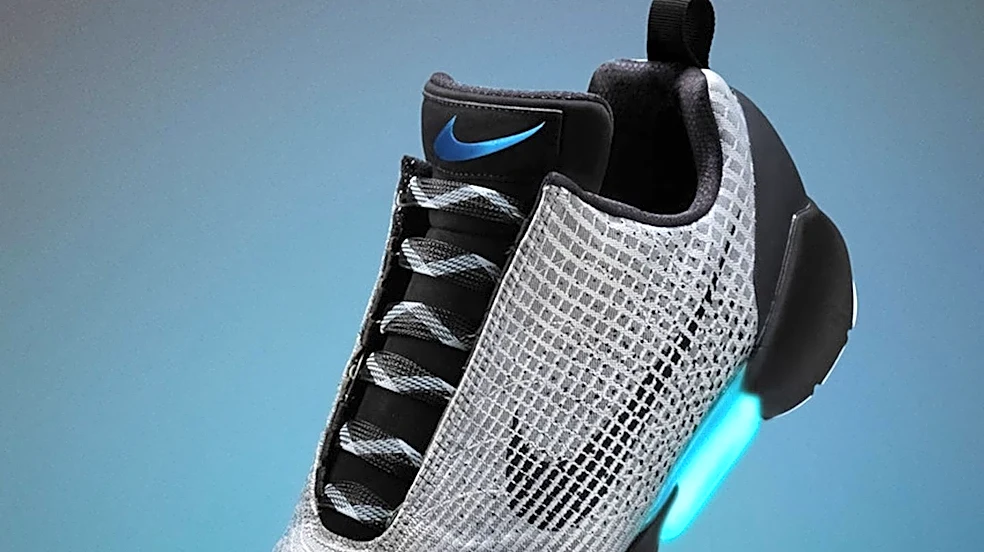
The compression wear market is projected to continue its growth trajectory, with a compound annual growth rate (CAGR) of 11.2% over the forecast period. This sustained interest will likely drive further innovation in fabric technology, focusing on enhanced breathability, moisture-wicking properties, and comfort. For the B2B sector, ongoing research and development will concentrate on improving the effectiveness and tolerability of medical-grade compression garments, including customized wear schedules based on healing markers and long-term tissue remodeling. Collaboration between medical professionals and manufacturers will be crucial to address common issues like chafing and pressure points, leading to new designs with soft liners and improved care regimens. Future trends suggest a move towards greater personalization, potentially incorporating 3D body scanning for custom fits and smart textiles that can adjust compression in real-time based on physiological signals. These advancements aim to reduce discomfort, enhance therapeutic outcomes, and broaden the application of compression wear.
Beyond the Headlines
The evolution of the compression wear market extends beyond mere apparel, touching upon significant ethical and practical considerations. The demand for non-invasive body contouring solutions in the consumer market raises questions about societal beauty standards and the psychological impact of such products. In the medical field, the rigorous requirements for compression garments highlight the critical role of material science and engineering in patient recovery and well-being. The need for ISO-certified suppliers and extensive clinical validations for medical applications underscores the ethical responsibility of manufacturers to ensure product safety and efficacy. The potential integration of smart textiles with real-time monitoring capabilities could revolutionize patient care, offering personalized therapeutic interventions and early detection of complications. However, this also introduces challenges related to data privacy, cybersecurity, and the equitable access to advanced medical technologies. The shift towards personalized and adaptive compression wear signifies a broader trend in healthcare towards individualized treatment plans, leveraging technology to optimize patient outcomes and comfort.